
Vandaag of morgen in huis

Kwaliteit gegarandeerd

Welkomstaanbiedingen ontgrendelen: GRATIS bezorging | Tot 80% korting | Gratis 30 dagen JoyPlus-proefperiode
Download de app
Korean instant noodles are handy for a quick meal, a late-night snack, or keeping your cupboards stocked. However, Korean ramen, spicy noodles and instant ramen vary greatly in flavour, preparation method, portion size and allergens. A striking packet or a promise of an “authentic” taste doesn’t always tell you enough.
When buying, watch out for three common pitfalls:
First, look at the type of dish. Nongshim Shin Ramyun is a noodle soup where the seasoning powder goes into the boiling water along with the noodles. With Samyang Buldak, you usually cook the noodles, drain off most of the water, and then mix them with sauce and powder. The flavour is therefore more concentrated.
Chinese instant noodles, such as Chengdu cold noodles or wide A’KUAN noodles, are often prepared without a classic broth. The sauce may contain chilli oil, vinegar, Sichuan pepper or sesame. This gives a different profile to Korean ramen: less soup, but often a robust, spicy coating.
A single serving for many products is around 120 to 140 grams, but always check the label. A box of five is ideal for trying a flavour or keeping a few meals on standby. For student houses, offices or spicy ramen enthusiasts, a larger pack may be more convenient.
Don’t just compare the total price, but also the price per portion. A multipack is only good value if you actually like the flavour and can use it within its shelf life. Store unopened noodles in a cool, dry place away from direct sunlight. Check the best-before information on the packaging.
Instant noodles often contain wheat and soya. Depending on the flavour, they may also contain milk, fish, shellfish, peanuts, nuts, celery, mustard or sesame. Always check the current ingredients list and allergen information on the packaging. Product details on a website can change or differ from a new packet.
As a guide, different products in this range contain roughly 400 to 550 kcal per 100 grams, while the salt content varies significantly by recipe. For example, Nongshim Shin Ramyun lists 5.6 grams of salt per 100 grams in its product details, whereas other variants may be lower or higher. This makes the label more important than just the brand name.
Also look out for terms like “vegetarian” or “halal”. Only rely on these claims when they are clearly stated on the product information or packaging. For the Samyang Buldak Carbonara, the product description states that this variant is suitable for vegetarians, while the ingredients do contain milk and soya. Suitable for vegetarians does not automatically mean vegan.
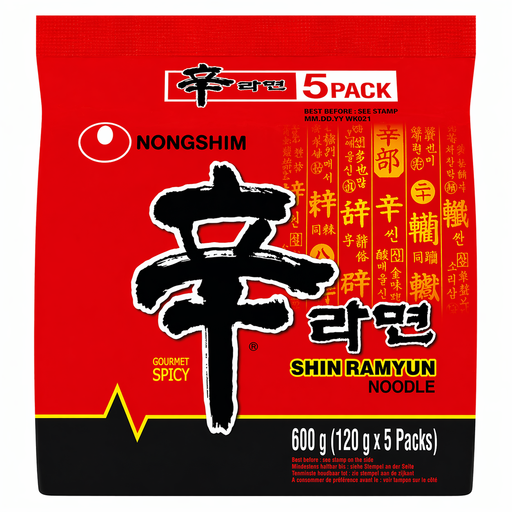
Why this fits the profile: The pack of five portions is manageable for anyone trying Korean instant noodles for the first time, without having to buy a large box straight away.
The product information gives clear preparation instructions using around 500 ml of water and a cooking time of 4 to 5 minutes. This means it’s not a drained sauce noodle that you might accidentally prepare as a soup.
Five individual portions, preparation in around 4 to 5 minutes, and a soup base with chilli, garlic and dried vegetables according to the product information.
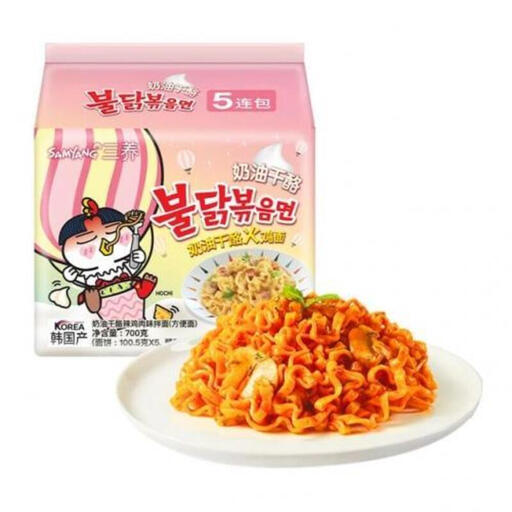
Why this fits the profile: This variant combines a creamy carbonara powder with chilli and is designed for fans of bold, concentrated flavours.
The instructions state to cook the noodles, add the seasoning and stir briefly. If you don’t treat these noodles like a standard noodle soup, you’ll keep the intended sauce texture.
Five portions of 140 grams, halal according to the product description, with milk and soya allergens clearly listed.

Why this fits the profile: A box of 20 individual packets is ideal for offices, student houses and households that eat instant ramen regularly.
The portions are individually wrapped and the preparation time of 4 to 5 minutes is stated. This means you can use the stock gradually without having to store an opened bulk pack.
20 portions, individual packaging, and a preparation method that allows you to add egg, vegetables or meat as you wish.
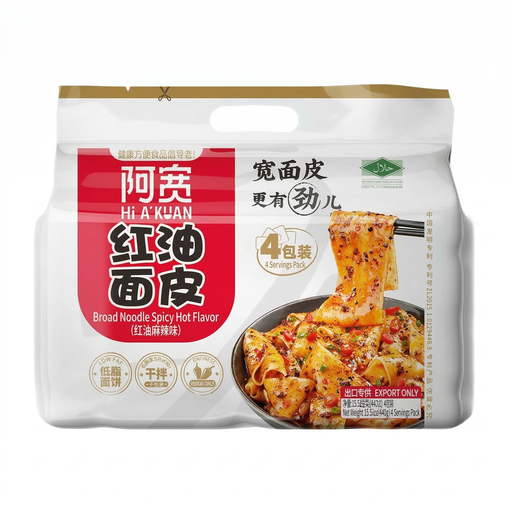
Why this fits the profile: The wide, chewy noodles and red chilli sauce offer an alternative to classic Korean ramen and suit fans of Sichuan-style cooking.
The pack contains 440 grams and the instructions state 5 to 6 minutes of soaking, then draining completely and mixing with the sauce. This makes the difference from noodle soup clear.
Wide wheat noodles, five portions and a preparation method that doesn’t require a hob, according to the product information. Contains wheat and soya.
We’ve put together a full, up-to-date list of products that fully meet these strict selection criteria and comply with current European safety regulations.
This varies by recipe. Shin Ramyun typically has a spicy broth with chilli and garlic. Samyang Buldak is usually more concentrated because the noodles are mixed with sauce. Products with carbonara or cheese flavour may taste creamier, but still contain chilli. Check the ingredients and start with less sauce if you’re unsure.
Unopened instant noodles generally have a long shelf life, but the exact date is on the packaging. Store them in a cool, dry place away from direct sunlight. Once prepared, they should be eaten immediately. Do not use a packet if it is damaged.
That depends on the product. Wheat and soya are common; some variants also contain milk, fish, mustard, sesame, peanuts or shellfish. Always read the current packaging, even if you’ve bought the same brand before without any issues.
