
Vandaag of morgen in huis

Kwaliteit gegarandeerd

Welkomstaanbiedingen ontgrendelen: GRATIS bezorging | Tot 80% korting | Gratis 30 dagen JoyPlus-proefperiode
Download de app
Korean instant noodles are convenient, affordable and available in a wide range of flavours. However, the difference between a bowl of noodle soup and a spicy stir-fried noodle dish is often greater than the packaging suggests. If you only look at a flashy image or the words “extra spicy”, you could end up buying a product that doesn’t match the cooking method, portion size or flavour you’re after.
When comparing Korean ramen, pay particular attention to these points:
Heat levels aren’t always clearly explained
“Hot”, “spicy” and “fire chicken” give you an idea, but they don’t tell you exactly how intense the flavour will feel to you. A creamy carbonara sauce can mellow the heat, whereas a concentrated chilli sauce hits you more directly.
Soup noodles and stir-fry noodles get mixed up
With Shin Ramyun, you add water and seasoning to make a Korean noodle soup. With Buldak, Bibimmen and some Paldo products, you boil the noodles first, drain most of the water, and then stir the sauce through. Using the wrong method significantly affects the texture and taste.
Portion sizes can be misleading
A pack of five or twenty sachets might look like great value, but always check the weight per serving. A 100 g cup noodle is very different from a 137 g or 140 g bag. Also, look at the best-before date on the packaging, especially if you’re buying in bulk.
Check whether you’re buying a soup variety, cup noodle or stir-fry noodle. A cup is handy for the office or a student room: you just add boiling water and wait a few minutes. With a bag of noodles, you’ll usually need a pan.
For example, Paldo Bibimmen says to boil the noodles for three to four minutes, rinse them with cold water, and then mix in the sauce. Nongshim Shin Ramyun, on the other hand, is prepared with around 500 to 550 ml of water and a cooking time of about four to five minutes. Always follow the instructions on the actual packaging.
Choose based on how you want to eat:
Brands may claim that a product has a certain effect or taste experience. Don’t treat this as an objective, guaranteed result. Instead, look at the ingredients list, allergens and cooking method to verify your choice.
Korean noodles often contain wheat and soya. Some varieties also include milk, fish, shellfish, sesame, celery or mustard. So always check the allergen information on the packaging, even if a product has previously been described online as suitable for a particular diet.
Nutritional values vary by recipe. In the product information provided, the salt content, for example, differs from one variety to another. Therefore, compare the table per 100 g as well as the serving size. A multipack is convenient, but it’s not automatically the best value choice if you haven’t tried the flavour yet.
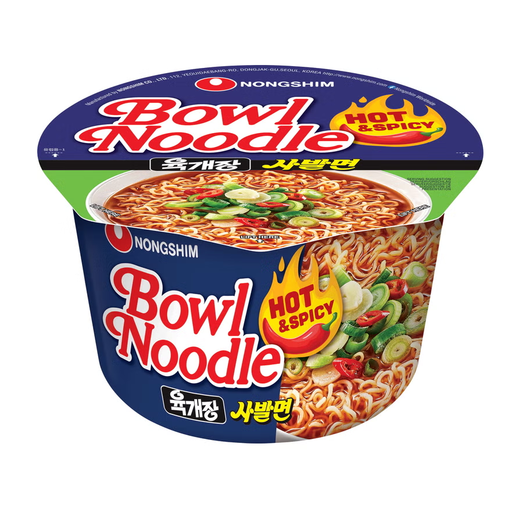
Why this fits the profile: The bowl is ideal if you want to try Korean instant noodles without committing to a large box. Preparation with boiling water takes four to five minutes, according to the product information.
The bowl format makes the cooking method clear and prevents confusion between soup and stir-fry noodles.
100 g per bowl, single-serving packaging and no pan needed.
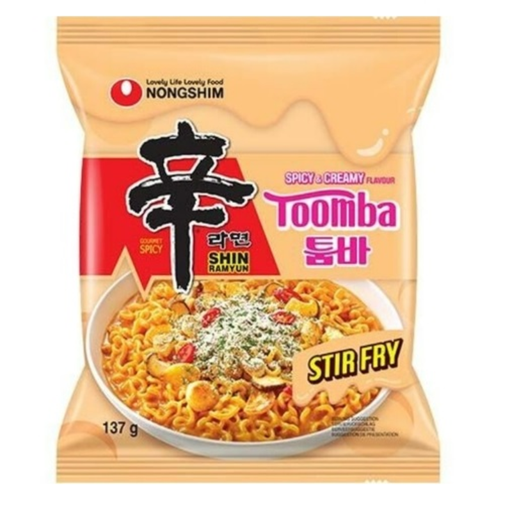
Why this fits the profile: This variety combines the classic Nongshim profile with a richer, spicier Toomba style. The 137 g serving suits enthusiasts looking for more variety than a standard broth.
The weight and product variant are clearly stated, so you’re not relying solely on the flavour name.
137 g per serving and a combination of savoury and spicy flavour notes.

Why this fits the profile: A stock of ten servings suits frequent ramen eaters and households that regularly want to prepare spicy ramen.
It’s a clear multipack with ten individual 130 g bags. Just check beforehand that the heat level and dairy ingredients suit you.
Ten servings, 130 g per bag and a carbonara-style flavour with chilli.
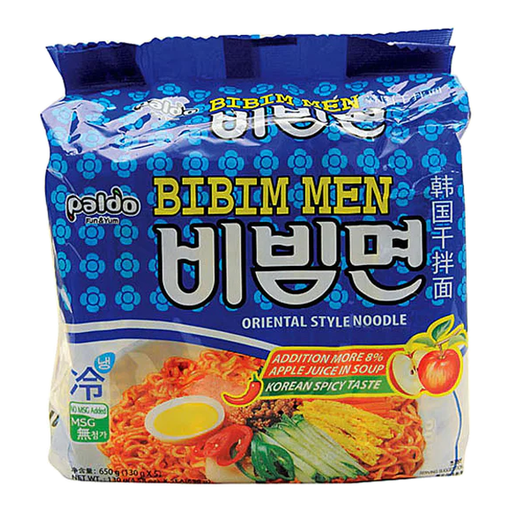
Why this fits the profile: This pack offers five servings of Korean noodles with a sweet and spicy sauce instead of a classic soup base.
The cooking instructions clearly state that you need to drain and rinse. So you won’t be expecting a Korean noodle soup.
Five 130 g bags and a stir-fry preparation with a sweet and spicy flavour.
We’ve put together a full, up-to-date list of products that fully meet these strict selection criteria and comply with current European safety regulations.
It depends on the type. For soup varieties, you usually boil the noodles in water with the seasoning for four to five minutes. For stir-fry varieties, you boil the noodles first, drain the water, and then stir the sauce through. Always check the instructions on the packaging.
That varies by brand and flavour. Shin Ramyun generally has a spicy broth, while Samyang Buldak is known for a concentrated chilli sauce. Carbonara varieties also contain creamy flavour components, but that doesn’t automatically mean they’re mild.
The best-before information is on the packaging. Store unopened bags and cups in a cool, dry place away from direct sunlight. Check the packaging for damage and follow the recommended preparation and storage advice.
