
Vandaag of morgen in huis

Kwaliteit gegarandeerd

Welkomstaanbiedingen ontgrendelen: GRATIS bezorging | Tot 80% korting | Gratis 30 dagen JoyPlus-proefperiode
Download de app
Korean instant noodles are popular with students, spice lovers and households that want something quick on the shelf. Yet choosing a multipack often proves trickier than it looks. A packet with a striking chilli image, for example, doesn’t always tell you how hot the noodles actually are, while a large pack isn’t automatically better value.
When buying Korean ramen, pay close attention to the ingredients, cooking method and portion size. That way, you’ll avoid a disappointing purchase and pick a product that suits your mealtime.
Words like “hot”, “fire” and “spicy” give you a rough idea, but they don’t form a standardised scale. One spicy instant noodle has a fragrant broth, while another relies mainly on a concentrated chilli sauce. Stir-fry noodles with sauce, in particular, can taste quite different from broth-based noodles.
So check whether the seasoning is added separately. With a sauce variety, you can start by using just part of the sachet. That’s handy when several people with different preferences are eating together.
An instant ramen multipack often contains five sachets, but the weight per sachet varies. In the range, you’ll find, for example, 5 × 60 g, 5 × 80 g, 5 × 120 g and 5 × 145 g. So compare the total weight and the nutritional values per 100 grams, not just the price of the pack.
A 5-pack of noodles is convenient for stocking up, but do check the best-before date. Then store the sachets in a cool, dry place away from direct sunlight.
A product name or marketing image doesn’t always tell the full story. Check the ingredients and allergens on the packaging. Look out for wheat, gluten, soya, milk, egg, sesame, celery, crustaceans and fish.
When it comes to claims from brands about certification or suitability, remember: always check the current packaging and product information. If you have allergies or follow a strict diet, it’s wise not to rely solely on a product photo or short description.
There are three practical categories:
The cooking method determines how much effort you’ll need and what texture you’ll get. Always follow the instructions on the packet; with some products, five minutes of soaking is enough, while others need to be boiled and drained first.
If you’re buying spicy ramen for the first time, it’s better to look at the flavour description rather than just the word “hot”. Cheese, carbonara or creamy varieties combine chilli with a rich, smooth taste. A classic beef or vegetable broth, on the other hand, puts more emphasis on savouriness.
The amount of sauce also matters. With Samyang Buldak Carbonara, the sauce is combined with a powder component. With a soup variety like Shin Ramyun, the seasoning disperses through the cooking water.
Compare the table per 100 grams. In the product information provided, the values vary, for example from around 380 to 500 kcal per 100 grams and from roughly 2 to 7.4 grams of salt per 100 grams. The cooking method, portion size and amount of sauce used all affect the final values.
Also look out for:
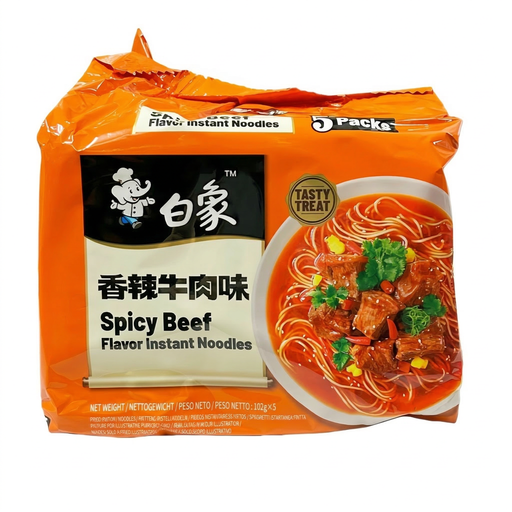
Why it fits this profile: A straightforward 5-pack with a classic spicy beef flavour and a cooking time of around four to five minutes.
The weight is clearly stated: 510 g total, divided into five sachets. The allergen information lists wheat, egg and soya.
Non-fried noodles according to the product description, and a portion of 102 g per sachet.
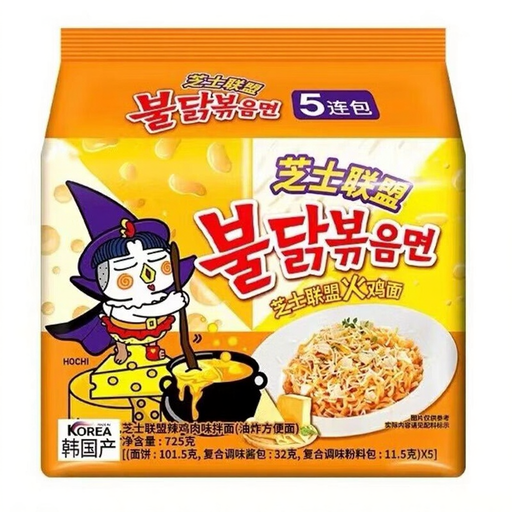
Why it fits this profile: For fans of a generous portion with a bold combination of spicy chicken-style flavour and cheese.
The packaging states five portions of 145 g. Milk, soya, wheat and celery are listed as allergens.
Cheese powder and cheese sauce are separate components of the seasonings; prepared as a stir-fry noodle.
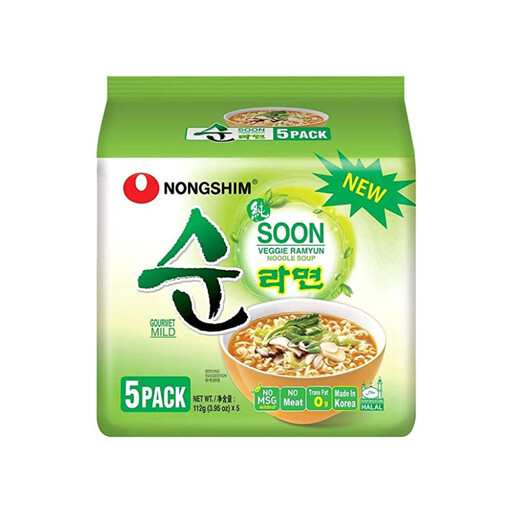
Why it fits this profile: A stock-up option for anyone looking for a vegetable flavour without meat products, according to the product description.
The description makes the flavour direction and multipack clear. Do check the current vegan or vegetarian labelling on the packaging before purchase.
Five sachets of 112 g, with dried Chinese cabbage and carrot listed in the product information.
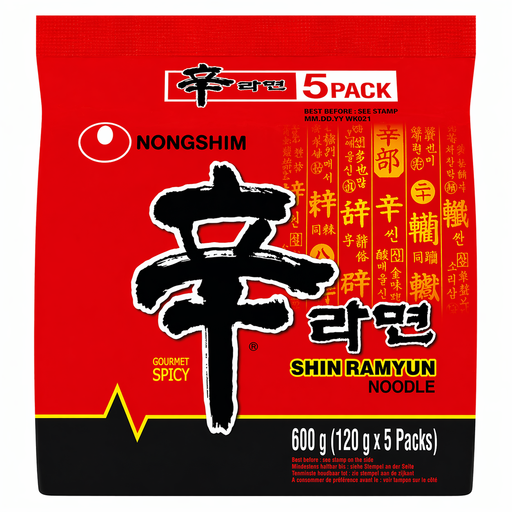
Why it fits this profile: A soup variety with chilli, garlic, mushroom and vegetable flakes according to the product information.
It’s clearly a broth product with five portions of 120 g. The listed allergens are wheat and soya.
120 g per portion and a preparation method that’s suitable for a quick meal at home or on the go.
We’ve put together a full, up-to-date list of products that fully meet these strict selection criteria and comply with current European safety regulations.
It varies by product. Soup noodles are usually prepared with boiling water and seasoning. Stir-fry noodles are boiled first, then you drain the water and add the sauce. Paldo Bibimmen requires rinsing under cold water before mixing in the sauce. Always follow the instructions on the packet.
The best-before date is printed on the packaging. Store unopened sachets in a cool, dry place, away from heat and moisture. Do not use a packet if it is damaged. Once prepared, it’s best to eat the noodles straight away.
No. A product without meat may still contain milk, egg, fish derivatives or other animal ingredients. So check the ingredients list, allergen information and any official certification on the packaging. This also applies to products with a vegetable or cheese variety.
