
Vandaag of morgen in huis

Kwaliteit gegarandeerd

Welkomstaanbiedingen ontgrendelen: GRATIS bezorging | Tot 80% korting | Gratis 30 dagen JoyPlus-proefperiode
Download de app
Korean instant noodles are popular with students, ramen fans and anyone who wants to prepare a quick hot meal. However, Korean ramen varies greatly in heat, portion size, preparation and allergens. Eye-catching packaging or a name such as “hot chicken” does not always tell you enough about what you’re getting.
With this buying guide, you can compare Korean instant noodles using verifiable product information. This helps you choose more selectively between noodle soup, dry spicy noodles, kimchi noodles, ramen with miso or a multipack.
Terms such as “fire chicken”, “hot” and “spicy” mainly indicate a pronounced chilli experience. They do not automatically tell you anything about the depth of the broth. With dry varieties, such as Samyang Buldak, the sauce is mixed into the noodles after cooking. With Shin Ramyun or kimchi noodles, the flavour remains more in a soup base.
Are you not used to spicy noodles? Start with a variety where you can add some of the seasoning mix or sauce. An egg, tofu, spring onion or some vegetables can also make the meal milder without changing the entire flavour.
A single pack often seems good value, but a box of 20 portions is not always practical for a small household. So check:
A multipack makes most sense if you already know the flavour or regularly eat instant noodles. For a first taste, a smaller pack is usually more convenient.
Many Asian instant noodles contain wheat and soya. Depending on the flavour, they may also contain milk, egg, sesame, fish, crustaceans, mustard or peanuts. Always check the label on the pack you receive. Product information on a website may differ from the current packaging.
Also pay attention to the salt content. The values in the supplied product information vary from product to product. For example, Hikari Miso lists 10.9 grams of salt per 100 grams, while Nongshim Potato Noodle Soup lists 2 grams. This difference makes it important not to judge by the flavour name alone.
First, choose the type of preparation:
Instructions vary. Some products need to stand for three minutes, while others need to be boiled for four minutes and then mixed with sauce or toppings.
A 100–140-gram pack is common for a substantial individual portion. An 80-gram cup may be more practical as a snack or light lunch. For families or frequent users, boxes such as 20 × 120 grams or 4 × 130 grams may be better value per portion.
Do not compare only the outside of the packaging. Also check the number of seasoning sachets, whether it contains vegetable flakes and whether each pack has its own best-before date.
Check the following before buying:
A product containing potato starch may have a different texture from ramen made mainly with wheat flour. According to the product information, NongShim Instant Potato Noodle Soup contains 49% potato starch in the noodles, as well as vegetable and Chinese cabbage flakes. This is a specific difference compared with many standard instant ramen products.
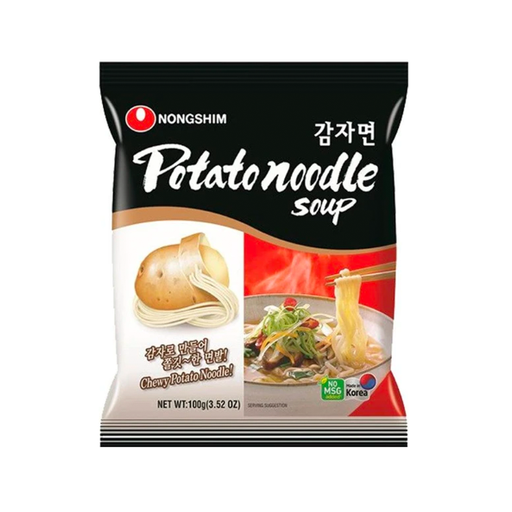
Why This Fits Their Persona: A compact portion for anyone who wants to try Korean noodle soup without buying a large box straight away.
The product information lists 100 grams per pack and 2 grams of salt per 100 grams. Check the current packaging for the definitive information.
Noodles with 49% potato starch according to the product description; contains cabbage flakes.
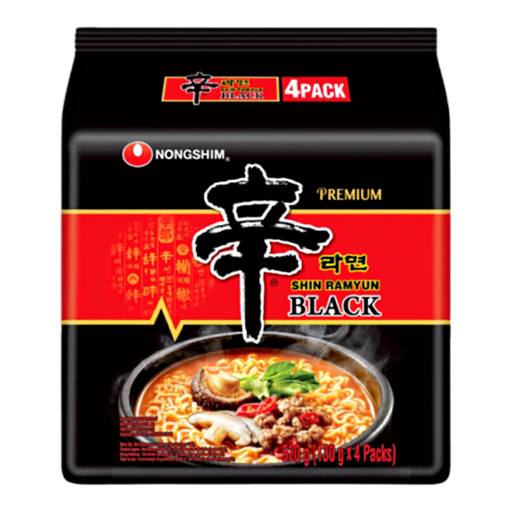
Why This Fits Their Persona: For ramen fans looking for a larger portion and a rich broth with ingredients including mushrooms, vegetables and bone ingredients.
The pack contains four 130-gram portions. This makes it easier to assess the price per portion than with a single pack.
Made in South Korea according to the product information; 4 × 130 grams.
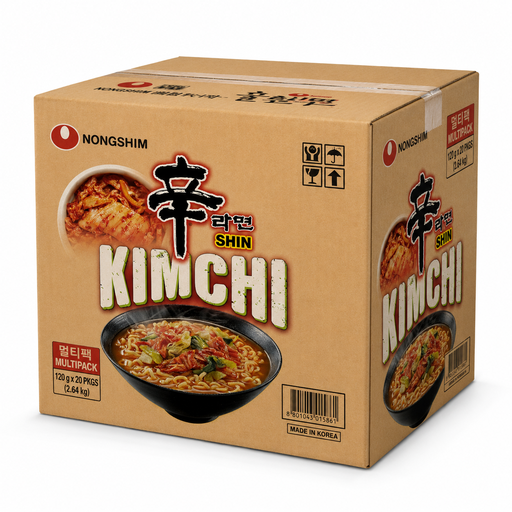
Why This Fits Their Persona: A large stock for families, offices or frequent consumers who regularly put kimchi noodles on the menu.
The box contains twenty individual portions. However, check the best-before date and allergens in advance; according to the information, this product contains wheat, soya, fish and mustard.
20 × 120 grams; contains kimchi flakes, pak choi, carrot and spring onion according to the product description.
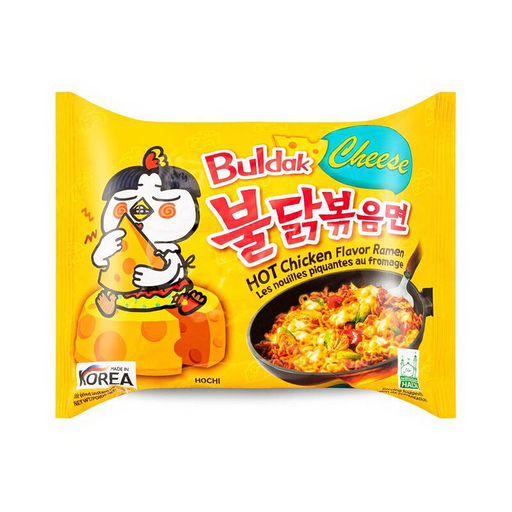
Why This Fits Their Persona: For anyone who wants dry, spicy noodles with chicken, chilli and cheese flavours instead of classic noodle soup.
The preparation instructions state that the sauce is mixed into the noodles only after cooking. This lets you control the amount of sauce more easily.
140-gram portion; contains sesame and soya according to the product information and is made in Korea.
Browse a current selection of instant noodles with rich broth and compare flavours, pack sizes and preparation methods.
Use the amount of water stated on the packaging. Too little water makes a soup base saltier, while too much dilutes the flavour. For dry ramen, drain the cooking water completely before adding the sauce. Add toppings such as egg, pak choi, sweetcorn, spring onion or tofu at the end so the noodles do not become too soft.
Store unopened instant noodles in a cool, dry place away from direct sunlight. Do not use a pack if it is damaged. Shelf life varies by product, so check the pack or box rather than relying only on the online product page.
No. Some varieties are clearly spicy, such as Buldak or Shin Ramyun, but there are also milder chicken, miso and potato noodle soups. The exact level of heat varies by flavour and brand. If in doubt, add some of the seasoning mix first.
Follow the best-before date on the packaging. Store the products in a dry, cool place away from direct sunlight. After opening, it is best to prepare the contents straight away, especially if the seasoning or sauce sachets have already been opened.
A multipack may have a lower price per portion, but only if you use the flavour regularly. Compare the total weight, number of portions and best-before date. For a first purchase, six individual portions or a smaller pack is often more practical than a box of twenty.
