
Vandaag of morgen in huis

Kwaliteit gegarandeerd

Welkomstaanbiedingen ontgrendelen: GRATIS bezorging | Tot 80% korting | Gratis 30 dagen JoyPlus-proefperiode
Download de app
Korean instant noodles are convenient, affordable and available in many varieties. From creamy Buldak ramen to spicy Nongshim Shin Ramyun, kimchi ramen and cold bibim noodles: the differences aren't just in the packaging. If you order without comparing, you could end up with a flavour that's too hot, a multipack you never finish, or a product that doesn't suit your allergies or dietary preferences.
Words like "hot", "volcano" or "spicy" give an indication, but there's no fixed, universal scale. The perceived heat also depends on how you prepare the noodles. With sauce-based noodles, most of the seasoning clings to the noodles themselves. With a Korean noodle soup, the flavour is distributed throughout the cooking water.
So start with half the amount of sauce or seasoning when you're trying a new brand. Adding an extra egg, vegetables or tofu can make the meal milder and more filling, without you having to buy a large box straight away.
A ramen multipack or box can lower the price per serving, but first check:
A box of 20 servings is mainly practical for heavy users, student households and families who eat instant ramen regularly. For beginners, a pack of 4, 5 or 6 servings is often more manageable.
A packet might show a rich dish with egg, vegetables and meat, but you'll only receive noodles, seasoning and dried ingredients. Always check the product description, preparation method, ingredients and nutritional values. The nutritional information is usually given per 100 grams of the dry product, so it's not the same as the values for a prepared bowl with toppings.
Korean instant noodles broadly fall into three preparation methods:
Check how much water is needed. For Buldak Carbonara, for example, you use 550 ml of water, then drain most of it off, leaving about 120 ml for the sauce. Always follow the instructions on the packet for each product.
Many products weigh between 100 and 140 grams per packet. That difference affects how filling they are, but also the nutritional values. Examples from the product specifications:
These values can vary by market or packaging. Always use the label on the product you receive as your guide.
Wheat, gluten and soya are common in many Korean instant noodles. Some varieties also contain milk, sesame, fish, egg, celery, mustard or shellfish. The product information may also include trace warnings. If you have an allergy, always check the actual packaging and don't rely solely on an online summary.
Also pay attention to the origin. Not every product with a Korean brand name is made in South Korea. The range includes products with China, South Korea or a European responsible importer listed as the origin or contact party.
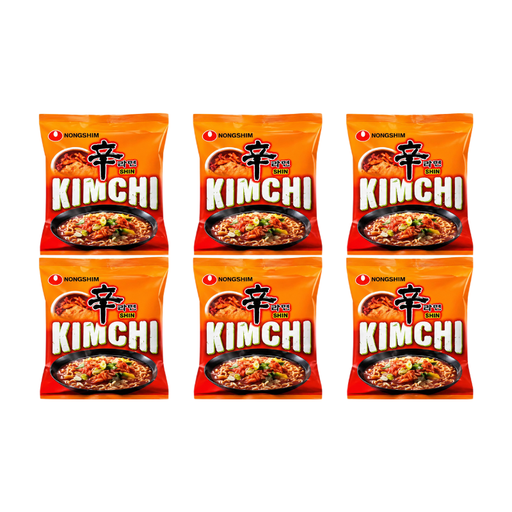
Why this fits the profile: Six servings offer a practical introduction to kimchi ramen without committing to a large box straight away. The preparation suits a quick lunch or evening meal.
The number of servings and weight are clearly stated. Do check the label, as the stated salt content is relatively high.
6 x 120 grams, soup preparation and dried kimchi, pak choi, carrot and spring onion according to the product description.
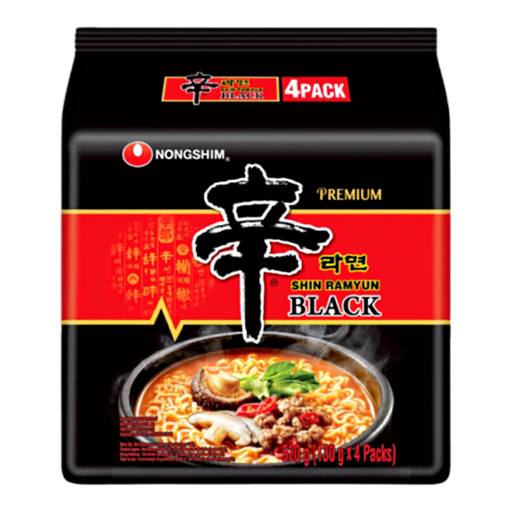
Why this fits the profile: This variant has a serving weight of 130 grams and combines a rich soup base with dried ingredients. That suits shoppers who pay attention to composition and preparation.
The pack contains four individual servings. This lets you test the flavour before moving on to a larger box.
4 x 130 grams, origin South Korea according to the product information, and a soup variant featuring shiitake, vegetables and herbs.

Why this fits the profile: The box of ten servings is ideal for fans of spicy and creamy ramen who already know this flavour or regularly cook for several people.
The product page states the 10 x 130 gram format and the sauce preparation. Check beforehand whether milk, soya, gluten and celery fit within your diet.
10 servings of 130 grams, carbonara powder and a preparation where the noodles are mixed with sauce after cooking.
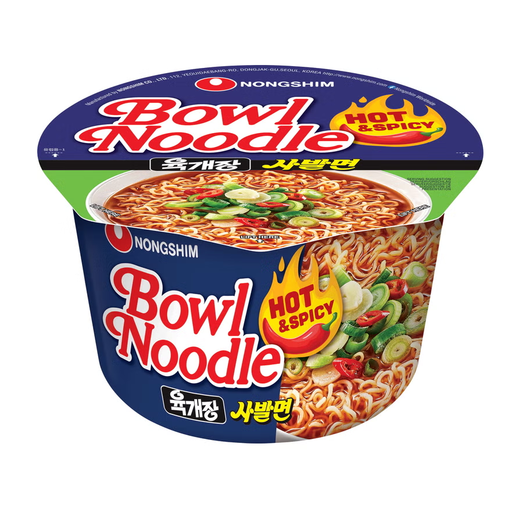
Why this fits the profile: The bowl packaging is handy when you have limited kitchen equipment or want a quick meal at the office, in a student room or on the go.
The instructions ask for boiling water and about 4 to 5 minutes of waiting. You don't need a pan or separate bowl.
100 grams per bowl, dried vegetables and a preparation with water up to the inner rim.
We've put together a full, up-to-date list of products that fully meet these strict selection criteria and comply with current European safety regulations.
It depends on the type. For a Korean noodle soup, you usually cook the noodles for 4 to 5 minutes in water with the soup base. With Buldak ramen, you cook the noodles, drain almost all the water and stir the sauce through. A bowl noodle is usually prepared directly with boiling water in the packaging. Always read the instructions on the label.
The best-before date is on the packaging. Store unopened noodles in a cool, dry place, away from direct sunlight and moisture. Do not use a damaged packet. A multipack remains practical as long as you can finish the servings before the stated date.
The price per serving varies by brand, flavour and pack size. A multipack or box can lower the unit price, but always compare the number of servings and the weight. Creamy varieties, imported products and smaller packs can work out differently per serving. Check the legal information, allergens and the current product price on the product page and packaging.
