
Vandaag of morgen in huis

Kwaliteit gegarandeerd

Welkomstaanbiedingen ontgrendelen: GRATIS bezorging | Tot 80% korting | Gratis 30 dagen JoyPlus-proefperiode
Download de app
Korean instant noodles are popular with K-food enthusiasts, students and anyone who wants a warm meal on the table in minutes. Yet the choice can sometimes be trickier than it looks. A flashy packet doesn't tell you how spicy it really is, a value pack isn't always cheaper per serving, and cup noodles require a different preparation method to stir-fry noodles.
As Joybuy's Product Recommendation Officer, I filter the most important product information so you can compare Korean ramen on flavour, size, preparation and ingredients. That way, you can avoid a bad buy and choose a variety that suits your mealtime.
Terms like "hot chicken", "volcano" and "spicy" point to a bold flavour, but they don't give a standardised heat scale. Samyang Buldak, Paldo Volcano Chick and some Nongshim varieties can therefore feel very different.
If you're not used to spicy food, it's better to start with a creamy or milder option, such as carbonara ramen or Buldak Rose. Also check whether you need to add the full sauce packet. With some stir-fry noodles, you can use part of the sauce to adjust the intensity.
A box of 20 or 40 packets might look appealing for stocking up, a student house or the office. But first check the serving size, the best-before date and how much storage space you have. A multipack only really makes sense when you already know you like the flavour.
For a first try, individual Korean noodles or a small pack are often more practical. Cup noodles also take up more space than flat packet varieties, but they are easier to prepare without a pan.
Many Korean instant ramen contain wheat, soya and sesame. Creamy varieties often contain milk too. Some products also mention possible traces of fish, shellfish, egg, peanuts or nuts.
Always read the label on the packet. Online product information can change, and the packet is the definitive source for ingredients, allergens, preparation instructions and the best-before date. Also watch out for salt: in the product information provided, the salt content per 100g varies widely between different ramen.
Korean instant noodles are not all the same. With soup noodles, you cook the noodles with water and the seasoning mix. With stir-fry noodles, you usually drain the water and then mix the sauce through the noodles. A cup noodle product is typically prepared by adding boiling water to the pot.
Always check:
According to the product information, Nongshim Shin Ramyun Original requires 550ml of water and around 4.5 minutes of cooking time. With a cup variety, you usually only need boiling water and a few minutes of waiting.
A packet of 130 to 145g is usually intended as a full meal portion, while a cup of 62 to 80g can also work as a quick lunch or snack. A multipack of five, six, ten or more is practical for regular use.
Choose based on your situation:
Don't just compare the total price, but also the price per serving.
Spicy noodles can have a broth, but also a thick sauce. Samyang Buldak is known in the range for hot chicken flavour varieties, while Nongshim Shin Ramyun Original has a spicy soup base. Chapagetti uses a black bean sauce, and carbonara ramen combines a creamy powder mix with a spicy sauce.
If you're after a fuller flavour, look out for ingredients like kimchi, garlic, sesame, seaweed, cheese powder or black bean sauce. "Kimchi flavour" doesn't automatically mean there's a large amount of kimchi in it; check the ingredients list and the amount of dried vegetables.
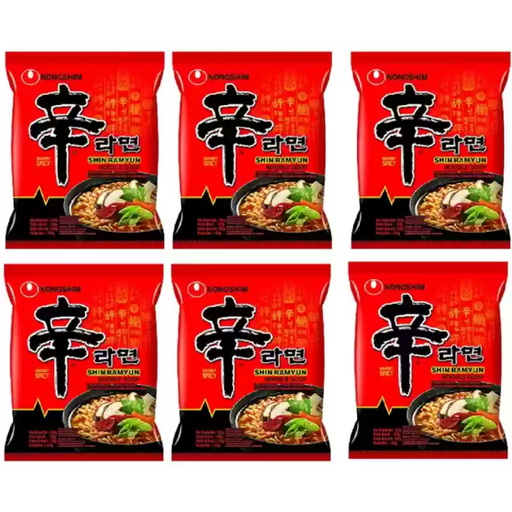
Why this fits the profile: A six-pack gives beginners several portions to prepare at home, without buying a very large box straight away. The cooking time and amount of water are clearly stated.
The packaging states six portions of 120g, so you can estimate the quantity in advance. Do check the allergens on the current label.
Six individual packets, preparation in around 4.5 minutes and a soup variety with dried vegetables.
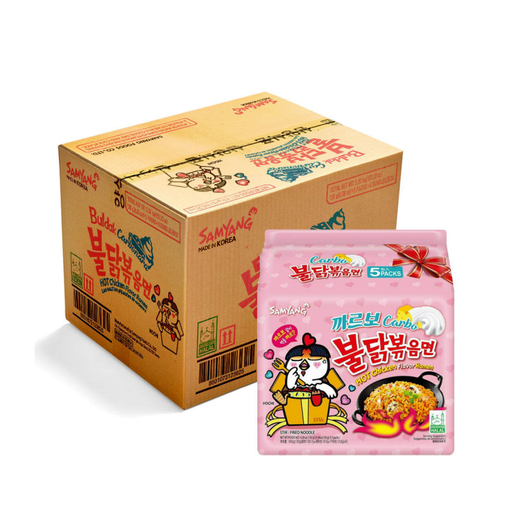
Why this fits the profile: This large pack is aimed at regular fans of carbonara ramen who want to stock up and already know the flavour.
The product information gives the preparation steps, serving size and allergens. The quantity of 40 packs makes the total stock clear upfront.
130g per packet, separate sauce and powder mix, and a combination of spicy chicken and carbonara flavour.
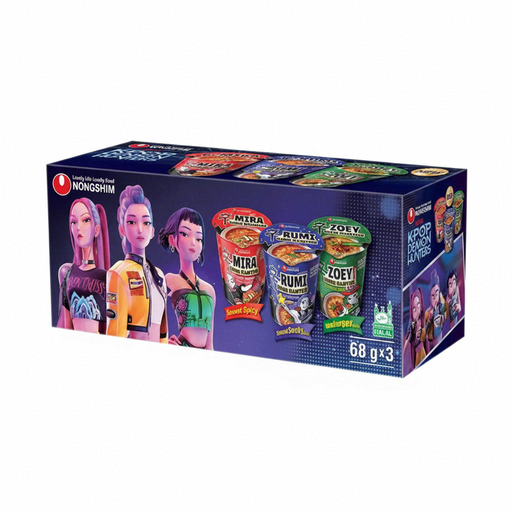
Why this fits the profile: Handy if you want to try three different cup noodles, for example at the office, during a study session or on the go.
The set contains three 68g cups with separate flavour profiles. This means you don't immediately buy a large stock of one unfamiliar variety.
Three cups, three flavours, preparation with boiling water and a pack that requires no pan. Not suitable for microwave use according to the product information.
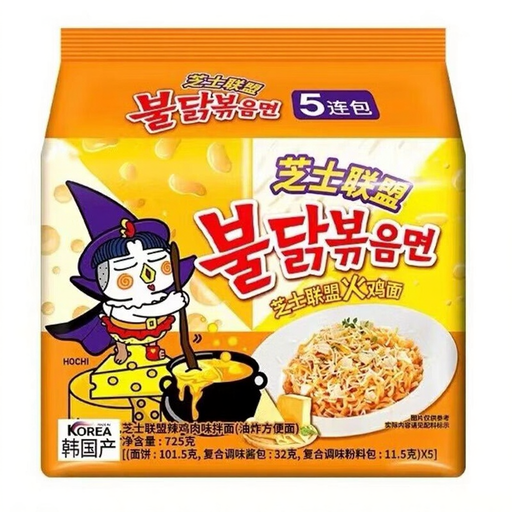
Why this fits the profile: The 145g packets are suitable for a hearty meal and for users who like to add toppings such as egg, vegetables or extra cheese.
The five-pack is smaller than many large packs. The product information also states the allergens present, including gluten, soya, milk and celery.
145g per portion, five packets and a combination of spicy sauce with cheese powder.
We've put together a full, up-to-date list of products that fully meet these strict selection criteria and comply with current European safety regulations.
No. Some varieties have a mild broth, black bean sauce or creamy flavour. Products with "hot chicken", "volcano" or "spicy" are generally aimed at fans of spicy food, but the intensity varies by brand and recipe. Start with less sauce if you like, or choose a variety with cheese or carbonara powder.
Cook the noodles according to the instructions, drain most of the water and then stir the sauce or seasoning mix through. Some products ask for about 30 seconds of stir-frying afterwards. Use the exact instructions on the packet, because the amount of water and cooking time differ per product.
The best-before date is on the packet. Store unopened noodles in a cool, dry place, away from direct sunlight, heat and moisture. Once prepared, it's best to eat them straight away. With a large pack, check the date regularly, especially if you buy several boxes at once.
