
Vandaag of morgen in huis

Kwaliteit gegarandeerd

Welkomstaanbiedingen ontgrendelen: GRATIS bezorging | Tot 80% korting | Gratis 30 dagen JoyPlus-proefperiode
Download de app
Korean instant noodles are handy for a quick lunch, a student meal or to keep in the cupboard. Yet the difference between Korean ramen, instant ramen and other Asian noodles is greater than the packaging sometimes suggests. A striking image of chilli doesn't automatically mean the flavour will suit you. Also, a large noodle multipack can be inconvenient if you don't use the portions in time.
As a Joybuy Product Recommendation Officer, I therefore focus on verifiable information: portion size, preparation method, ingredients, allergens, nutritional values and the number of packets.
Spicy Korean noodles, such as Buldak ramen, Shin Ramyun and some variants of Nongshim noodles, differ greatly in flavour profile. One product may rely heavily on chilli and sauce, while another ramen places more emphasis on garlic, mushroom, kimchi, fish or beef flavour.
So don't just look for words like "hot" or "spicy". Also check whether a soup sachet, seasoning powder, sauce or oil is included. With Samyang Buldak Carbonara, for example, the flavour consists of a spicy sauce and a separate powder containing milk and cheese components. That's quite different from a classic instant noodle soup with broth.
A pack of five or twenty sachets may seem good value, but the portions vary. Ottogi Jin Ramen Spicy contains five packets of 120 grams. The mild variant of Ottogi is also available as a 5-pack of 120 grams, while another pack contains six portions of 65 grams.
So always compare:
For a household that eats ramen regularly, a bulk pack can be practical. If you only prepare instant noodles occasionally, a smaller multipack may be more suitable.
Korean instant noodles often contain wheat and soya. Depending on the flavour, milk, fish, shellfish, sesame, mustard, egg or celery may also be present. Always read the label on the packaging you receive. Product information on a website may differ from the actual packaging according to the supplier.
Also look out for claims such as "vegetarian" or "vegan". The composition varies by flavour and market. For Nongshim Instant Vegetable Noodles, the product description states that the product is meat-free and vegan certified, but always check the current ingredients list and allergen information before purchase and consumption.
Nutritional values are usually given per 100 grams. That's handy for comparison, but a full portion can be heavier. For example, the Uni-President Shrimp Fish Bowl contains 108 grams. The product information states 438 kcal and 5.7 grams of salt per 100 grams. Nongshim Shin Ramyun is available in different packs; so check the exact variant and portion size before comparing values.
A product with sauce, oil or multiple sachets can have a different composition to a simple instant ramen with only seasoning powder. Use the information on the label as a starting point.
Most Asian noodles are ready in a few minutes, but the instructions are not identical. For the Uni-President bowl, 500 ml of boiling water is used and the stated steeping time is 3 to 4 minutes. Nongshim Shin Ramyun states for certain packs 550 ml of water and approximately 4.5 minutes of cooking. Neoguri Ramyun uses a cooking time of 4 to 5 minutes according to the product description.
This difference affects the texture and the amount of broth. If you're short on time, you can choose a bowl that only needs boiling water. For a firmer result, cooking instructions in a pan are often more suitable.
Use the flavour as a first filter:
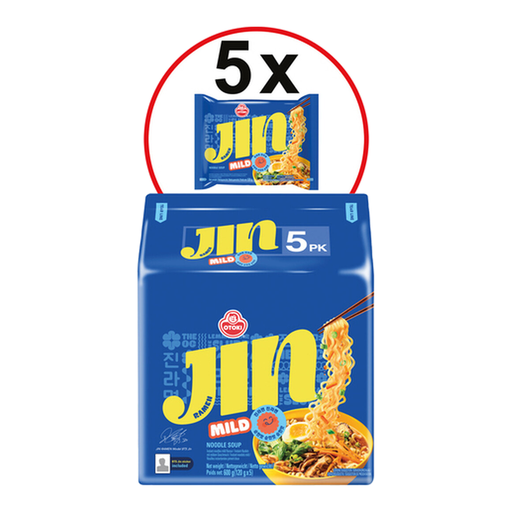
Why this fits the profile: The five individual portions of 120 grams are straightforward for a first introduction to Korean ramen and suitable for a store cupboard.
The mild flavour prevents you from buying a very spicy variant without warning. Do check the allergens: the product information lists wheat and soya.
Five individual sachets of 120 grams and a mild flavour profile.
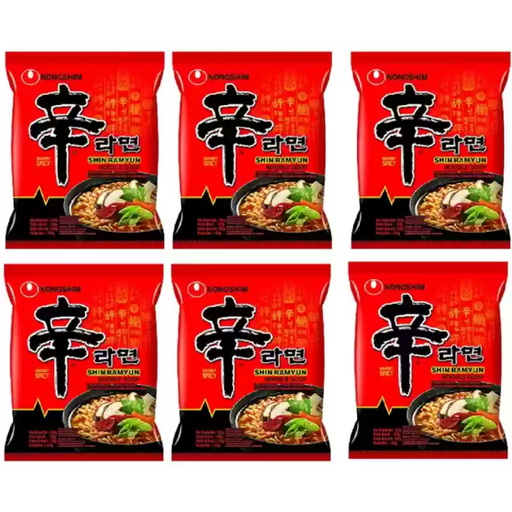
Why this fits the profile: This pack contains six portions of 120 grams and is aimed at fans of a spicy broth with clear preparation instructions.
The product information states approximately 4.5 minutes preparation and 550 ml of water. So you don't have to guess the cooking time or amount.
Six portions of 120 grams and a preparation with soup spices and dried vegetables.
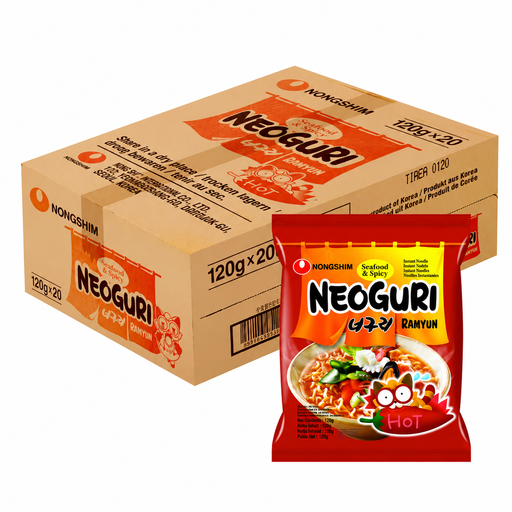
Why this fits the profile: The box of twenty individual portions is practical for large households, shared student kitchens or frequent ramen eaters.
The number of portions and the weight per portion are clearly stated. Do check that you have enough dry storage space.
Twenty portions of 120 grams and a stated cooking time of 4 to 5 minutes.

Why this fits the profile: The pack of ten portions is suitable for fans of Buldak ramen who prefer a saucy carbonara style over a classic soup.
The product description explicitly mentions carbonara, spicy chicken flavour and a sauce preparation. The packaging lists wheat, soya, milk and celery as allergens.
Ten portions of 130 grams and a separate sauce and powder component.
We've put together a full, up-to-date list of products that fully meet these strict selection criteria and current European safety regulations.
Follow the instructions on the packaging. Usually you cook the noodles in approximately 500 to 550 ml of water for 3 to 5 minutes. With a bowl, you often only add boiling water and let the noodles steep covered. Add sauce, oil and seasonings at the indicated time.
The best-before date is on the packaging. Store unopened noodles in a dry, cool place away from direct sunlight. Check the packaging for damage and always follow the manufacturer's current storage and preparation instructions.
Not automatically. Some products contain fish, shellfish, chicken flavour, milk or other animal ingredients. Even a vegetable variant should be checked against the current ingredients list and allergen information. So don't just look at the flavour name, but at the label of the specific pack.
