
Vandaag of morgen in huis

Kwaliteit gegarandeerd

Welkomstaanbiedingen ontgrendelen: GRATIS bezorging | Tot 80% korting | Gratis 30 dagen JoyPlus-proefperiode
Download de app
Korean instant noodles are convenient, affordable and available in a wide range of flavours. Yet sometimes the packaging can look more alike than what’s actually inside. A spicy packet doesn’t always mean a strong-tasting broth, and a large box isn’t necessarily good value if you quickly tire of the flavour.
So watch out for three common pitfalls:
Not every type of instant ramen is prepared the same way.
Check the preparation method before you buy. The amount of water needed, cooking time and order of the sachets vary from product to product.
A serving of Korean instant noodles in our range usually weighs between around 100 and 140 grams. A pack of five or six sachets is suitable if you eat ramen occasionally. A box of 20 portions is better suited to a household, students or heavy users.
Alongside the number of sachets, pay attention to:
A multi-pack is practical for stocking up, but it’s better to buy a smaller pack first if you’re trying a new flavour you don’t know yet.
Nutritional values are usually given per 100 grams. This makes comparison possible, but do also check the weight of the whole serving. In the product specifications of the ramen mentioned, the salt content varies, for example. That difference can be relevant when you’re comparing several varieties.
Pay particular attention to the allergens in bold text on the packet. Many Korean ramen contain wheat and soya. According to the product information, Shin Ramyun varieties may also list fish, sesame, milk or shellfish. Samyang Buldak Carbonara lists milk, wheat and soya in its stated ingredients.
Claims such as “vegan” or “suitable for vegetarians” should always be verified against the actual packet and the allergen overview. A product description is no substitute for the label.
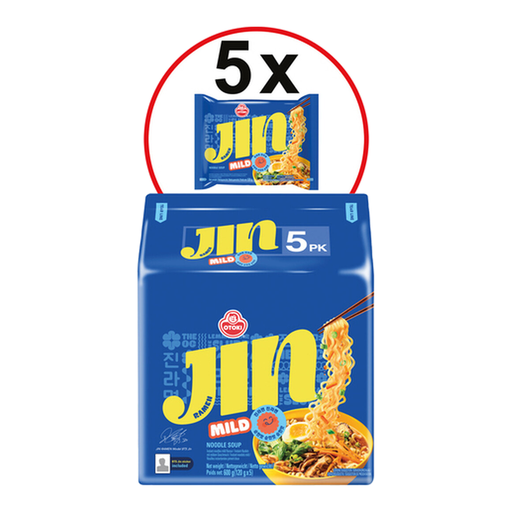
Why this fits the profile: The pack contains five 120g servings. The mild flavour is an easy entry point for anyone wanting to try Korean ramen without jumping straight into a very spicy variety.
The product information clearly states the number of servings, the weight and the mild flavour. So you don’t have to rely solely on a flashy heat claim.
Five 120g sachets, mild flavour and a preparation designed for a quick meal.
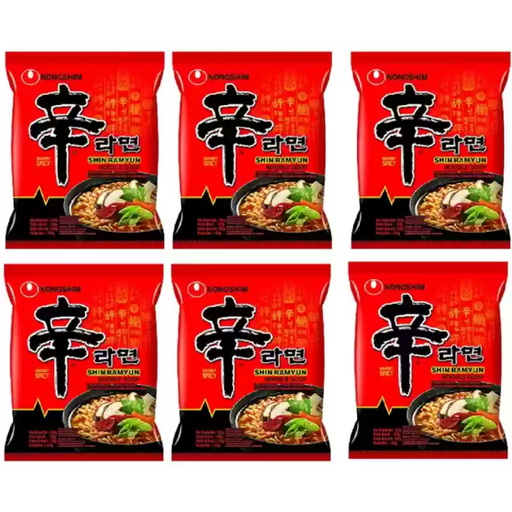
Why this fits the profile: According to the product description, this variety combines a seasoned broth with a cooking time of around 4.5 minutes. That suits fans who are mainly looking for a recognisable soup style.
The preparation instructions specify 550 ml of water and 4.5 minutes of cooking. This means you can plan your portion better than with products that only have generic marketing text.
Six 120g servings, clear cooking instructions and a soup base with chilli, garlic and herbs according to the product description.
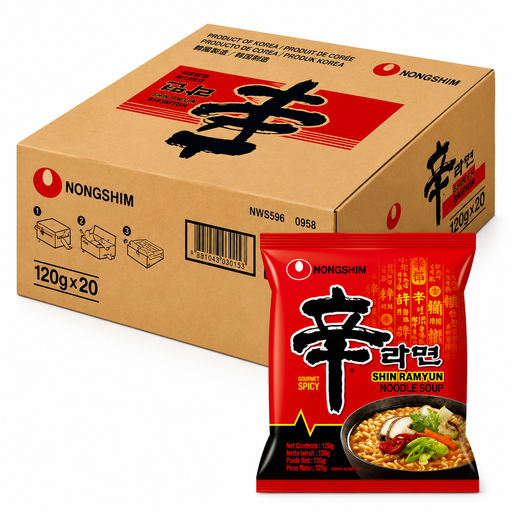
Why this fits the profile: A box of 20 individual servings is practical for households, student houses and cupboards where instant ramen is eaten regularly.
The bulk pack makes the number of servings and total weight easy to check. Just make sure in advance that the spicy flavour suits everyone who’ll be eating it.
20 sachets of 120g, ideal for stocking up and can be combined with egg, vegetables or meat according to the product description.
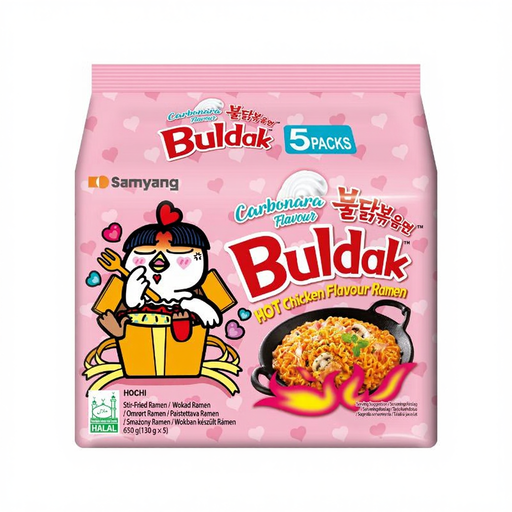
Why this fits the profile: This pack contains five 130g sachets with a spicy chicken and carbonara flavour. The variety is designed for anyone looking for stir-fry noodles with a punchy sauce.
The product information clearly states the sauce style and includes a separate allergen listing with wheat, soya and milk among others. That helps with a targeted choice.
Thick noodles, five 130g servings and a combination of spicy sauce with carbonara powder according to the product description.
We’ve put together a full, up-to-date list of products that fully meet these strict selection criteria and comply with current European safety regulations.
Follow the instructions on the packet. For soup varieties, you usually cook the noodles for 4 to 5 minutes in around 500 to 550 ml of water. For Buldak-style stir-fry noodles, you drain some of the water after cooking and mix the sauce through. Only add toppings after you’ve checked the preparation method.
Check the best-before date on the packet and store the noodles in a cool, dry place out of direct sunlight. An opened packet should be sealed properly. Before use, check that the packaging isn’t damaged and read the current instructions on the label.
That depends on the flavour. Ottogi Jin Ramen Mild is described as mild in the product information, whereas Shin Ramyun, Neoguri and Samyang Buldak are described as spicy. If you’re sensitive to strong flavours, you can start with a mild variety or use less seasoning and sauce.
