
Vandaag of morgen in huis

Kwaliteit gegarandeerd

Welkomstaanbiedingen ontgrendelen: GRATIS bezorging | Tot 80% korting | Gratis 30 dagen JoyPlus-proefperiode
Download de app
Korean instant noodles are handy for a quick lunch, a late-night snack, or keeping a stash in the cupboard. Yet Korean ramen varies widely in flavour, preparation method, portion size and allergens. A flashy packet or a term like “extra spicy” doesn’t tell you everything about what you’re getting.
With this practical guide, you can focus on the things that really matter: flavour type, preparation method, portion size, ingredients and packaging format. That way, you’ll avoid buying a multipack that doesn’t suit your eating habits, or picking a noodle soup that’s too spicy.
Many spicy noodles focus on chilli, but the overall flavour can also be sweet, savoury, creamy or more like a broth. Samyang Buldak, for example, is known for its intense chilli taste. According to Samyang’s product description, the Carbonara variant combines this heat with milk ingredients, cheese powder and a creamy sauce.
If you’re after a milder Korean noodle soup, it’s better to look for a product with clear information about the soup base and seasonings. A product labelled “hot”, “spicy” or “Buldak” on the packet isn’t automatically right for every taste preference.
A pack of five, six, ten or twenty portions can work out cheaper per bowl, but only if you actually want to eat that flavour regularly. Also pay attention to the preparation method. Some Korean noodles are meant to be served as a soup, while others are drained after cooking and mixed with a sauce.
This difference matters in a student room, office or small kitchen. For a bowl of noodle soup, you usually just need boiling water and a pan or bowl. For stir-fried noodles, you have to drain the noodles and sometimes mix them with a sauce.
The product information on a web shop can differ from the actual packaging. So if you have allergies or dietary requirements, always check the label on the product you receive. Look out for wheat and gluten, soya, milk, egg, sesame, fish, shellfish and celery.
The country of origin can also vary by variant or pack size. For example, different Nongshim products list South Korea as the origin, while a particular multipack states China as the country of origin. Always check this per product rather than relying on the brand alone.
Korean noodle soup, such as Shin Ramyun, is prepared with water and soup seasonings. Chapagetti and Paldo Jjajangmen are mixed with a black bean or other sauce after cooking. Paldo Bibimmen is a cold, sweet-spicy stir-fried noodle: after cooking, the noodles are rinsed and mixed with sauce.
So choose based on your preference:
A single portion of around 100 to 140 grams is practical for trying out a flavour. Multipacks make more sense when you already know which variant you want and want to stock up.
Don’t just compare the number of sachets – also look at the total weight. A pack of five 130-gram portions, for example, contains 650 grams of product. With a bowl variant, the weight may be lower, but you get a cup in which to prepare the noodles.
Most instant ramen is ready in about four to five minutes. However, the preparation can differ:
Also check the nutritional values per 100 grams and the salt content. These values are mainly useful for comparing products; they don’t tell you on their own how big your final portion will be.
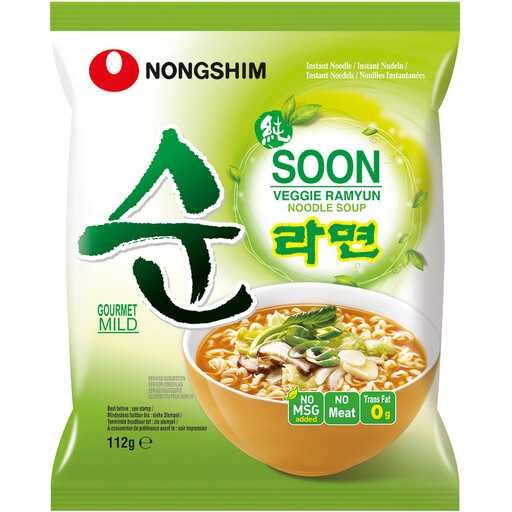
Why this fits the profile: A single portion is handy for trying out a savoury Korean ramen variant without buying a large stock straight away.
The product information mentions a soup base and dried vegetables, making it clear that this is a noodle soup and not a dry sauce noodle.
112-gram portion, quick preparation, and a product description featuring vegetables and a savoury flavour.
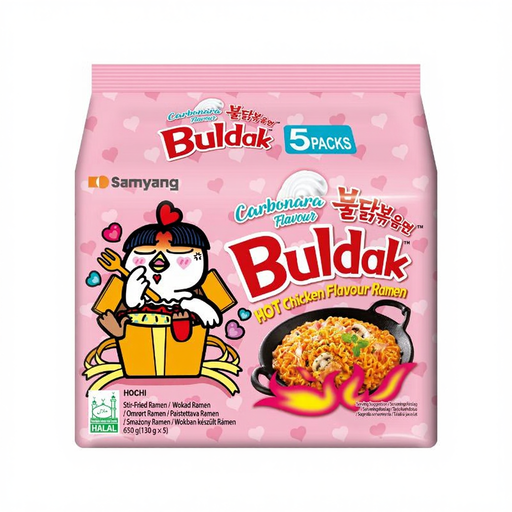
Why this fits the profile: This multipack combines thick noodles with a spicy sauce and carbonara-style powder mix for anyone seeking a distinctive flavour.
The ingredients list makes the combination of chilli, chicken flavour, milk and cheese powder visible. So you know in advance it’s not a simple broth variant.
Five 130-gram portions, thick noodles and clear allergen information including gluten, soya and milk.

Why this fits the profile: A large stock is ideal for households, offices and ramen fans who regularly want to prepare a warm bowl of instant ramen.
This is twenty individual 120-gram portions. The quantity is therefore clear in advance and suitable for planned stock management.
Twenty portions, preparation in around four to five minutes, and a soup base with dried vegetables.
Fancy a black bean flavour without broth? Then look at NongShim Chapaghetti 140g or the pack NongShim Instant Noodle Soup Chapagetti 6 × 140g. For a cold preparation, Paldo Bibimmen Noodles 130 g × 5 are suitable according to the stated cooking instructions. If you prefer a cup, you can choose Nongshim Korean Hot & Spicy Bowl Noodle 100g.
Before ordering, always check:
We’ve put together a full, up-to-date list of products that fully meet these strict selection criteria and comply with current European safety regulations.
First, read the instructions on the packet. For soup noodles, you usually boil the noodles for a few minutes in water with the seasonings. For Bibimmen, Jjajangmen and Chapagetti, you boil the noodles and then mix them with sauce. A cup noodle is filled to the indicated line with boiling water and left to stand for a few minutes.
The exact best-before date is on the packet. Store unopened products in a cool, dry place, away from heat and moisture. Do not use a packet if it is damaged. Check the date after purchase and follow the manufacturer’s information.
This varies by variant. Some products contain only plant-based ingredients according to the product information, while others may contain milk, fish, shellfish, egg or chicken flavour. So always check the current ingredients list and allergen declaration on the label.
