
Vandaag of morgen in huis

Kwaliteit gegarandeerd

Welkomstaanbiedingen ontgrendelen: GRATIS bezorging | Tot 80% korting | Gratis 30 dagen JoyPlus-proefperiode
Download de app
Korean instant noodles are handy for a quick lunch, a late-night snack or to keep in the cupboard. Yet Korean ramen varies widely in flavour, preparation method, portion size and allergens. A large box isn’t automatically good value if the taste disappoints or the best-before date is close.
As Joybuy’s Product Recommendation Officer, I filter the key product information so you can separate marketing language from verifiable specifications. Below, you’ll find what to look for when buying Korean noodles, from spicy Korean noodles to cold Bibim Men.
Spiciness can come from chilli powder, chilli paste, oil or a combination of these. A noodle soup like Shin Ramyun has a seasoned broth, whereas Samyang Buldak noodles are usually mixed with a concentrated sauce. As a result, the same “hot” label can deliver a very different eating experience.
So pay attention to the preparation method:
An instant noodle multipack of 20 servings is practical for students, families or an office stash. For beginners, though, such a pack can be awkward if the flavour or heat level isn’t to your taste. Also check the weight per serving: 120g, 130g, 137g and 140g are all common sizes.
So compare the price per serving, not just per box. A pack of five may seem more expensive per serving, but it limits the risk when you’re trying a new flavour.
With some products, old and new packaging may be mixed in delivery. Product photos, ingredient lists or nutritional values on a sales platform can also differ from the physical label. So if you have allergies, always check the packaging you receive.
The legal allergen information on the label is what counts. Many Korean ramen contain wheat, gluten and soya. Some varieties also include milk, fish, shellfish, mustard or sesame.
First, choose the type of meal:
Most products are ready in about four to five minutes. Cup noodles only need hot water, while sachets are usually cooked in a pan. Check the amount of water on the packaging; the product information for various Nongshim varieties mentions around 500 to 550 ml.
A larger portion doesn’t automatically mean a more complete meal. Feel free to add egg, tofu, spring onion, sweetcorn or fresh vegetables. Keep an eye on the total salt and fat content. In the product information provided, nutritional values per 100g vary, for example around 417 to 445 kcal and different salt levels.
Before buying, read:
Store unopened instant noodles in a cool, dry place away from direct sunlight. Do not use a damaged package. The date on the packaging and the current preparation instructions take priority over general information on a web shop.
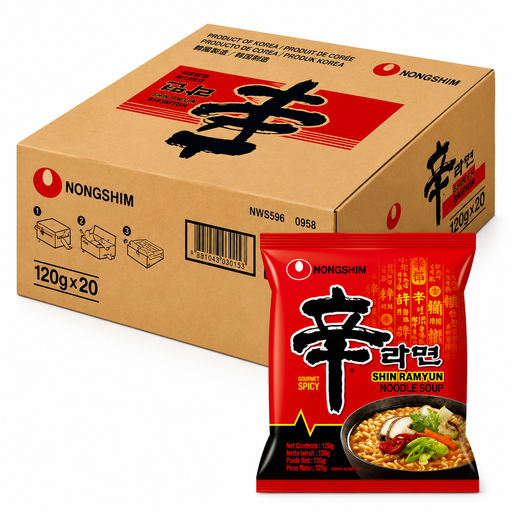
Why this fits the profile: A box of 20 servings is practical for anyone who eats ramen regularly and wants to compare the cost per serving. According to the product information, preparation takes about four to five minutes.
The product page clearly states the number of 20 individual packs and a serving weight of 120 grams. Check the current ingredients on the label, especially if you have allergies.
20 individual servings, seasoned broth and a preparation time of around 4 to 5 minutes.
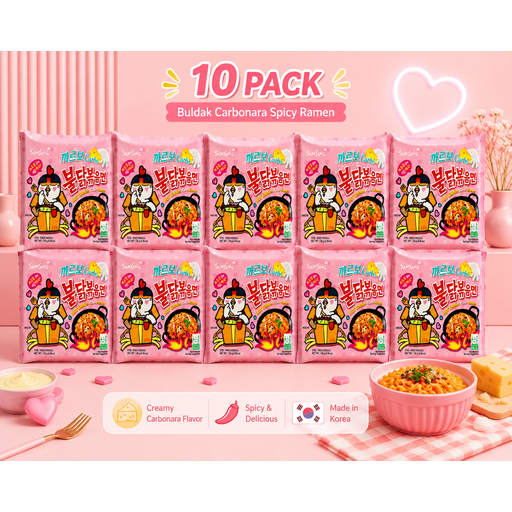
Why this fits the profile: The product information mentions a combination of spicy chicken flavour and carbonara style, with a pack of 10 servings of 130 grams.
The product page distinguishes between the sauce and the powder mix. This makes it clear that it’s a dry, creamy preparation and not a classic noodle soup.
10 servings, 130 grams per pack and clear mention of milk, wheat and soya allergens.
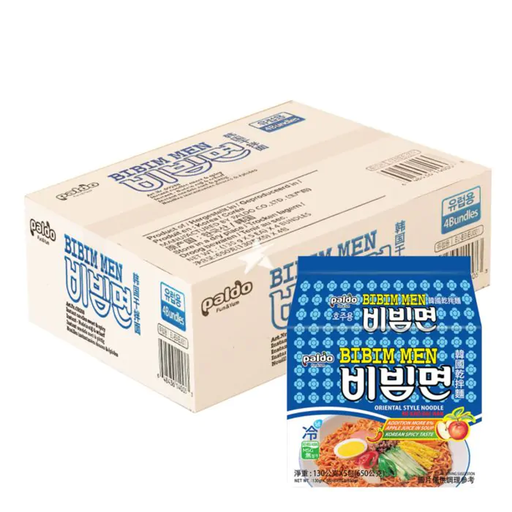
Why this fits the profile: This bulk pack is aimed at fans of cold, sweet-spicy noodles without soup. That makes the product suitable for warm days, lunch or a quick meal on the go.
The preparation method explicitly states boiling, rinsing cold and mixing with sauce. So you’re not buying a product that accidentally ends up as noodle soup.
20 servings of 130 grams, thick noodles and a preparation without broth.
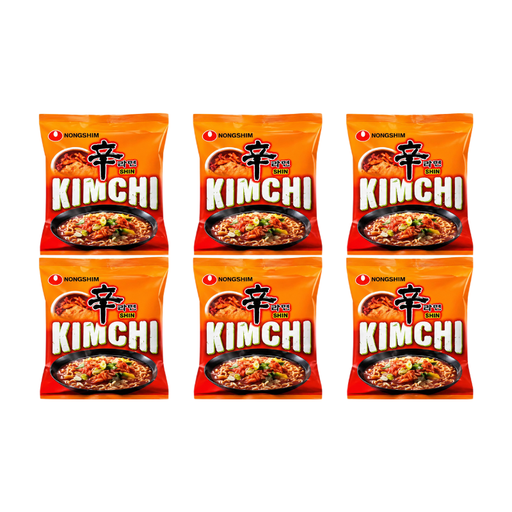
Why this fits the profile: A pack of six servings gives you room to try Kimchi noodles without ordering a bulk pack straight away.
The product description mentions kimchi flavour, soup preparation and six individual packs. Check the current salt and allergen information on the label.
6 servings of 120 grams, soup with kimchi flavour and preparation in just a few minutes.
We’ve put together a full, up-to-date list of products that fully meet these strict selection criteria and current European safety regulations.
No. Many varieties are seasoned or spicy, but the intensity differs per brand and flavour. Bibim Men, Shin Ramyun and Buldak each have a different sauce or broth base. Start with a smaller pack if you don’t yet know your tolerance.
Follow the date and storage instructions on the packaging. Store the sachets unopened in a cool, dry place, away from moisture and sunlight. If the packaging is damaged, it’s best not to use the product.
“Ramen” is often used as a general term for instant noodles. Noodle soup contains a broth in which the noodles are served. Some Korean ramen, such as Buldak and Bibim Men, are drained after cooking and mixed with sauce instead.
