
Vandaag of morgen in huis

Kwaliteit gegarandeerd

Welkomstaanbiedingen ontgrendelen: GRATIS bezorging | Tot 80% korting | Gratis 30 dagen JoyPlus-proefperiode
Download de app
Fancy Korean instant noodles, but not sure whether to go for Buldak noodles, Shin Ramyun or another spicy ramen? The packaging doesn’t always tell the whole story. A striking flavour name, for example, might mean a creamy sauce rather than a classic noodle soup. Portion size, cooking method and shelf life also vary between multipacks.
As a Joybuy Product Recommendation Officer, I look beyond the product description to practical details: flavour, quantity, ingredients, allergens and ease of use. That way, you can avoid buying a big box that turns out to be too spicy, too salty or inconvenient for the occasion.
Words such as hot, fire and volcano point to a pronounced spicy flavour, but they don’t tell you exactly how the noodles are prepared. Some products are dry stir-fried noodles, where you drain off most of the cooking water. Others are made to be served as Korean noodle soup with broth.
With Buldak noodles, the sauce is often mixed into the noodles after cooking. Shin Ramyun, on the other hand, is cooked in water with seasoning powder and vegetable flakes. The result in the bowl is quite different.
A pack of five or twenty may look like good value, but check the weight per portion first. Products in this selection range from 98 grams to 145 grams per pack. So a ramen multipack of 5 × 140 grams contains a different total amount from a pack of 5 × 130 grams.
Also think about how you’ll use it. A five-pack is a manageable choice for the occasional quick meal. For students, shared households or regular ramen fans, a box of twenty portions may be more practical.
Many Korean noodles contain wheat or gluten and soya. Carbonara, cheese or cream varieties often contain milk too. Sesame, celery and other allergens may also be present. Always check the label on the pack you receive, as recipes and packaging can change.
Cooking instructions are another thing to look out for. Dry Buldak varieties usually need to be drained and mixed with the sauce. With soup noodles, the cooking water stays in the dish. Use the instructions on the pack as your guide.
Choose dry stir-fried noodles if you like a concentrated sauce and a firm, chewy texture. Samyang Buldak and Paldo Volcano are examples of this style. For a meal with broth, Shin Ramyun or GARAK Chicken Flavor Soup Ramen may be a better fit.
Check:
For example, the Nongshim Shin Ramyun pack contains 20 portions of 120 grams. That’s suitable for a household that eats it regularly, but less convenient if you want to try a few different flavours first.
Compare the nutrition table per 100 grams, not just per pack. In the product information provided, several varieties contain around 379–430 kcal per 100 grams. Salt levels do vary by product. For example, Samyang Double Spicy Hot Chicken Ramen lists 9.3 grams of salt per 100 grams, while other varieties contain less.
If you prefer a milder flavour or a less intense dish, it may be worth not adding all the seasoning or sauce sachets straight away. This is advice about flavour and personal choice, not a health claim.
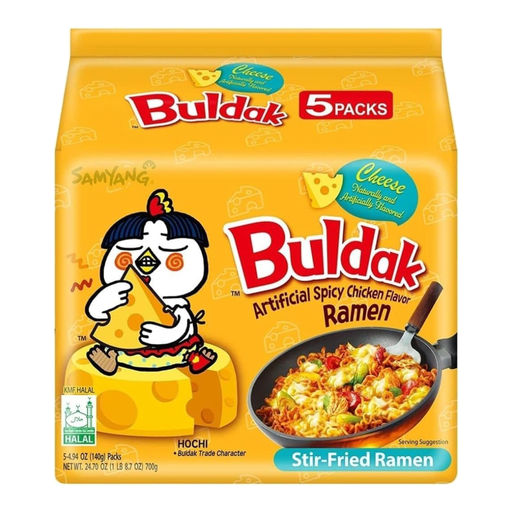
Why it suits this profile: A five-pack is a handy way to try spicy Buldak noodles with a cheese flavour without committing to a large stock-up.
The number of portions and the flavour are clearly stated. Be sure to check the label for the latest allergen information.
Five 140-gram portions; a combination of chicken and cheese flavours; contains wheat, soya and sesame.
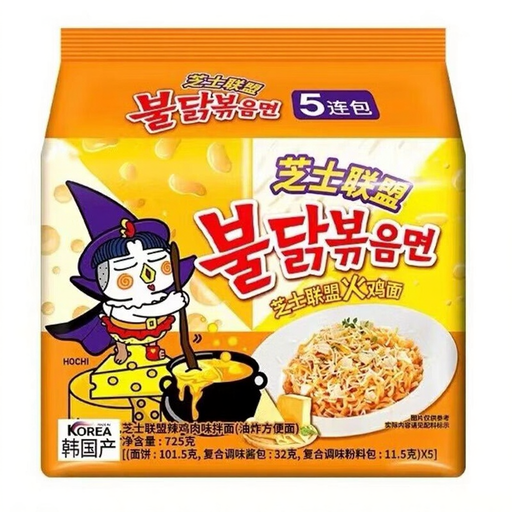
Why it suits this profile: This variety combines a spicy sauce with a four-cheese blend, with a larger 145-gram portion.
The product information lists the sauce and cheese powder separately, making it easier to gauge the flavour profile.
Five 145-gram portions; mozzarella and cheese powder; prepared as dry, mixed ramen.
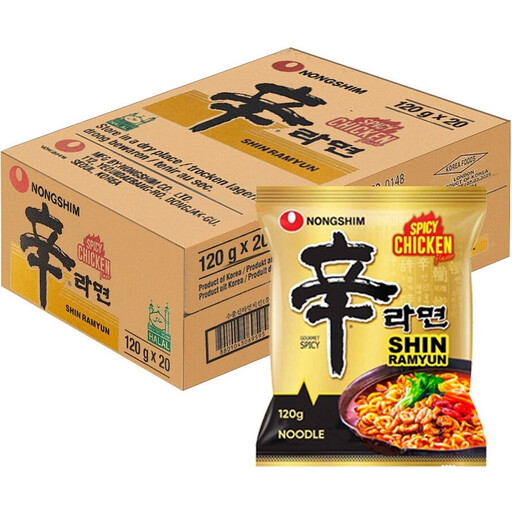
Why it suits this profile: The box of twenty portions is ideal for regular ramen eaters, student households and anyone who likes to stock up.
This is noodle soup with seasoning powder and dried vegetables, not a dry stir-fried variety. It’s prepared quite differently from Buldak.
Twenty 120-gram portions; firm wheat noodles; broth with spices, soya paste and vegetable flakes.
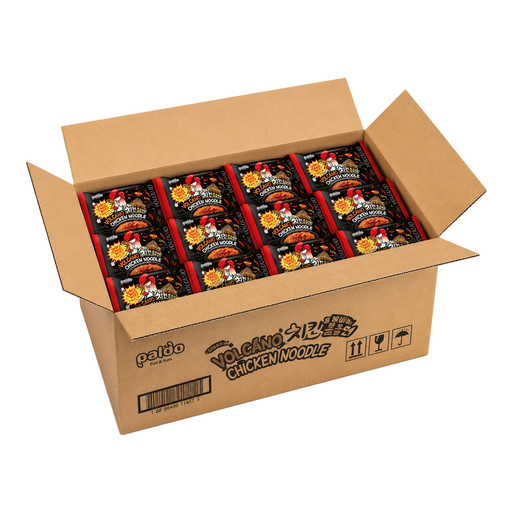
Why it suits this profile: This pack is aimed at people looking for a fiery chicken flavour who are used to stir-fried noodles with sauce.
The instructions say to cook the noodles, rinse them in cold water and then mix them with the sauce. That way, you won’t mistake them for noodle soup.
Four packs of four portions; 140 grams per portion; sweet and spicy sauce with chicken flavouring, sesame and seaweed.
We’ve put together a complete, up-to-date list of products that meet these strict selection criteria and the applicable European safety regulations.
No. Many Korean ramen varieties are spicy, but the intensity varies depending on the sauce, broth and amount of seasoning. Buldak and Volcano are generally described as very spicy in the product information. A chicken noodle soup with seasoned broth may have a different flavour profile. Check the label and, for dry noodles, try adding only some of the sauce to begin with.
Cook the noodles according to the instructions on the pack. With several Samyang Buldak varieties, you then drain off most of the water and mix the noodles with the sauce and powder. If in doubt, follow the cooking instructions on the pack, as they can vary between varieties.
The best-before date is shown on the individual pack or outer packaging. Store the noodles in a cool, dry place away from direct sunlight. Only buy a large pack if you’ll use the portions before the stated date, and check the packaging for damage when it arrives.
