
Vandaag of morgen in huis

Kwaliteit gegarandeerd

Welkomstaanbiedingen ontgrendelen: GRATIS bezorging | Tot 80% korting | Gratis 30 dagen JoyPlus-proefperiode
Download de app
Asian noodles come in many varieties, from Korean noodles with spicy sauce to Japanese udon, Chinese noodles, rice noodles and glass noodles. With so much choice, it is not always easy to decide. Eye-catching packaging tells you little about portion size, cooking time or salt content.
So pay close attention to the information on the label. This helps you avoid buying a multipack that is too large, choosing a noodle soup that does not suit your taste, or picking a product containing allergens you need to avoid.
Instant noodles are usually quick to prepare, but the method varies. Some products need to be cooked in a pan, others are covered with boiling water, and others, such as certain udon bowls, are suitable for the microwave. So check:
For example, Chunsi Buckwheat Noodles need to be boiled for 4 to 5 minutes and, according to the product information, are not intended to be eaten raw. Suki udon, on the other hand, is pre-cooked, making it quick to prepare.
Spicy noodles can vary greatly in flavour. According to the product description, Buldak noodles combine a creamy carbonara flavour with chilli, while Shin Ramyun comes with a savoury broth. Mi Goreng is not a noodle soup; it is served dry, tossed with oil, sweet soy sauce and seasonings.
So do not rely on words such as “spicy” or “hot” alone. Check whether you are looking for a dry sauce, broth, tangy note, sweet flavour or creamy taste. With some products, you can adjust the amount of chilli sauce, but not every recipe is designed for this.
A noodle multipack is handy for students, families, catering businesses or anyone buying in bulk, but pay attention to the total quantity and shelf life. A pack of 20 x 120 grams takes up more storage space than a single portion. If you are buying a bulk pack, it is also a good idea to check in advance:
The type of noodle has a big impact on the eating experience:
According to the product specification, Chunsi Buckwheat Noodles are made from 84% wheat flour and 15% buckwheat flour. They are therefore suitable for soups, stir-fries, salads and cold noodle dishes, but they do contain gluten.
Instant noodles or a ready-to-eat bowl are handy for a quick lunch. For a meal made with ingredients of your choice, plain dried noodles without an extensive seasoning mix are often more versatile. Also check whether the sauce needs to be cooked with the noodles or added after draining.
Samyang Buldak Carbonara noodles are combined with a sauce and powder mix. The packaging for Nongshim Shin Ramyun says the noodles should be boiled for around 4 to 5 minutes. According to the product information, Jinba Wei udon is prepared in the microwave and contains dried vegetables and sesame, among other ingredients.
Always check the current packaging, especially if you have a food allergy. Many Asian noodles contain wheat and gluten. Some varieties also contain soya, milk, sesame, peanuts, mustard, crustaceans and sulphites.
Nutritional values can vary considerably between brands and flavours. For example, Samyang Buldak Carbonara contains 2,6 grams of salt per 100 grams, while Nongshim Shin Ramyun lists 5,6 grams. Bai Jia Chenji Sichuan glass noodles list 8,0 grams of salt per 100 grams. These values are per 100 grams, so also check the weight of the full portion.
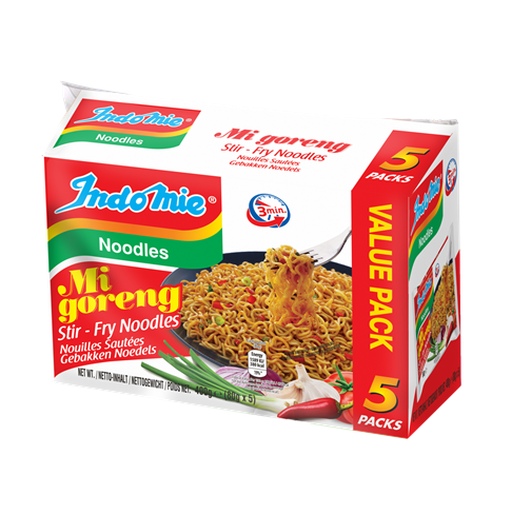
Why it suits this profile: The pack contains five 80-gram portions, making it a good choice if you want to try an Indonesian flavour without buying in bulk. Mi Goreng is served dry, not as a noodle soup.
The product information clearly states the portion size, the five individual packs and the flavour components, including sweet soy sauce and chilli powder.
Five individual portions, ready in minutes, with a dry sauce made with oil, seasonings and soy sauce.
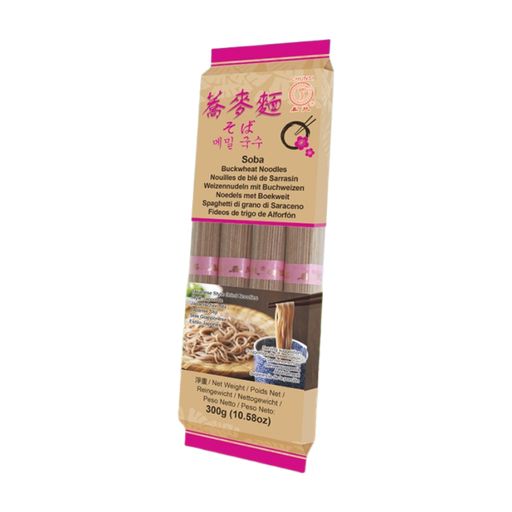
Why it suits this profile: These noodles are a good choice for cooks who want to create their own soups, salads or stir-fries and prefer to look for a short ingredients list.
The preparation method, ingredients and gluten allergen are specified. This makes it clear that the noodles need to be cooked and should not be eaten raw.
300-gram pack, 15% buckwheat flour according to the product specification, and suitable for hot and cold dishes.
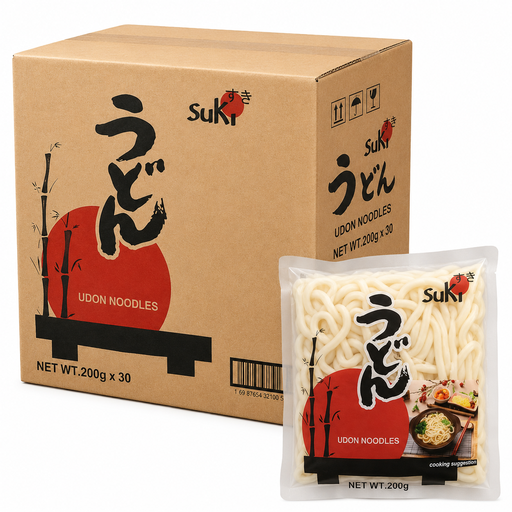
Why it suits this profile: This bulk pack is aimed at families, parties, meal preppers and catering businesses that use Japanese noodles regularly.
The total quantity is clearly stated: 30 packs of 200 grams, adding up to 6,000 grams. This makes it easier to match your stock to your usage.
Pre-cooked udon, with wheat flour as the main ingredient, suitable for soups, salads and stir-fries.
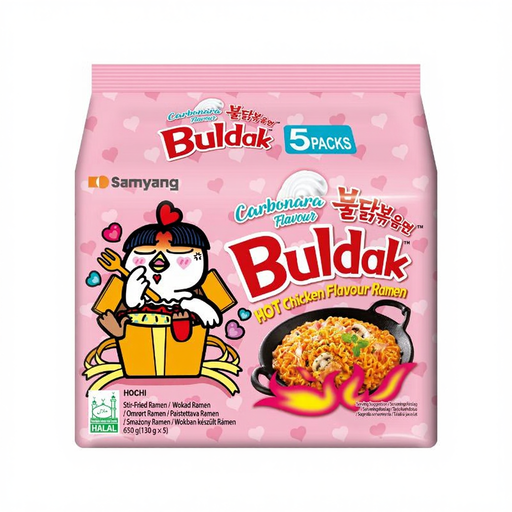
Why it suits this profile: This multipack is for anyone who already knows they enjoy a combination of spicy sauce and creamy carbonara flavour.
The flavour profile and allergens are clearly described: the product contains gluten, soya and milk, among other ingredients. The pack contains five 130-gram portions.
Five-pack multipack, firm wheat noodles and a separate sauce and powder mix for a distinctive preparation.
We have put together a complete, up-to-date list of products that meet these strict selection criteria and the applicable European safety requirements.
Instant noodles, pre-cooked udon and noodle bowls are handy when preparation time matters. Check whether you need a pan, boiling water or a microwave. Ramen with soup usually needs water added, while Mi Goreng is served without broth.
Store dried noodles in a cool, dry place, away from direct sunlight and moisture, following the instructions on the packaging. Seal opened packs securely and do not use a product if the packaging is damaged, bulging or leaking. Always check the current packaging for the best-before date.
This varies by product. Wheat noodles often contain gluten, while sauces regularly contain soya or sesame. Some varieties also contain milk, peanuts, mustard, crustaceans or sulphites. So check the full ingredients list and allergen information before buying; product information may be updated.
