
Vandaag of morgen in huis

Kwaliteit gegarandeerd

Welkomstaanbiedingen ontgrendelen: GRATIS bezorging | Tot 80% korting | Gratis 30 dagen JoyPlus-proefperiode
Download de app
A pack of Korean instant noodles might seem simple to choose: look at the flavour, the number of servings and the price. Yet there are clear differences between Korean ramen, instant ramen and noodle products with sauce. If you rely solely on eye-catching packaging or a promise of “authentic” flavour, you could end up with noodles that are too spicy, contain allergens, or turn out to be less suitable for everyday use.
1. Confusing spiciness with flavour
Terms like “hot chicken” and images of red chillies don’t tell you exactly how intense the flavour experience will be. Buldak ramen and some Shin Ramyun varieties contain concentrated chilli sauce or spice blends. If you’re less accustomed to spicy food, it’s better to start with a product where you can use only some of the seasoning.
2. Buying a multipack without checking the portion size
A pack of six, ten or twenty sachets might look like good value, but always check the weight per portion. A 120 g sachet and a 68 g cup are not directly comparable. Also look at the best-before date and storage instructions. Instant noodles should be stored in a cool, dry place away from direct sunlight.
3. Not checking “vegetarian” or “kimchi” products for ingredients
A product name doesn’t always give you the full picture of allergens or ingredients. Some seasoning mixes contain, for example, fish, prawns, milk, egg, soya or mustard. With kimchi noodles, the flavour may be recreated using spices and dried vegetables, but the exact composition varies from product to product. So read the packaging before you order, especially if you have an allergy or dietary requirement.
Korean noodle soup, such as Nongshim Shin Ramyun, is prepared in boiling water with a seasoning sachet. Chapagetti and jjajangmen work differently: the noodles are usually drained and then mixed with a black bean sauce. Korean cold noodles are cooled after cooking and served with a sweet-and-sour soup, sauce and sometimes sesame or chilli oil.
So think about where you want to use the product. In the office, a cup or soup variety is practical; at home, you can easily add vegetables, egg or kimchi to a sauce variety.
Most instant ramen is ready in around four to five minutes, but check the instructions on each pack. According to the product description, Shin Ramyun requires around 4.5 minutes of cooking with approximately 550 ml of water. For cold noodles, the process can involve several steps: cooking, rinsing, cooling and mixing.
A shorter preparation time is handy for students and busy shoppers, but it says nothing about the flavour or nutritional value. Also check whether you need a pan, bowl, kettle or microwave. A cup product shouldn’t automatically be put in the microwave; always follow the label.
Pay attention to the EU allergen declaration. The product information for various Nongshim noodles lists, among other things, wheat, gluten and soya. For Chapagetti, egg, sesame and crustaceans are also mentioned. According to the product information provided, Samyang Buldak Carbonara contains gluten, soya and milk.
Nutritional values can vary by variety and pack. Some product pages show values per 100 g of dry product, others per portion. So compare the same unit of measurement. Pay particular attention to salt, saturated fat and portion size. The packaging remains the leading source when information on a product page differs or has been updated.
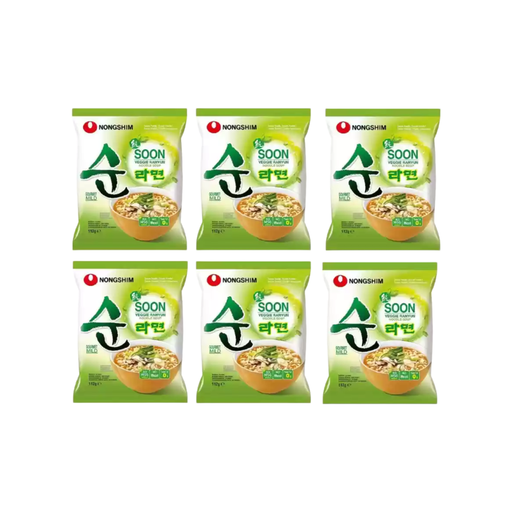
Why this fits the profile: A pack of six portions is manageable for anyone trying Korean noodles for the first time or looking for a small supply for home and the office. The vegetable and mushroom flavour is less specific than a sauce variety.
The six-pack format stops you from buying a large bulk pack straight away without knowing the flavour first. Do check the current allergen information on the label.
Six portions of 112 g; preparation time of around four to five minutes; made in South Korea according to the product information.
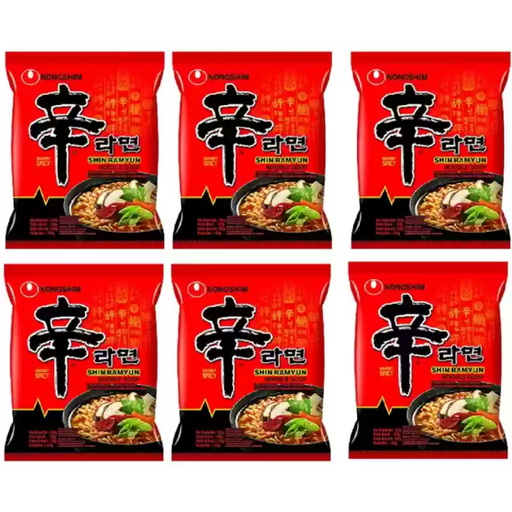
Why this fits the profile: Ideal for fans of a classic spicy Korean noodle soup with a clear broth base. The six individual portions are useful for a meal at home or a supply in the cupboard.
The product information clearly states a preparation time of around 4.5 minutes and warns that the contents are very hot. This lets you estimate the portion and preparation in advance.
Six sachets of 120 g; separate seasoning and noodle components; can be combined with egg, vegetables or meat to your own taste.
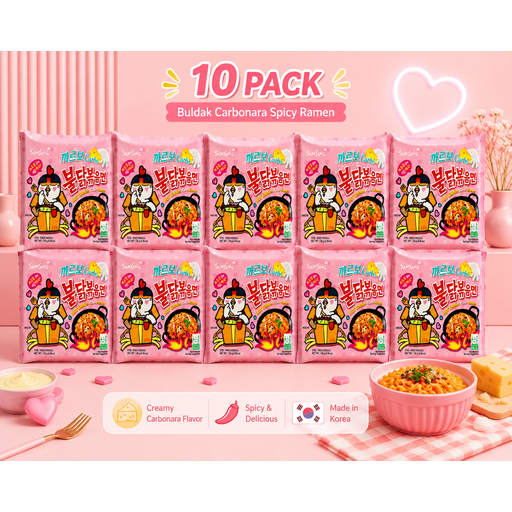
Why this fits the profile: A logical choice for shoppers specifically looking for Buldak ramen with a creamy carbonara style and a generous portion. The ten-pack is intended for regular use.
The flavour direction and contents are clearly stated: spicy chicken flavour, carbonara powder and milk components. Check beforehand whether this intensity and these allergens suit you.
Ten sachets of 130 g; sturdy noodles for stir-fry preparation; product information states 423 kcal and 2.6 g of salt per 100 g.
If you don’t want a broth, you can choose Chapagetti. This Nongshim variety combines sturdy noodles with a savoury black bean sauce. The product information doesn’t mention any extra spicy seasoning mix and lists vegetables or kimchi as possible additions. Packs of one, six, ten and twenty portions are available. With Chapagetti, do check the listed allergens, including wheat, soya, egg, sesame and crustaceans.
We’ve put together a full, up-to-date list of products that fully meet these strict selection criteria and comply with current European safety regulations.
Follow the instructions on the pack. For many soup varieties, you cook the noodles for four to five minutes in around 500 to 550 ml of water and add the seasoning mix. Sauce noodles are often drained before the sauce is mixed in. Use the stated amount of water for the desired texture.
The best-before date is on the pack. Store unopened products in a cool, dry place away from direct sunlight. Don’t use sachets or cups where the packaging is damaged. Once prepared, it’s best to eat instant ramen straight away.
This varies by variety. Some products are offered as vegetarian or vegan, while others contain fish, crustaceans, chicken flavour, milk or egg. Always check the ingredients list and allergen declaration on the packaging. Claims from a brand about suitability are no substitute for your own check of the label.
