
Vandaag of morgen in huis

Kwaliteit gegarandeerd

Welkomstaanbiedingen ontgrendelen: GRATIS bezorging | Tot 80% korting | Gratis 30 dagen JoyPlus-proefperiode
Download de app
Korean instant noodles are ideal for a quick meal, student kitchen or well-stocked cupboard. However, not every pack is suitable for every diner. The difference is not just in the brand name, but also in the preparation method, heat level, portion size and ingredients.
Terms such as hot, spicy and Buldak provide a clue, but they do not tell you exactly how a product tastes. Some Korean ramen varieties have a robust broth with garlic, pepper and mushroom. Others are prepared with very little liquid and get most of their flavour from a concentrated sauce.
If you are expecting a classic Korean noodle soup, you may therefore be disappointed by a stir-fry variety such as Chapagetti or Buldak Carbonara. First check whether you are buying soup noodles, stir-fry noodles or cold noodles.
A box containing 20 sachets may seem like good value, but the amount per portion varies. Many packs contain 120 or 137 grams per sachet, while a smaller pack may contain five or six portions. Compare the price per 100 grams, rather than just the price of the box.
A large multipack of instant noodles is particularly suitable for households, offices and regular ramen fans. For a first taste, a pack containing five or six portions is more practical.
Korean instant noodles often contain wheat and soya. Depending on the flavour, they may also contain milk, mustard, sesame, fish, shellfish, egg or celery. Neoguri, for example, contains seafood ingredients, while Buldak Carbonara lists milk ingredients among others.
The product information on a webshop is useful as an initial check, but the packaging in your hands is the definitive source. Ingredients and packaging may change. Always read the label, warnings and preparation instructions before consuming the product.
Pay attention to the amount of water. Approximately 500 ml is specified for Nongshim Shin Ramyun, while some cup noodles only need to be filled with boiling water up to the indicated fill line. Many sachet varieties take around 4 to 5 minutes to prepare, but always follow the instructions on the pack.
Choose according to the flavour you are looking for:
The term “spicy” is not a standardised scale. If you are unsure, start with a smaller amount of sauce or seasoning powder and add more later.
An individual sachet weighing 112 to 140 grams is convenient for one meal. A box of 20 is more efficient if you eat instant ramen regularly. Store unopened noodles in a cool, dry place, away from direct sunlight, heat and moisture. Do not use a pack if it is damaged, and check the best-before date on the packaging.
Nutritional values vary from one product to another. In the product information provided, many varieties contain around 417 to 430 kcal per 100 grams, but salt levels vary considerably. Compare the table per 100 grams, especially if you eat several portions each week.
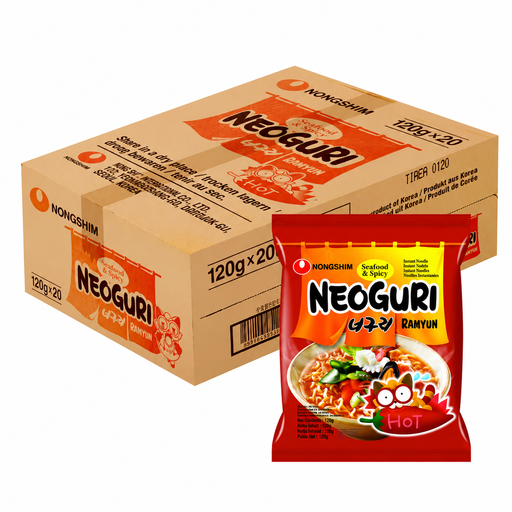
Why it suits this profile: A box containing 20 individual portions is practical for students, families and anyone who regularly eats Korean noodle soup.
The pack clearly states a preparation time of around 4 to 5 minutes and contains 20 portions, so you can see the total supply at a glance.
120 g per portion, prepared as soup and made in South Korea; the ingredients list includes seaweed, mushroom and fish ingredients, among others.

Why it suits this profile: This multipack is aimed at fans of a classic, spicy Nongshim broth who want to keep a regular supply in the cupboard.
The product is clearly described as a soup variety, and the instructions specify around 500 ml of water and a cooking time of 4 to 5 minutes.
20 sachets of 120 g, dried vegetables and a broth containing chilli, garlic, carrot and mushroom according to the product description.

Why it suits this profile: For ramen fans specifically looking for spicy Korean noodles with a sauce-like carbonara flavour instead of a classic soup.
The product name and description make it clear that this is Buldak Carbonara with sauce. That way, you will not expect a clear noodle broth.
10 sachets of 130 g; the ingredients list includes milk ingredients, soya and wheat. Check the label if you have allergies.
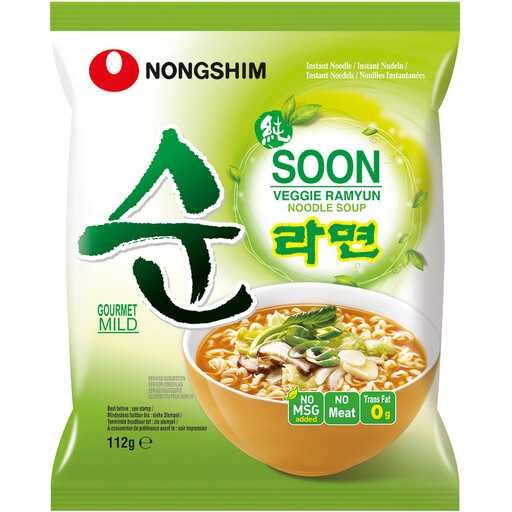
Why it suits this profile: The savoury flavour and vegetable mix appeal to anyone looking for an alternative to very spicy Shin Ramyun or Buldak.
The product information highlights a savoury flavour and dried vegetables, rather than positioning the product solely around extreme heat.
112 g per pack, with pak choi and carrot in the vegetable mix; the allergen information lists wheat and soya.
We have put together a complete, up-to-date list of products that fully meet these strict selection criteria and the applicable European safety regulations.
It depends on the type. Usually cook soup noodles for 4 to 5 minutes in the specified amount of water, then add the seasoning powder. With stir-fry noodles, drain the cooking water before mixing in the sauce. Cup noodles are generally prepared by adding boiling water up to the fill line. Always follow the instructions on the packaging.
Store unopened instant noodles in a cool, dry place away from direct sunlight. The exact best-before date is printed on the packaging. After preparation, it is best to eat the noodles straight away. Do not leave an opened sachet loose in a damp cupboard.
That varies by product. A product with “veggie” in its name is not automatically suitable for every diet. Check the ingredients and allergens on the packaging. Some varieties contain fish, shellfish, milk, soya or chicken flavouring. If you are looking for a specific formulation, check both the product page and the current label.
