
Vandaag of morgen in huis

Kwaliteit gegarandeerd

Welkomstaanbiedingen ontgrendelen: GRATIS bezorging | Tot 80% korting | Gratis 30 dagen JoyPlus-proefperiode
Download de app
Korean instant noodles are ideal for a quick lunch, late-night snack or store-cupboard meal. Yet many packets look more similar than they actually are. Differences include spice level, preparation method, portion size, salt content and allergens. If you rely only on the picture or words such as “authentic”, you could end up choosing a product that does not suit your taste or how you intend to use it.
This buying guide will help you compare Nongshim instant noodles, Shin Ramyun, kimchi noodles and other Korean ramen more effectively.
The description spicy instant noodles is not standardised. One variety may mainly feature a flavoursome broth, while another combines a sharp chilli taste with garlic, pepper or a creamy sauce. The product information describes Shin Ramyun as a flavoursome soup containing red chilli, garlic, mushroom, carrot and onion, among other ingredients. This gives you a clear idea of the flavour direction, but does not indicate exactly how spicy you will find it.
New to Korean ramen? Do not add the entire sachet of seasoning straight away. You can always increase the amount later.
An instant noodle multipack is convenient for students, families and offices, but always compare the price per portion. A box of 20 packs also requires enough dry, cool storage space. Check the best-before date on the packaging too. Product information and packaging may change, so always check the current label before use.
A packet of noodle soup is generally prepared in a saucepan, while a cup is filled with boiling water. Some dry Korean noodles need to be drained after cooking and then mixed with sauce. Follow the water quantity and standing time shown on the packaging. “Ready in a few minutes” does not mean the same thing for every product.
First, decide what type of meal you are looking for:
Brand descriptions of flavour are not an objective guarantee. Treat them as an indication and pay particular attention to the ingredients and preparation method.
A 120-gram packet is suitable when you are cooking in a pan at home and adding extra ingredients. A 100-gram cup is more convenient at the office or on the go, as you do not need a saucepan. If you use instant noodles regularly, a box containing 20 portions may be worth considering. Make sure you will use the noodles within a reasonable period and that the storage area stays dry.
Many Korean instant noodles contain wheat and soya. Depending on the variety, they may also contain fish, crustaceans, mustard, sesame, milk, egg or nuts. For example, the product information for Nongshim Kimchi mentions fish from anchovies. The stated nutritional values vary by product and sometimes by pack size too.
Pay particular attention to:
A product description may be incomplete. The current packaging takes precedence.
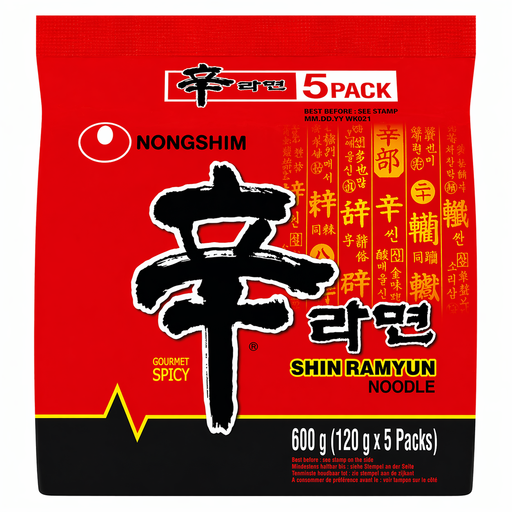
Why this suits the profile: A pack of five packets is a manageable choice if you want to try Korean ramen without buying a large box straight away.
The portion size and preparation method are clearly described. However, check the current ingredients and allergens on the packaging.
Five individual 120-gram portions; according to the product information, ready in approximately 4 to 5 minutes.
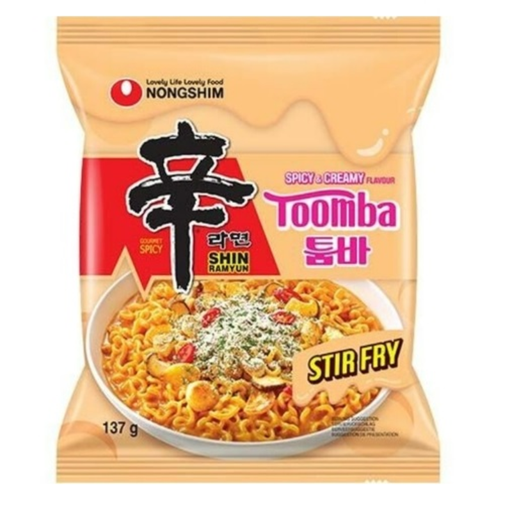
Why this suits the profile: This variety is designed for those who want a fuller flavour and a different texture as well as spiciness.
The separate seasoning powder and paste sachets make the flavour profile clear; this is not a standard clear noodle soup.
137 grams per portion; the product information lists a combination of seasoning powder and seasoned paste.
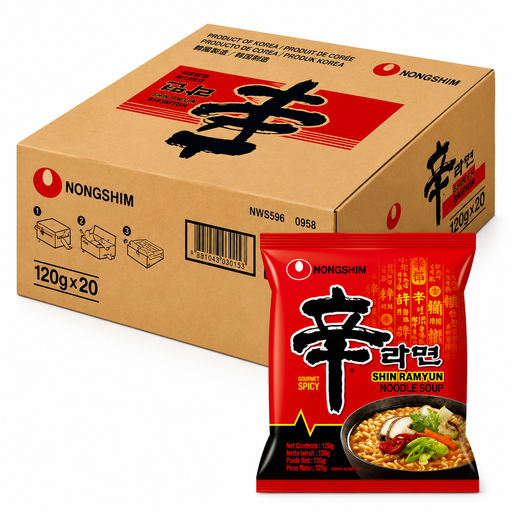
Why this suits the profile: Suitable for households, shared student accommodation and offices that want to keep a quick Asian meal in stock regularly.
The box contains individual packs, so you can store the portions separately. Compare the price per packet in advance.
20 portions of 120 grams; according to the product information, prepare with approximately 500 ml of water in 4 to 5 minutes.
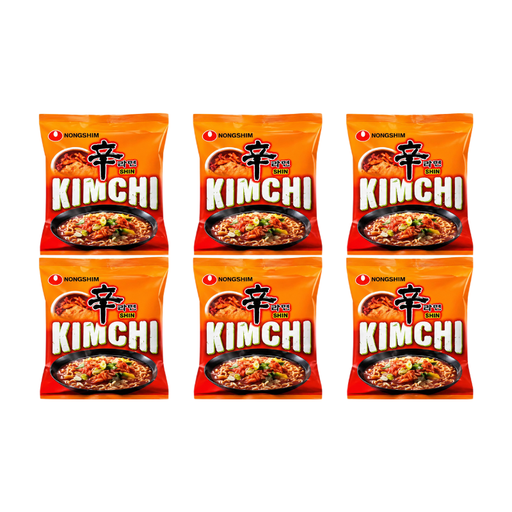
Why this suits the profile: A natural choice for anyone looking for a tangy, seasoned flavour rather than just a classic chilli broth.
The product information explicitly mentions kimchi flakes and dried vegetables. Check the stated fish and soya allergens before buying.
Six individual 120-gram portions with kimchi flakes, pak choi, carrot and spring onion, according to the product description.
We have put together a complete, up-to-date list of products that fully meet these strict selection criteria and the applicable European safety regulations.
For a packet of Korean noodle soup, you will usually need a saucepan and the quantity of water stated on the label. Add the noodles and seasoning once the water has come to the boil, then stir during cooking. Prepare a cup by adding boiling water up to the indicated fill line. Put the lid on and wait for the stated 3 to 5 minutes.
For a more substantial meal, add an egg, spring onion, pak choi, mushrooms or tofu, for example. Allow for the extra cooking time and make sure all ingredients are heated through properly.
No. The level of spiciness varies by flavour and brand. Shin Ramyun, Kimchi and Toomba each have a different seasoning profile. Start with part of the seasoning mix if you are not used to spicy flavours.
Follow the best-before date on the individual packaging. Store unopened noodles in a cool, dry place away from direct sunlight. Do not use a pack if it is damaged. Once prepared, noodles are best eaten straight away.
Shin Ramyun is a classic spicy Korean noodle soup with broth. According to the product information, Shin Ramyun Toomba contains seasoning powder and seasoned paste, giving this variety a richer flavour profile. Always check the current ingredients list, especially if you have allergies.
