
Vandaag of morgen in huis

Kwaliteit gegarandeerd

Welkomstaanbiedingen ontgrendelen: GRATIS bezorging | Tot 80% korting | Gratis 30 dagen JoyPlus-proefperiode
Download de app
Korean instant noodles are popular with students, busy professionals and lovers of spicy food. Yet the difference between Korean ramen, Buldak ramen, kimchi noodles and other Asian instant noodles can sometimes seem smaller than it really is. After all, attractive packaging does not always tell you what you are getting.
When buying, pay particular attention to the preparation method, portion size, spiciness and allergens. This helps you avoid buying a multipack that does not suit your taste or kitchen routine.
Terms such as “hot”, “spicy” and “fire” give you an indication, but they do not form a standard European scale. One spicy noodle product may contain a soup powder, while another uses a concentrated chilli sauce. With Buldak ramen, for example, the sauce is mixed through the noodles after cooking. This creates a different taste experience from a Korean noodle soup in which the powder is added to the cooking water.
Practical tip: check whether the product is a soup, dry stir-fried noodle or cup noodle. Also check whether you can add some of the sauce separately so you can adjust the intensity.
A box containing 20 or 24 portions is convenient for stocking up, but only if you genuinely enjoy the flavour and have enough dry storage space. Therefore, compare the price per portion, total net weight and best-before date. A large pack of instant noodles is particularly practical for households, shared student accommodation and people who regularly eat ramen.
Many Korean instant ramen products contain wheat, soya or fish. Creamy varieties may also contain milk. Nutritional values vary by product: Nongshim Kimchi Instant Noodle Soup, for example, lists 4.8 grams of salt per 100 grams in the supplied product information, while the 20-pack Shin Ramyun lists 5.6 grams. Always check the packaging label, as recipes and packaging information may change.
For a quick lunch at the office, cups such as NISSIN Cup Noodles Spicy Seafood Flavour are practical: according to the product information, you add boiling water and leave the cup to stand for three minutes. Other instant ramen products require cooking in a pan, such as Shin Ramyun, which uses approximately 500 ml of water and has a preparation time of around four to five minutes.
Dry spicy noodles, such as Buldak Carbonara, are generally cooked and then mixed with sauce. Paldo Jjajangmen also requires draining and rinsing before you add the sauce. Choose according to the time and kitchen facilities available to you.
A portion of 120 to 137 grams is standard for Korean ramen. A five-pack is suitable for individual use, while a box of 20 is more geared towards stocking up. For a household, it is sensible to alternate between different flavours, for example a kimchi noodle soup alongside a dry, sweet-and-spicy variety.
Check the following before buying:
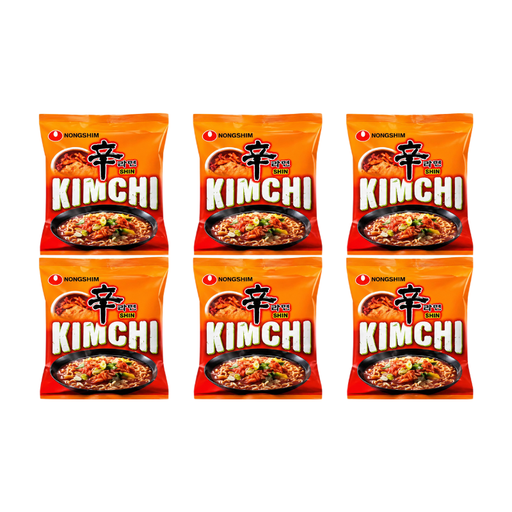
Why it suits this profile: A multipack with six portions is a manageable choice for anyone wanting to try Korean kimchi noodles without immediately buying a large box.
The packaging clearly states the number of portions. According to the product description, the flavour comes from kimchi and vegetable flakes in a soup base.
Six 120-gram portions; according to the ingredients list, contains wheat and soya, among other ingredients.
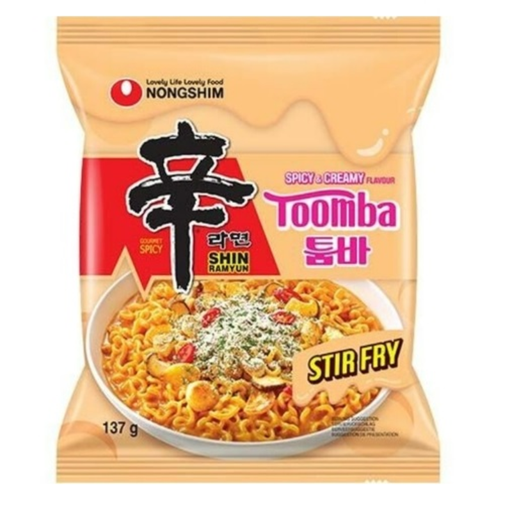
Why it suits this profile: The combination of a rich, spicy flavour and a Toomba-style sauce appeals to ramen lovers looking for something different from standard stock.
The product information lists separate sachets of seasoning powder and seasoning paste, so you can follow the preparation method and quantities.
137 grams per pack; according to the product information, contains wheat, soya and milk, as well as possible traces of several allergens.
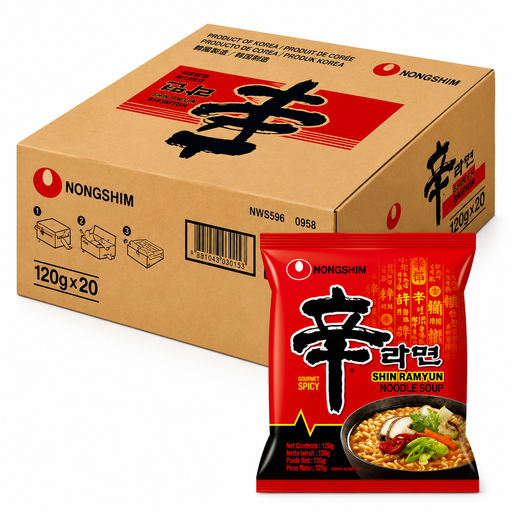
Why it suits this profile: The box of 20 portions is ideal for frequent eaters, shared households and anyone wanting to build up a regular supply of Korean ramen.
The box clearly states that it contains 20 individual 120-gram packs. Before ordering, however, check your storage space and the date on the packaging.
20 portions; according to the product information, ready in around four to five minutes and suitable for combining with egg or vegetables.
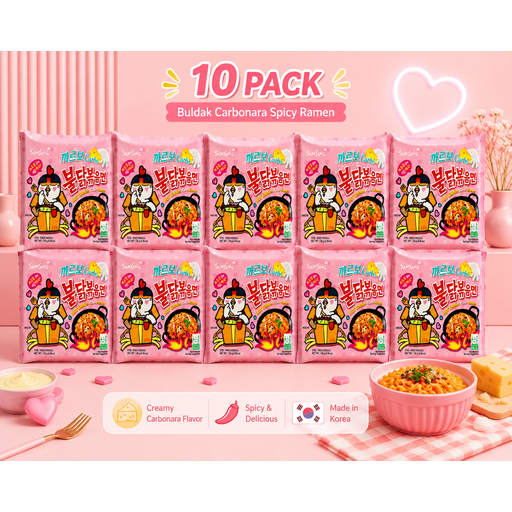
Why it suits this profile: The ten portions are suitable for Buldak ramen fans who regularly want to prepare a dry, sauce-rich and spicy meal.
The product description makes it clear that this is a sauce-based variety, not a standard Korean noodle soup. This means you can assess the preparation method in advance.
10 packs of 130 grams; carbonara-style powder containing milk and cheese ingredients according to the ingredients list.
We have compiled a complete, up-to-date list of products that fully meet these strict selection criteria and the applicable European safety regulations.
Follow the instructions on the current packaging. With many noodle sachets, you cook the noodles in water for a few minutes and then add the soup or seasoning powder. With Buldak-style spicy noodles, you generally drain the water and then mix the sauce through the noodles. For cups, use the stated amount of boiling water and the specified standing time.
The best-before date is shown on the packaging. Store unopened products in a cool, dry place away from direct sunlight. Once prepared, instant noodles are best eaten immediately. Do not use a pack if it is damaged and, if in doubt, always check the label.
This varies by flavour and brand. Some product descriptions state that a variety is vegetarian, but ingredients such as chicken flavouring, fish, milk or shellfish may still be relevant. There is also no general halal status covering all Korean ramen. Therefore, check the official packaging and any certification before ordering.
