
Vandaag of morgen in huis

Kwaliteit gegarandeerd

Welkomstaanbiedingen ontgrendelen: GRATIS bezorging | Tot 80% korting | Gratis 30 dagen JoyPlus-proefperiode
Download de app
Korean instant noodles are ideal for a quick lunch, late-night snack or low-effort store cupboard. However, the online selection often looks simpler than it really is. Packaging featuring large words such as “hot”, an appealing multipack and a photo of a generously filled bowl do not always tell you enough about the flavour, preparation method or allergens.
Joybuy Product Recommendation Officer therefore filters the most important product information in a practical way. This makes it easier to compare Korean ramen based on packaging, preparation method, ingredients and occasion.
“Hot”, “spicy” and “fire chicken” are commercial flavour descriptions. They do not represent a uniform, verifiable spice scale. A chilli soup may be perceived differently from a stir-fry variety with concentrated sauce.
Pay close attention to the preparation method:
A ramen multipack can be useful for students, families or catering customers, but always compare the number of servings and total weight. A box containing 20 packs of 130 grams is a different purchase from five bags of 120 grams. Also consider whether you really want to eat the same flavour several times.
The packaging shown in a product photo may differ from the current labelling. According to the product information, the packaging and materials may contain more or different information from what is displayed on the website. Always check the label, ingredients, allergens, nutritional values, preparation method and best-before date before consuming the product.
For a single meal, the products mentioned weigh approximately 68 to 142 grams per pack. Well-known examples include:
A cup is convenient in the office or on the go, as you only need hot water. Bagged noodles often give you more freedom to add toppings and are suitable when you are using a pan at home.
For soup varieties, the seasoning powder is generally added during cooking. The product information for Nongshim Shin Ramyun, for example, specifies approximately 550 ml of water and a cooking time of 4 to 5 minutes. With stir-fry noodles, such as Shin Ramyun Kimchi Stir-Fry, the noodles are cooked first, then drained and mixed with sauce.
These differences affect:
Many Korean noodles contain wheat or gluten and soya. Depending on the variety, they may also contain milk, sesame, fish, crustaceans, egg, celery, mustard or nuts. According to the product information provided, Nongshim Neoguri contains fish and crustacean ingredients, among others. Samyang Buldak Carbonara lists milk, soya, wheat and celery as allergens.
So do not look only at the flavour name. If you have a food allergy or dietary requirement, the label is the definitive source. Even when a product description describes a variety as vegetarian, you should still check the current packaging.
The products mentioned provide roughly 370 to 442 kcal per 100 grams, depending on the recipe and flavour. Salt content also varies. NongShim Kimchi Ramyun, for example, lists 4.8 g salt per 100 g, while Samyang Buldak Carbonara lists 2.6 g per 100 g. These are product specifications from the information provided; check the packaging for the latest values.
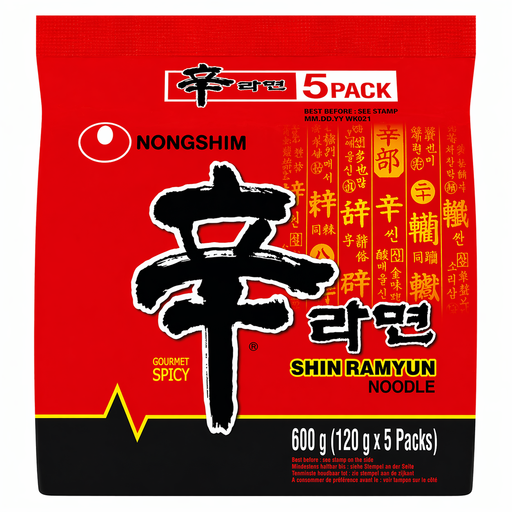
Why it suits this profile: A straightforward multipack with five servings is a good way to try Korean ramen at home without ordering a large box straight away.
The number of servings and the weight are clearly stated. This makes it easier to compare with other packs than by relying on the product photo alone.
Five individual bags, soup preparation and 120 g per serving. According to the product information, this variety contains wheat and soya.
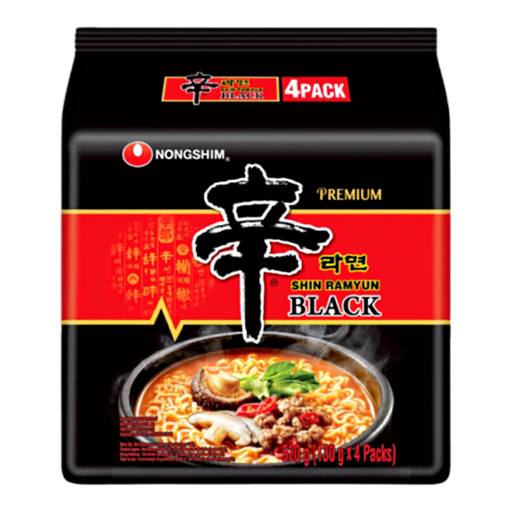
Why it suits this profile: If you are looking for a larger serving and a richer recipe, this 4-pack offers 130 g portions.
The product information lists several ingredients and allergens, including wheat, egg, sesame, soya, fish and molluscs. This supports a more informed purchase.
Four 130 g bags, soup variety and a stated nutritional value of 429 kcal per 100 g.
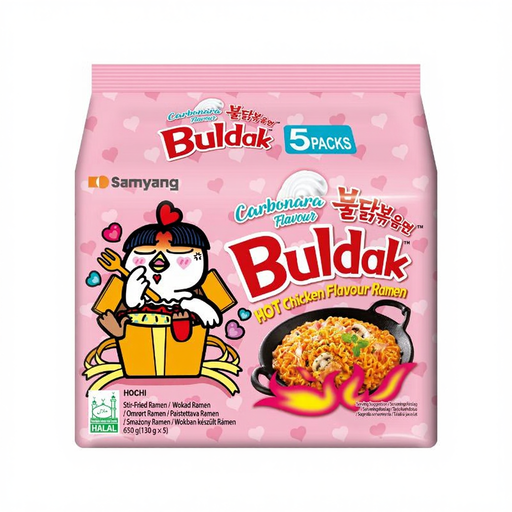
Why it suits this profile: This stir-fry variety is designed for fans of a concentrated, spicy carbonara-style sauce rather than a conventional broth.
The preparation method makes it clear that the noodles are cooked and then mixed with sauce. You are therefore not buying a soup variety in packaging that only emphasises spiciness.
Multipack of five servings, 130 g per bag and separate sauce and powder components. According to the product information, this variety contains milk, soya, wheat and celery, among other ingredients.
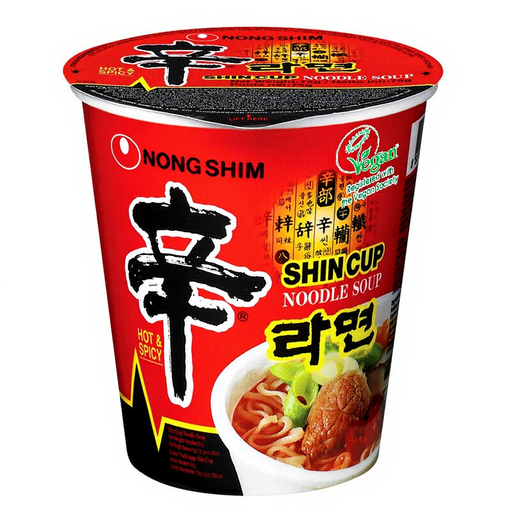
Why it suits this profile: The cup is designed to be prepared with hot water and is ideal for a short break, student accommodation or travelling.
The packaging states a clear preparation method: add water up to the fill line, wait for 3 to 5 minutes and then stir.
Compact 68 g serving, no pan required and, according to the product information, a savoury broth containing wheat and soya.
We have put together a complete, up-to-date list of products that fully meet these strict selection criteria and the applicable European safety regulations.
Follow the instructions on the packaging. Soup varieties are usually cooked for several minutes with water and seasoning powder. Stir-fry ramen is cooked, drained and then mixed with sauce. A cup is generally filled with hot water and covered for a few minutes. Only add toppings such as spring onion, egg or vegetables if they are compatible with the ingredients and your personal preference.
The best-before information is shown on the individual packaging. Store the noodles in a cool, dry place, away from direct sunlight, heat and moisture. Do not use damaged packaging, and check the date before opening a multipack.
Compare the weight per serving, preparation method, number of pieces, total weight and salt content. Also check for allergens such as wheat, soya, milk, fish, crustaceans and sesame. If you want to buy Korean noodles online, it is best to review the full product page and the current label before placing your order.
