
Vandaag of morgen in huis

Kwaliteit gegarandeerd

Welkomstaanbiedingen ontgrendelen: GRATIS bezorging | Tot 80% korting | Gratis 30 dagen JoyPlus-proefperiode
Download de app
Korean instant noodles are popular with K-food lovers, students, families and anyone who wants something hot to eat quickly. However, attractive packaging can conceal a poor purchase. A large box is not automatically better value, and a spicy rating says little about the exact flavour or ingredients.
As a Joybuy Product Recommendation Officer, I filter product information based on practical considerations. Below, you’ll find what to look for when choosing Korean instant noodles, the pitfalls to watch out for and which options suit different occasions.
A box containing lots of packs may look appealing, but always compare the price per serving and the total weight. A multipack of instant noodles is most useful when you already know you like the flavour, have enough storage space and will use the product before its best-before date.
Also consider the difference between individual packets and cups. A cup can be more convenient at the office, in student accommodation or on the go, while packets generally offer more flexibility when cooking.
Spicy Korean noodles can vary considerably. Some varieties have a chilli and garlic broth, while others are drained after cooking and mixed with a concentrated sauce. According to the product description, carbonara ramen combines a creamy sauce style with chilli and chicken flavouring. That does not mean every carbonara variety is mild.
If you are less accustomed to heat, you can use only part of the sauce or add ingredients such as egg, vegetables or tofu. Where possible, check the preparation method and ingredients list rather than relying solely on images or marketing copy.
Many Korean noodles contain wheat/gluten and soya. Depending on the variety, they may also contain milk, fish, sesame, mustard, celery or crustaceans. Always read the allergens highlighted in bold on the packaging, especially if you have a food allergy or follow a particular diet.
Also check whether you need a pan. Soup noodles are generally cooked in water, while stir-fry noodles are mixed with sauce after draining. With cups, you usually add boiling water and wait for a few minutes.
A serving can range from a smaller cup to a 140-gram packet. Look at:
A bowl such as the CUNG DÌNH Kool Korean BBQ Stir Fry Noodle Bowl contains 105 grams per item and, according to the product information, is prepared with approximately 300 ml of boiling water. The box contains 12 individual bowls.
Korean ramen is not all the same. Soup varieties, such as Nongshim Shin Ramyun, are prepared with water and seasoning powder. Stir-fry noodles are mostly drained after cooking, after which the sauce is added to the noodles. Tteokbokki, on the other hand, consists of chewy rice cakes with sauce and is not a ramen product.
Choose according to the occasion:
Instant noodles are designed for convenience and flavour. Compare the nutritional information per 100 grams and per pack. For example, the supplied product information states that Nongshim Shin Ramyun contains 5.6 grams of salt per 100 grams, while Chapagetti lists 2.0 grams. Exact values may vary by packaging or market, so use the label as your reference.
Nutritional values do not tell you everything about flavour, but they do help you compare products more fairly. If you are having a large serving, consider adding vegetables, egg or other toppings for greater variety.
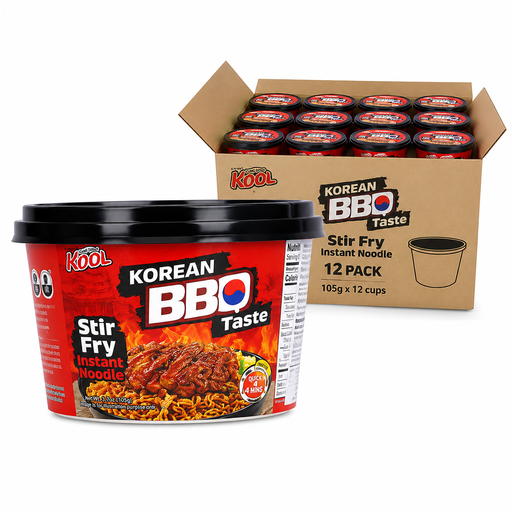
Why it suits this profile: The box of 12 bowls is practical for keeping a supply, sharing or preparing quick lunches. The Korean BBQ style is an approachable option if you are not yet sure which Korean noodles you prefer.
The number of servings and weight per bowl are clearly stated. The preparation method requires approximately 300 ml of boiling water and 2–3 minutes of standing time.
12 individual bowls, 105 grams per serving and a stir-fry style with savoury BBQ seasoning.
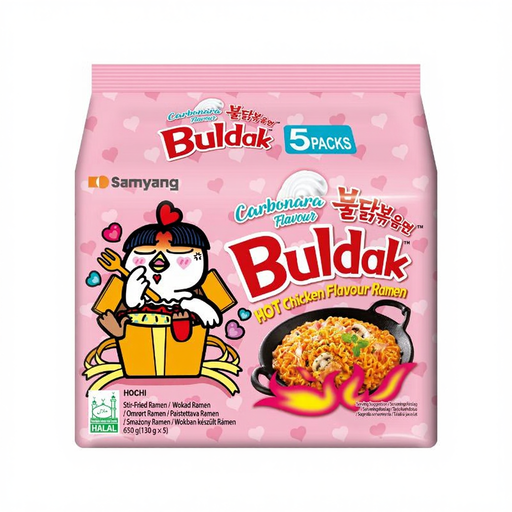
Why it suits this profile: This multipack is designed for fans of firm noodles and a creamy, spicy sauce. The packets are suitable for pan preparation and can be customised with toppings.
The packaging states that it contains 5 servings of 130 grams and includes preparation steps for cooking, draining and mixing. Do check the allergens: wheat, soya, milk and celery are listed.
Five servings, 130 grams per pack and a combination of carbonara powder with spicy sauce.

Why it suits this profile: If you eat ramen regularly or want to stock up for a household, office or shared student accommodation, 20 packets provide a generous supply of soup noodles.
It is clearly a soup variety, with a stated cooking time of approximately 4–5 minutes and 500 ml of water. The listed salt content is 5.6 grams per 100 grams, making comparisons easier.
20 servings of 120 grams, one-pan soup preparation and plenty of room for egg, vegetables or meat as toppings.
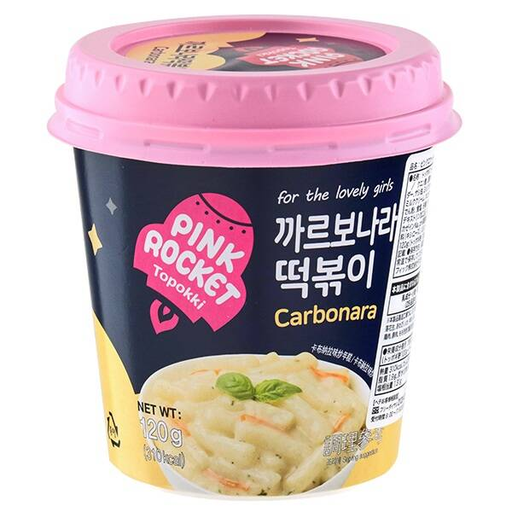
Why it suits this profile: This cup is ideal if you want to try tteokbokki as well as Korean noodles. According to the description, the rice cakes are prepared in approximately 3–4 minutes with carbonara sauce.
The product is not presented as ramen, but as tteokbokki with rice cakes. This means you know in advance that the texture differs from that of wheat noodles.
120 grams per cup, carbonara sauce and a short preparation time of approximately 3–4 minutes.
We have put together a complete, up-to-date list of products that fully meet these strict selection criteria and the applicable European safety regulations.
With a few simple additions, you can turn instant ramen into a more varied meal:
Check the allergens in toppings too. A product that appears suitable on its own may no longer meet your needs because of soya sauce, sesame or milk.
It depends on the type. Soup noodles are usually cooked for 4–5 minutes in approximately 500 ml of water. With cups, add boiling water up to the indicated line and wait for a few minutes. Stir-fry varieties are cooked, mostly drained and then mixed with sauce. Always follow the instructions on the packaging.
Unopened instant ramen should generally be stored in a cool, dry place away from direct sunlight. The exact best-before date is shown on the packaging. Once opened, use the product as soon as possible and consume prepared noodles immediately. Check the packaging for damage before using the product.
Compare weight per serving, number of packs, preparation method, flavour profile, nutritional values and allergens. Also check the country of origin and the information on the current label. This will help you find Korean noodles online more selectively, without relying solely on the packaging or popularity.
