
Vandaag of morgen in huis

Kwaliteit gegarandeerd

Welkomstaanbiedingen ontgrendelen: GRATIS bezorging | Tot 80% korting | Gratis 30 dagen JoyPlus-proefperiode
Download de app
Korean instant noodles are handy for a quick meal, but the range varies considerably in flavour, portion size and preparation. A spicy packet does not automatically mean the noodles are right for you. A large box can also be poor value if you do not know the flavour or have limited storage space.
The main pitfalls when buying Korean ramen are:
Korean noodle soup, such as Nongshim Shin Ramyun or kimchi ramen, is eaten with broth. The seasoning mix is usually added to the water while the noodles cook. With Samyang Buldak, most of the cooking water is drained off and the noodles are mixed with a concentrated sauce.
So look for the words soup, ramyun, stir-fry or hot chicken ramen in the product name and preparation instructions. A dry sauce variety is not the same as a bowl of instant ramen.
Spiciness is not indicated in the same way on every packet. Also check the ingredients: red pepper, chilli extract, habanero or chilli powder point to a more intense flavour. A carbonara variety often also contains milk powder, cheese or butter powder. According to the product description for Samyang Buldak Carbonara, the spicy sauce is combined with a creamy carbonara flavour; the exact experience is personal.
If you are less accustomed to spicy food, you could choose mild ramen, such as Ottogi Jin Ramen Mild. If you are looking for a flavoursome soup with chilli, Nongshim Shin Ramyun is a better choice. You can add egg, spring onion, sweetcorn or mushrooms, but first check that these ingredients fit your dietary requirements.
A standard packet contains approximately 112 to 140 grams for the products mentioned. A multipack of five packets is suitable if you already know the flavour and regularly eat instant noodles. For students, offices or larger households, boxes with 20 portions can be practical, but check:
Store dry noodles according to the packet instructions in a cool, dry place away from direct sunlight and moisture. Do not use a product with damaged packaging. Online product information may differ from the current packaging, so always read the label before preparation and consumption.
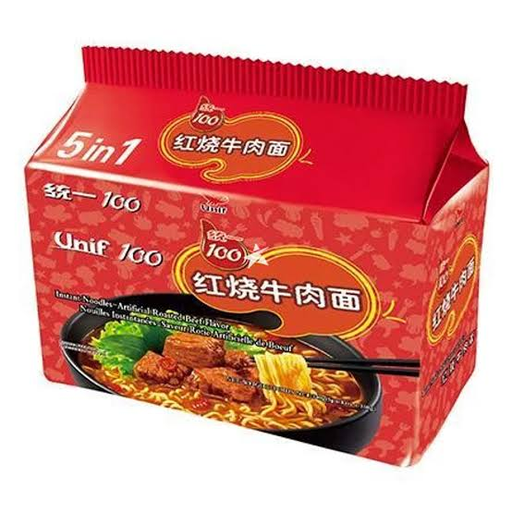
Why it suits this profile: A five-pack gives you the chance to try Korean and Asian instant noodles without immediately buying a large box. The product description states a preparation time of approximately five minutes.
It is not a large stock box, and the flavour is described as braised beef broth rather than simply as a spicy product. However, check the allergens: wheat and soya are listed.
5 × 100 g bags; classic broth style; dried vegetables included.
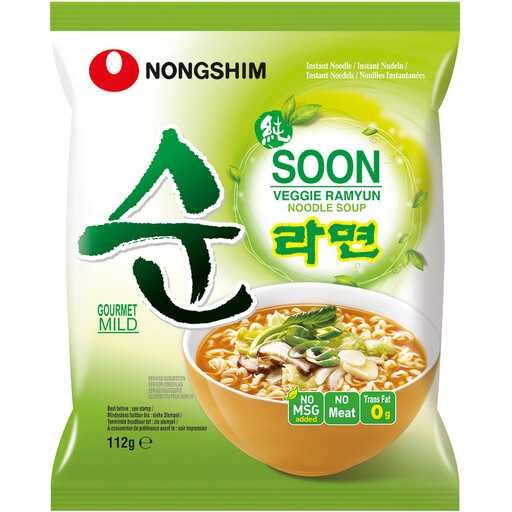
Why it suits this profile: The product description focuses on a savoury noodle soup with vegetables. This suits anyone looking for a vegetarian-oriented ramen option without carbonara sauce or a pronounced meat flavour.
The ingredients list mentions wheat and soya and also indicates possible cross-contamination. Check the label if you follow a vegan diet or have allergies; “veggie” does not automatically mean vegan.
Vegetable mix with pak choi and carrot; quick to prepare; 112 g per pack.

Why it suits this profile: This bulk pack is aimed at fans of spicy Korean noodles with a creamy carbonara flavour. The portions are 130 g and, according to the product information, are prepared as sauce noodles.
The combination of chilli and carbonara is clearly described. Check the allergens, as milk, soya and gluten are listed.
10 × 130 g portions; substantial wheat noodles; sauce and creamy powder mix included.
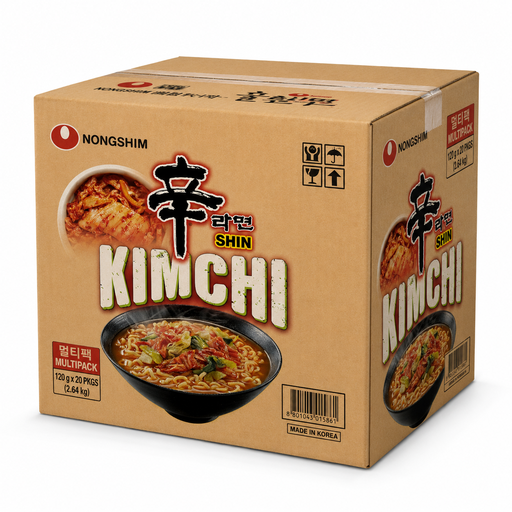
Why it suits this profile: A box with 20 portions is practical for households, student accommodation or an office stock cupboard. The flavour is described as savoury and spicy, with kimchi and vegetable flakes.
The large number of portions makes the stocking choice clear. Buy this box mainly if you already know kimchi ramen. The ingredients list includes wheat, soya, fish and mustard.
We have put together a complete, up-to-date list of products that fully meet these strict selection criteria and the applicable European safety regulations.
“Korean ramen” usually refers to Korean instant noodles, often with a firm noodle texture and a spicy broth or sauce. Instant noodles are the broader product category. So not every instant noodle is Korean, and not every Korean ramen is equally spicy.
Follow the instructions on the packet. With soup varieties, you usually cook the noodles for a few minutes in water with the seasoning mix. With Samyang Buldak-style sauce noodles, you first cook the noodles, drain off some of the water and then mix in the sauce. Take care when handling boiling water and hot contents.
Check the date and storage conditions on the packet. Unopened dry noodles generally remain suitable for consumption until the stated date when stored in a cool, dry place away from direct sunlight. Always check the packaging for damage and read the current ingredients and allergen information before use.
