
当日/次日达

品质保障

开启新人专享福利: 全场免邮 | 低至 2 折 | 免费试用 30 天 JoyPlus 会员
下载 Joybuy
Korean instant noodles are popular for their firm texture, distinctive seasoning and short preparation time. However, not every pack is suitable for every eater. A spicy sauce can be far more intense than expected, a multipack may turn out to be inconveniently large, and product information on a product page may differ from the label.
This buying guide helps you compare Korean ramen based on spice level, portion size, preparation method, allergens and pack size. That way, you can avoid a disappointing purchase and find a quick meal that suits your household.
Eye-catching packaging and terms such as “hot chicken” or “double spicy” do not tell you exactly how much heat to expect. With Samyang Buldak ramen, the focus is often on a concentrated sauce that is mixed through the noodles after draining. This produces a very different result from a mild noodle soup.
If you are mainly looking for a creamy flavour, consider Buldak Carbonara, cheese ramen or Rose varieties. If you prefer a milder broth, Ottogi Jin Ramen Mild is a more suitable choice.
An instant ramen multipack is handy for students, families and kitchen cupboards, but the pack size also affects shelf life and storage space. A box with 40 portions of 130 grams is worth considering if you regularly eat the same flavour. For occasional use, a pack of five or six sachets is more practical.
Always compare the number of portions, total weight and weight per portion. A larger box is not automatically better value if you quickly tire of the flavour or the best-before date is approaching.
Many Korean instant noodles contain wheat, gluten and soya. Creamy varieties also often contain milk, milk powder, cheese or butter powder. Sesame, celery and other ingredients may also be present.
Check the ingredients list and allergen information on the packaging before consumption. Product details can change, and the packaging you receive may contain more information than the online description.
Pay attention to the difference between:
The 130-gram Samyang Buldak Hot Chicken Carbonara should be cooked for five minutes according to the product description. Approximately 120 ml of water is then left in the pan, and the powder and oil are mixed in over a low heat. Always follow the instructions on the packaging, as they may vary between varieties.
A 120- to 140-gram sachet is generally intended as one portion. The nutritional values listed for different varieties often work out at around 400 to 450 kcal per 100 grams, but the salt or sodium content can vary considerably.
Use nutritional information as a point of comparison, not as a quality claim. Pay particular attention to:
Check whether you will receive individual sachets, cups, bowls or a box. A cup is suitable for work, study or eating on the go, while sachets often leave more room for toppings such as egg, spring onion, vegetables or tofu.
Also check the country of origin. The range includes products from countries including South Korea and China. Origin is not an automatic guarantee of quality; check the current product packaging for ingredients, allergens, preparation method and the best-before date.
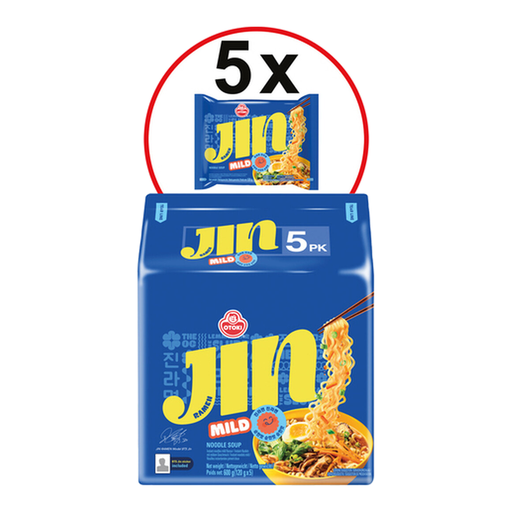
Why it suits this profile: The pack contains five 120-gram portions and has a mild flavour profile. This makes these Korean ramen noodles accessible to anyone who does not want to start with very spicy noodles.
The milder variety means beginners do not have to jump straight into an intensely spicy sauce. The multipack is smaller than a large bulk box.
Five separate 120-gram portions; according to the product information, contains wheat and soya, among other ingredients.
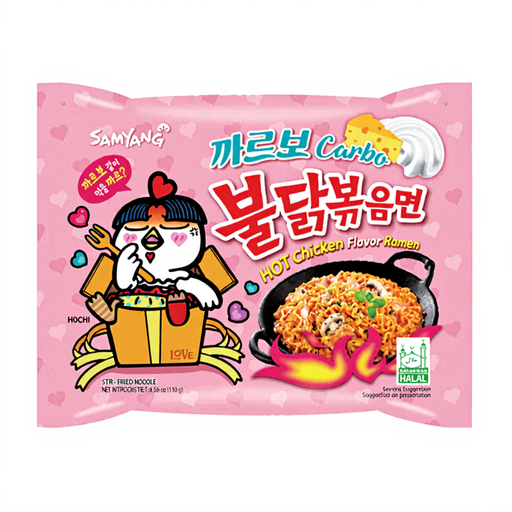
Why it suits this profile: According to the product description, this variety combines a creamy carbonara flavour with a spicy sauce and firm noodles. It is ideal for anyone who prefers a distinctive flavour rather than a standard broth.
The product information clearly states the combination of soup, sauce and carbonara powder. However, check the current label, as this variety contains gluten, soya and milk.
130-gram portion; according to the product details, 423 kcal and 2.6 grams of salt per 100 grams.
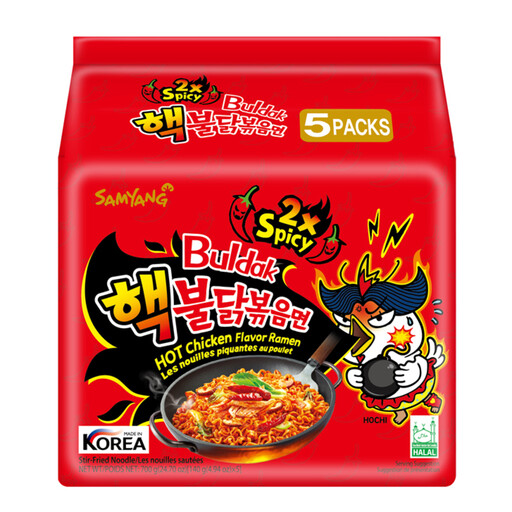
Why it suits this profile: According to the product description, this multipack is intended for lovers of extremely hot flavours. The five 140-gram sachets are suitable if you regularly eat spicy Korean ramen.
The name and product description make the high spice level clear. This makes it less likely that you will mistake this variety for mild ramen.
Five 140-gram portions; according to the product details, contains wheat, soya and sesame.
We have put together a complete, up-to-date list of products that fully meet these strict selection criteria and the applicable European safety regulations.
When using sachets, always follow the amount of water and cooking time stated on the label. With dry Buldak varieties, it is important not to drain all the cooking water when the instructions tell you to leave a small amount behind. Too much water makes the sauce thin; too little water can prevent the noodles from being coated evenly.
You can add vegetables, spring onion, egg or a protein source of your choice to the meal. Only add extra cheese, milk or other toppings if you have taken allergens and the overall ingredients into account.
It varies considerably between varieties. Ottogi Jin Ramen Mild is intended as a milder option. Samyang Buldak, Double Spicy and some Hot Chicken varieties are considerably hotter. If you are unsure, start with a milder ramen or use only part of the sauce.
The shelf life is stated on the packaging and varies by product. Store the noodles in a cool, dry place, away from sunlight, heat and moisture. Do not use damaged packaging, and check the date before preparation.
Not automatically. Some product descriptions mention a vegetarian variety, while other products contain chicken, beef, fish or other flavourings. Always check the current ingredients list and allergen information on the product you receive.
