
Vandaag of morgen in huis

Kwaliteit gegarandeerd

Welkomstaanbiedingen ontgrendelen: GRATIS bezorging | Tot 80% korting | Gratis 30 dagen JoyPlus-proefperiode
Download de app
Korean instant noodles are ideal for a quick lunch, late-night snack or well-stocked cupboard. However, Korean ramen, spicy ramen and noodle soup can differ greatly in flavour, preparation and ingredients. Eye-catching packaging tells you little about what you will actually get. Pay particular attention to the information on the label and the quantity you genuinely need.
Words such as “hot”, “fire” and “spicy” do not tell you exactly what a product tastes like. Some spicy noodles mainly contain a dry chilli sauce, while other ramen varieties feature a seasoned broth, garlic, fermented flavours or a creamy cheese component. If you focus only on the heat level, you could end up buying a product that does not suit your preferences.
A box of 20 or 40 packs may seem good value, but it also takes up a lot of space. Check the weight per portion and the best-before date on the packaging. A multipack is particularly practical if you eat instant noodles regularly or share them with several people.
Korean ramen often contains wheat and gluten, as well as soya, milk, sesame, celery or other ingredients. Some varieties may contain additional allergens or be made in a facility that also processes them. Preparation methods also vary: soup noodles are served with the cooking water, whereas Buldak and other stir-fried noodles are mostly drained.
Always check the label on the packaging you receive. Product information and packaging may change.
Start by choosing the preparation style:
An individual pack weighing 120 to 140 grams is common in this category. Nutritional values are often listed per 100 grams rather than per full pack. So check:
Values vary by recipe. In the product information provided, for example, the figures range from around 398 to 430 kcal per 100 grams. Use the label for the specific product as your guide.
Look out for allergens in bold on the label. The selected products include gluten, wheat, soya, milk and sesame, among others. Some product descriptions also mention possible traces of egg, fish, peanuts, nuts, crustaceans or celery.
Also check the country of origin and the details of the responsible food business operator. The selection includes products from countries including South Korea and China. This does not in itself say anything about the flavour, but it helps you assess the product information correctly. Store instant noodles in a dry, cool place away from direct sunlight. Do not use damaged packaging.
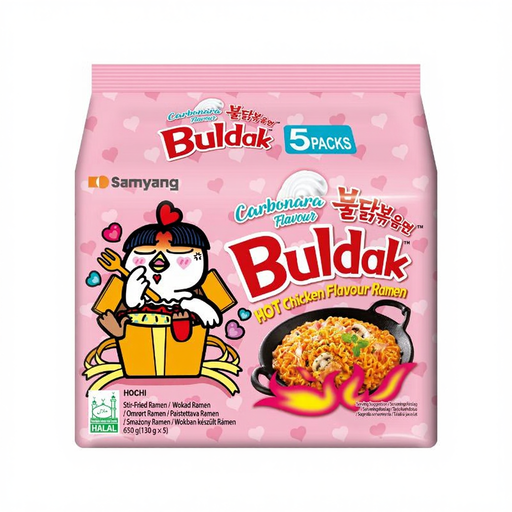
Why it suits this profile: A pack containing five portions is a manageable way for anyone wanting to try Samyang Buldak ramen without immediately ordering a large supply. The combination of spicy chicken flavour and a carbonara profile is well suited to fans of rich, creamy flavours.
The number of packs and the weight of 130 grams per pack are clearly stated. The preparation instructions describe draining and mixing with the sauce, so you will not confuse it with Korean noodle soup.
Five individual portions, a cooking time of around five minutes and separate sauce and powder sachets. Contains wheat, soya, milk and sesame, among other ingredients; check the label.
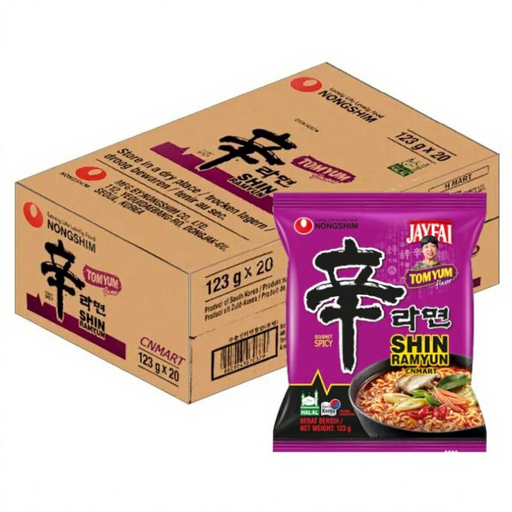
Why it suits this profile: This box of 20 portions is ideal for households and regular eaters who want to keep a supply of Korean ramen on hand. The Tom Yum flavour adds lime-like and aromatic notes to the spicy profile.
The product description states 123 grams per pack, 20 individually wrapped portions and a preparation time of around four to five minutes. This allows you to assess the quantity and portion size in advance.
Wheat noodles, dried vegetables and a Tom Yum seasoning mix. According to the product information, made in South Korea. Contains or may contain traces of multiple allergens.
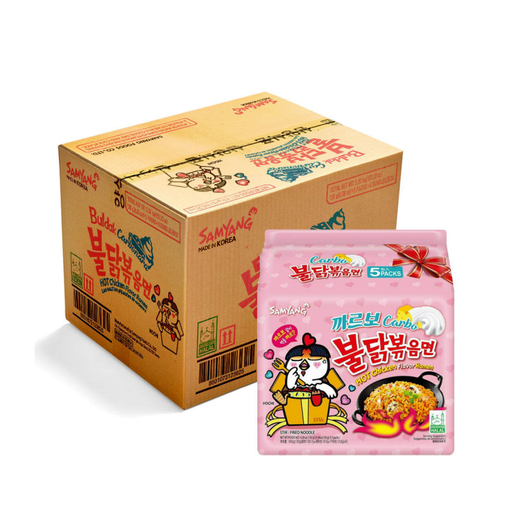
Why it suits this profile: A box of 40 packs is designed for intensive use, sharing or building up a generous supply. Preparing the sauce requires a little more attention than a cup, but it is still suitable for a quick meal.
The packaging clearly states the total quantity and portion size. The instructions specify 550 ml of water, five minutes of cooking, around 120 ml of water remaining and briefly mixing over a low heat.
A large supply of 40 portions and a substantial saucy noodle texture according to the product description. Contains wheat, soya and sesame; possible traces of milk, egg and nuts, among other allergens, are listed.
We have put together a complete, up-to-date list of products that fully meet these strict selection criteria and the applicable European safety regulations.
Follow the instructions on the packaging, as cooking times and the amount of water vary by brand. With a soup variety, you usually add the seasoning and vegetables at the same time as the noodles. With a sauce variety, drain most of the water before adding the sachets.
You can enhance Korean instant noodles with egg, spring onion, mushrooms, tofu or kimchi. Add extra chilli only after tasting. This gives you more control over the flavour. If a product has a milk, cheese, chicken or fish flavour, it is sensible to check the ingredients list if you avoid certain foods.
The best-before date is shown on the individual packaging or outer box. Store unopened packs in a dry, cool place away from direct sunlight. With multipacks, it is sensible to check the date before buying a large box.
No. Samyang Buldak ramen is often prepared as a sauce or stir-fried noodle, whereas Nongshim Shin Ramyun is generally eaten as noodle soup. Even within one brand, carbonara, kimchi, cheese, Tom Yum and sweet-and-spicy varieties differ in flavour and ingredients.
Check the weight per portion, number of packs, preparation method, nutritional values, heat level and allergens. With a large ramen multipack, also check the best-before date and the storage space available. This will help ensure that your purchase better suits your eating habits.
