
Vandaag of morgen in huis

Kwaliteit gegarandeerd

Welkomstaanbiedingen ontgrendelen: GRATIS bezorging | Tot 80% korting | Gratis 30 dagen JoyPlus-proefperiode
Download de app
The virtual supermarket shelves are overflowing with colourful packages of Korean instant noodles. From fiery red to creamy pink, the selection is overwhelming. But how do you know which one to choose? Chances are you've experienced buyer's regret before: a packet that was so spicy it became unpleasant, or noodles that turned into a mushy mess after just three minutes of cooking.
It's a waste of your money and your meal. Many packages promise an authentic taste but deliver a one-dimensional, salty experience. Let's skip the marketing fluff and focus on what really matters.
Before you add a packet to your digital shopping cart, there are a few objective characteristics that make the difference between a disappointment and a quick, flavourful meal.
Not all instant noodles are created equal. The texture, or 'bite', is crucial to the eating experience.
Check the ingredient list to see what type of noodle you're buying. This provides a good indication of the expected texture.
The term spicy noodles doesn't tell the whole story. Korean cuisine is known for its complex flavours. Look beyond the chilli pepper on the package.
Korean noodle soup.A higher-quality packet of instant noodles often contains more than just a sachet of soup powder. The contents of the flavour packets are a good indicator of the meal's complexity. A good quick meal noodles can consist of:
Multipacks are often more cost-effective if you've found a favourite and want to stock up.
Based on these objective criteria, we've highlighted a few popular choices that suit different preferences.
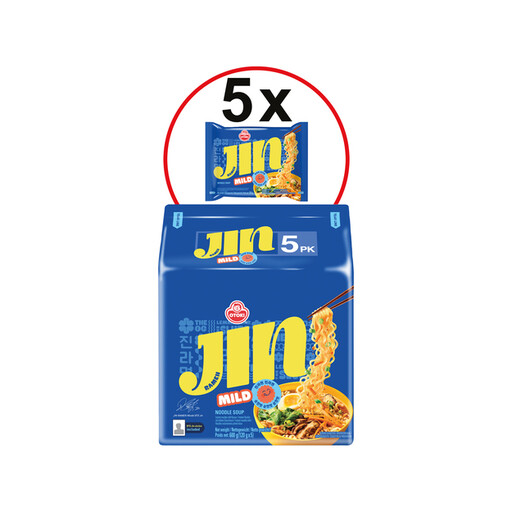
Why This Fits Their Persona: Ideal for anyone trying Korean ramen for the first time. The mild, savoury flavour is approachable and not overwhelming. A reliable choice for a quick lunch or dinner.
You avoid the pitfall of a meal that's too spicy. The flavour is rich and complex without extreme heat. The noodles are firm and don't turn mushy.
Classic umami broth. The 5-pack offers excellent value for money.
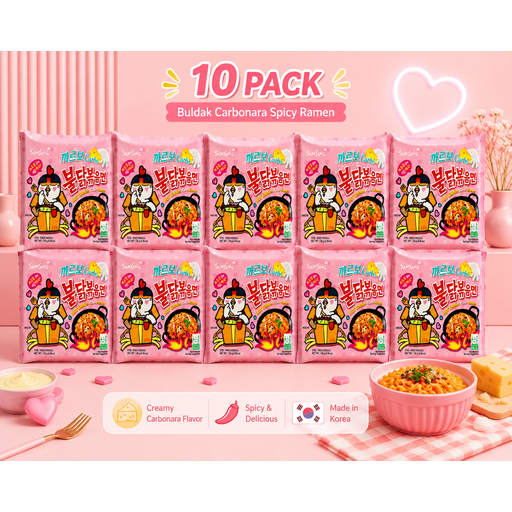
Why This Fits Their Persona: For those who want to try the popular creamy and spicy trend. This is the famous Samyang Buldak flavour, balanced with a soft, creamy carbonara sauce. A social media favourite.
This product delivers exactly the complex flavour the packaging promises: spicy and creamy, not one-dimensional heat. The creaminess tempers the spice, making it more accessible.
Unique flavour combination. The thick, firm noodles hold the rich sauce perfectly.
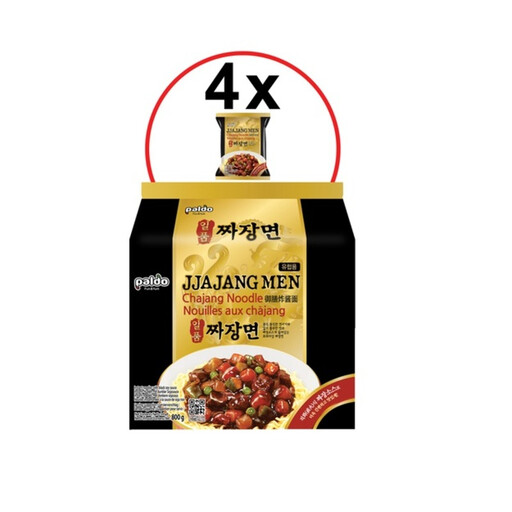
Why This Fits Their Persona: For those who want something different from the standard noodle soup. This is a classic Korean dish with a thick, savoury black bean sauce. An authentic flavour that transports you to the streets of Seoul.
This isn't a soup, so you avoid a watery disappointment. The sauce is rich and designed to coat the noodles completely, ensuring intense flavour in every bite.
Authentic Jjajangmen experience. The thick noodles and deep, umami-rich flavour offer a unique meal.
Beyond these Korean favourites, there's a world of flavours to discover, from classic Chinese noodle soups to other Asian specialities. Explore our full range.
The easiest way to upgrade your quick meal noodles is by adding fresh ingredients. A soft-boiled egg, some finely chopped spring onions, a slice of cheese, or leftover vegetables like spinach or bean sprouts can make a world of difference.
Although the terms are often used interchangeably, there are differences. Japanese ramen usually refers to a dish with fresh noodles and a slow-simmered, complex broth. Korean ramyeon (or ramen) is almost always the instant variety. The flavours are often different too: Korean ramyeon is known for its spiciness, while Japanese ramen focuses more on broth flavours like miso, shoyu (soy sauce), or tonkotsu (pork bone).
Definitely not. While brands like Samyang have become famous for their spicy noodles, there is a wide spectrum of flavours. Options like Ottogi Jin Ramen Mild are, as the name suggests, mild in flavour. Dishes like Paldo Jjajangmen aren't spicy at all and focus on a savoury, sweet-and-salty taste. There's something for everyone, from mild to extremely hot.
