
当日/次日达

品质保障

开启新人专享福利: 全场免邮 | 低至 2 折 | 免费试用 30 天 JoyPlus 会员
下载 Joybuy
Korean instant noodles are more than just a quick meal; they're a global phenomenon. But anyone searching online for buy Korean noodles will quickly encounter an overwhelming selection. The packaging promises authentic flavours and intense experiences, but the reality can sometimes be disappointing. Before you stock up on an instant noodle box, it helps to know what to look for. Many buyers make the same mistakes.
Here are a few common pitfalls:
noodle soup online, but after cooking, it turns out you should have drained the water for a 'stir-fry' meal. These instructions aren't always clear on the front of the package.By understanding a few basic principles, you can navigate the selection more easily and choose the noodles that are truly right for you.
To make the right choice, it's helpful to distinguish between three core elements. These define the eating experience more than the marketing on the packaging.
Not all Korean instant noodles are meant to be a soup. The preparation method determines the texture and flavour concentration.
hot chicken flavor ramen is a prime example. The flavours are more intense, and the focus is on the sauce coating the noodles.The term spicy ramen can mean anything. Brands like Samyang Buldak are known for their extreme heat, often intended as a 'spice challenge'. Others, like the standard Shin Ramyun, are spicy but more balanced with a savoury umami flavour. Look for visual cues on the packaging like flames, chilli icons, or terms like 'Super Spicy' or '2x Spicy' to get an idea of the heat level.
Some products combine classic ramen noodles with other Korean favourites. A popular variation is 'Rabokki', a portmanteau of ramen and tteokbokki. With this, you get soft, chewy rice cakes in addition to noodles. Brands like Yopokki specialise in this, offering a completely different texture and eating experience.
Based on these criteria, we've selected a few products that suit different preferences and users.
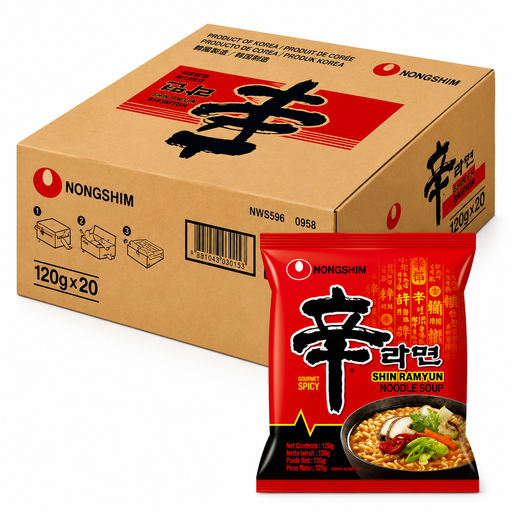
Why This Fits Their Persona: Perfect for those who want to build a reliable supply. Shin Ramyun is a global icon and a safe bet for a classic, spicy noodle soup. Ideal for students or families who want a quick, flavourful meal ready in the pantry.
You avoid the pitfall of bulk-buying an unknown flavour. This is a proven classic. The heat level is consistent, and its preparation as a soup is straightforward.
A deep, savoury beef broth with a satisfying spicy kick. The noodles are thick and springy. A reliable choice for an instant noodle box.
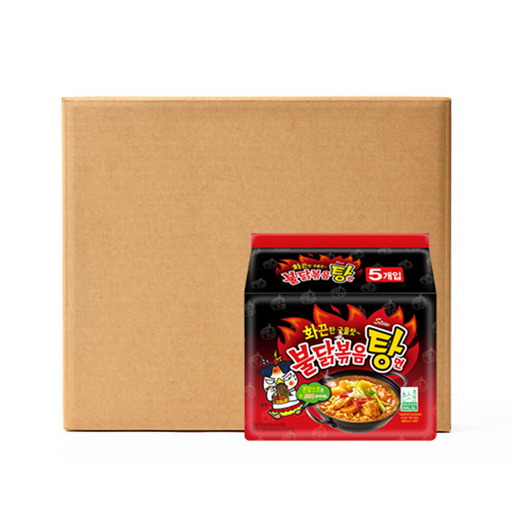
Why This Fits Their Persona: For the spice lover who seeks the Samyang Buldak challenge but in the form of a meal soup. The 'stew' version combines the infamous heat with a thicker, richer broth that completely coats the noodles.
No surprises here: Samyang delivers the intense heat the brand is known for. The 'stew' designation makes it clear that this is a soup-type version, not a dry noodle.
Offers the iconic hot chicken flavor ramen in a thick, stew-like broth. The noodles are thick and have an excellent, firm bite.
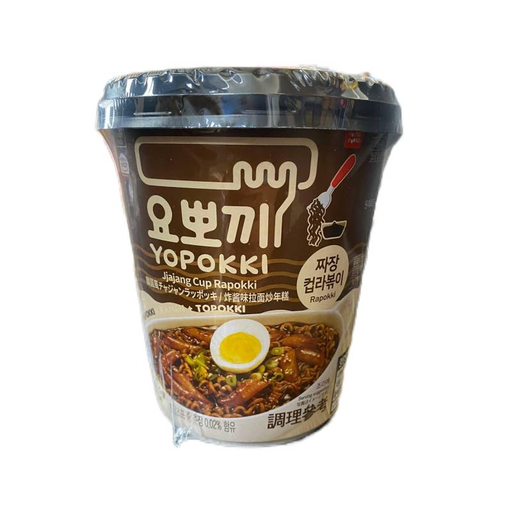
Why This Fits Their Persona: For those who want something different from a spicy soup. This dish, also known as 'Rabokki', combines ramen noodles with chewy rice cakes (tteokbokki). The Jjajang flavour is a savoury, slightly sweet black bean sauce and is not spicy.
This product sets expectations correctly from the start: it's not a standard noodle soup. The combination of rice cakes and ramen is clearly stated, as is the mild Jjajang flavour.
Offers a unique and satisfying texture through the combination of noodles and rice cakes. The savoury black bean sauce is a popular and approachable Korean flavour.
We've compiled a complete, up-to-date list of products that meet these selection criteria.
How can I make my Korean instant noodles less spicy? A simple way is to use less of the seasoning powder or sauce. You can also add a slice of cheese, a splash of milk, or a beaten egg during cooking. This makes the broth creamier and mellows the heat.
What's the difference between Japanese and Korean ramen? While both are popular, there are often clear differences. Japanese ramen broths are typically based on miso, shoyu (soy sauce), or tonkotsu (pork bone) and the focus is on a deep, complex umami flavour. Korean ramen, or 'ramyeon', is known for a bolder, often spicier flavour profile, with heavy use of chilli (gochugaru) and garlic.
Is it more cost-effective to buy an instant noodle box? Yes, in most cases, buying a box or multipack is cheaper per serving than individual packets. It's a great option once you've found a favourite flavour and want to stock up. For trying new flavours, it's wiser to buy a single packet first.
