
Vandaag of morgen in huis

Kwaliteit gegarandeerd

Welkomstaanbiedingen ontgrendelen: GRATIS bezorging | Tot 80% korting | Gratis 30 dagen JoyPlus-proefperiode
Download de app
Korean instant noodles are ideal for a quick meal, but the range varies considerably. Colourful packaging tells you little about the actual heat level, portion size or ingredients. Terms such as Korean ramen, instant ramen and Samyang Buldak are also sometimes used interchangeably, even though the preparation method and flavour can differ significantly.
If you buy a ramen multipack without comparing the options, you could end up with noodles that are too spicy, packaging that does not suit your needs or a product containing allergens you had overlooked. The points below will help you quickly identify which Korean or Asian noodles are right for you.
Spiciness is not indicated consistently across all products. A product labelled “hot”, “spicy” or “double spicy” can deliver a very different experience from regular Shin Ramyun. The product description for Samyang Double Spicy Hot Chicken Ramen states that it is an extremely spicy variety. This makes it less suitable if you are new to spicy noodles.
Also pay attention to the difference between soup noodles and stir-fried ramen. With soup noodles, the seasoning powder remains in the cooking water. With Buldak varieties, the water is usually drained before you mix a concentrated sauce through the noodles. This can make the flavour taste more direct and intense.
A 120 or 140-gram bag is different from a 68-gram cup. A cup is convenient for the office or when you are out and about, while a multipack of individual bags is usually more practical for keeping in the cupboard. So check:
A box containing 20 or 30 portions may seem appealing for frequent use, but it is less convenient if you want to try several flavours first. For a student or a small household, a pack of five may be a better starting point.
The product description and packaging may show different origin information. For example, some Nongshim products list South Korea, while another package may state China as the country of origin. Always check the current packaging before consumption.
Pay particular attention to gluten, wheat, soya, sesame, milk, celery, fish and shellfish. Ingredients and allergens vary by flavour. Samyang Buldak Quattro Cheese lists milk, soya, wheat and celery, among other ingredients. Classic Nongshim Shin Ramyun lists wheat and soya, with some packs also carrying additional warnings about possible traces.
Korean ramen is not one single type of product. Choose according to your preferences:
Check the cooking time. For various Shin Ramyun products, it is around 4 to 5 minutes, while the Kimchi Stir-Fry product information gives a cooking time of approximately 3 minutes. A cup usually only requires boiling water and a few minutes of waiting.
Spiciness is only one part of the flavour. According to the product description, Shin Ramyun combines chilli, garlic, mushroom and savoury seasoning. Samyang Buldak Carbonara and Quattro Cheese also contain milk or cheese powder. This can give the flavour a creamier finish, but these varieties are not suitable for people avoiding milk or certain other allergens.
If you prefer less heat, start with a classic stock-based variety and use only part of the seasoning powder. You could also add egg, spring onion, sweetcorn, mushrooms or tofu. This changes the nutritional value and flavour of the meal, so always check the full label if you have specific dietary requirements.
Instant ramen often contains a lot of salt. The product information provided, for example, lists 3,8 grams of salt per 120 grams for a Nongshim Shin Ramyun variety and 9,3 grams of salt per 100 grams for Samyang Double Spicy Hot Chicken Ramen. Always check whether the table is based on 100 grams or the whole pack; these units are not interchangeable.
Nutritional values are not a measure of flavour or product quality. However, they can help you choose an option that suits how often you want to eat instant noodles. Use the complete packaging and the current label information as your reference.
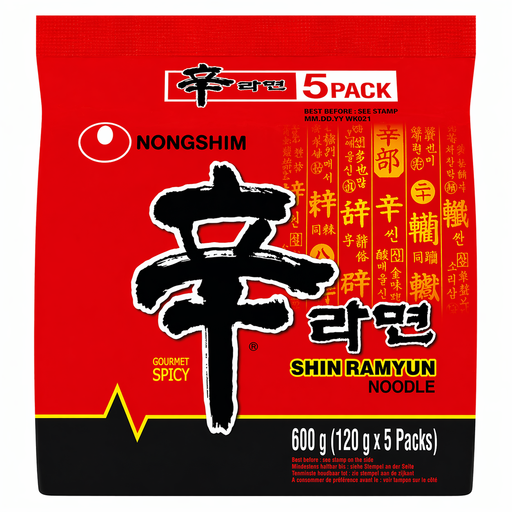
Why it suits this profile: A pack of five portions gives you the chance to try classic Korean ramen without immediately buying a large supply.
The multipack clearly states the total quantity: five 120-gram bags. The product information also lists gluten and soya as allergens.
Classic spicy stock, dried vegetables and a preparation time of around 4 to 5 minutes.
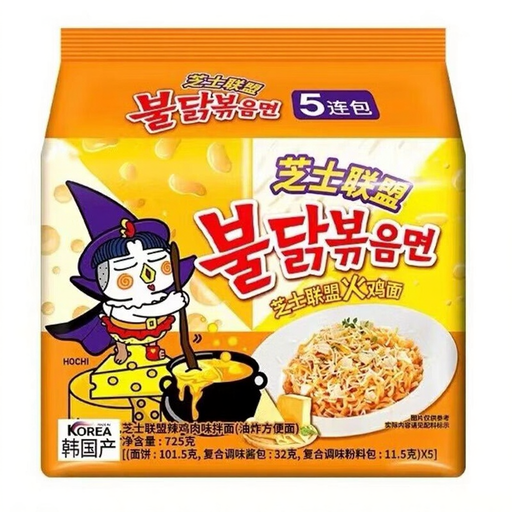
Why it suits this profile: This variety combines spicy chicken-style flavour with a quattro cheese mix, making it a good choice for people who want a creamy taste as well as plenty of heat.
The packaging states that there are five 145-gram portions, while the ingredients list names milk, soya, wheat and celery, allowing you to check whether it is right for you.
Cheese powder, mozzarella and a 145-gram portion size per pack.
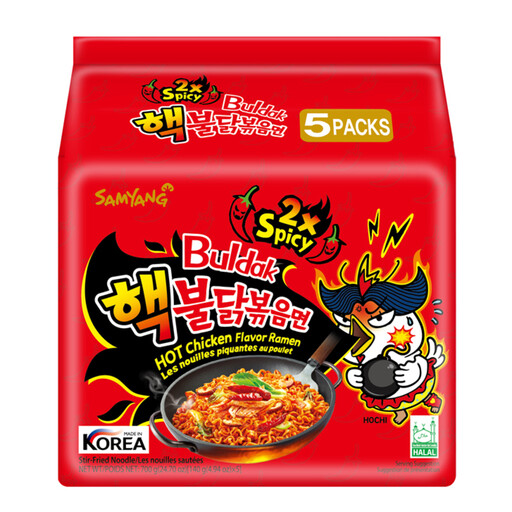
Why it suits this profile: According to the product description, this is an extremely spicy variety for people who deliberately choose intense heat.
The “Double Spicy” label makes its positioning clearer than a generic picture of chillies. However, you should still check the current ingredients and salt content yourself.
Five 140-gram portions, with roasted sesame and seaweed according to the product description.
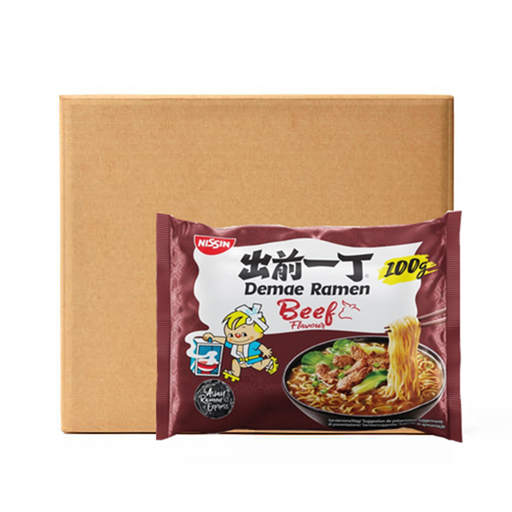
Why it suits this profile: The box of 30 packs is designed for households, shared use and anyone who wants to keep a regular supply of instant ramen at home.
The number of portions and the weight per bag are clearly specified. This makes it easier to estimate your stock levels and cost per portion.
30 100-gram bags, a beef flavour and preparation in just a few minutes.
We have put together a complete, up-to-date list of products that fully meet these strict selection criteria and the applicable European safety regulations.
Follow the instructions on the packaging. For many soup varieties, cook the noodles and seasoning in approximately 500 to 550 ml of water for 4 to 5 minutes. With stir-fried noodles, drain the water after cooking and mix in the sauce. A cup usually only requires boiling water filled to the indicated line.
Check the best-before date on the packaging and store the noodles in a cool, dry place away from direct sunlight. Do not use a product if its packaging is damaged. With multipacks, check the date on both the individual bag and the outer box whenever that information is available.
It depends on the flavour. Some Korean ramen varieties, such as products with “Double Spicy” or Buldak in the name, are strongly focused on heat according to the product description. Japanese ramen, such as tonkotsu or chicken varieties, often focuses more on stock and umami, although spicy options are available too. Always compare the preparation method, ingredients and stated flavour before ordering.
