
Vandaag of morgen in huis

Kwaliteit gegarandeerd

Welkomstaanbiedingen ontgrendelen: GRATIS bezorging | Tot 80% korting | Gratis 30 dagen JoyPlus-proefperiode
Download de app
Korean hydrogel face masks are popular for their soft gel texture, generous amount of essence and transparent finish. However, an expensive mask isn’t automatically right for your skin. If you only focus on words like “glass skin”, “collagen” or “PDRN”, you could end up with a product that stays on too long, causes irritation or doesn’t fit your desired routine.
That’s why the Joybuy Product Recommendation Officer helps you look at verifiable points: the ingredients list, usage advice, the number of masks and how well they match your skin type.
Terms like a glass skin mask, “firming” and “brightening” usually describe the cosmetic goal or the look after use. They are not a guarantee of lasting change. According to some brands’ own research, users may report more hydration or a more radiant appearance; such results aren’t automatically the same for everyone.
So, check the full ingredients list. A collagen face mask might contain hydrolyzed collagen, while a PDRN face mask lists ingredients like Sodium DNA. The presence of an ingredient alone doesn’t tell you how your skin will react.
A hydrogel mask can become transparent as the moisture in the gel gradually decreases. That doesn’t mean every mask should be worn indefinitely. Some products are designed for 10–20 minutes, others for 2–3 hours or, according to the packaging, even overnight.
Always follow the instructions for the specific product. Wearing it for too long can cause a tight, pulling sensation, especially on dry or sensitive skin.
A product described as suitable for all skin types can still contain ingredients you react to. Check for perfume, essential oils, retinol, acids and preservatives, among others. If you have sensitive skin, first do a patch test on a small area of skin and wait for 24 hours as per the product advice.
Do not use a mask on damaged, irritated or inflamed skin, and stop immediately if you feel a burning sensation, itching, redness or swelling.
A Korean sheet mask is usually thinner and is often worn for 10–20 minutes. A hydrogel mask is thicker and typically adheres closely to the skin. Some variants change from opaque to transparent, like the and Medicube masks. That’s a product feature, not a universal measure of absorption or results.
An overnight mask is different again: it’s usually a gel product that stays on as the last step of your routine. So check whether you’re buying a single-use sheet mask, a long-wear hydrogel mask or a wash-off night mask.
Don’t just compare the price of the pack. Look at the number of pieces and the recommended usage:
Store unopened masks in a cool place away from direct sunlight. Check the expiry date and batch number on the packaging.
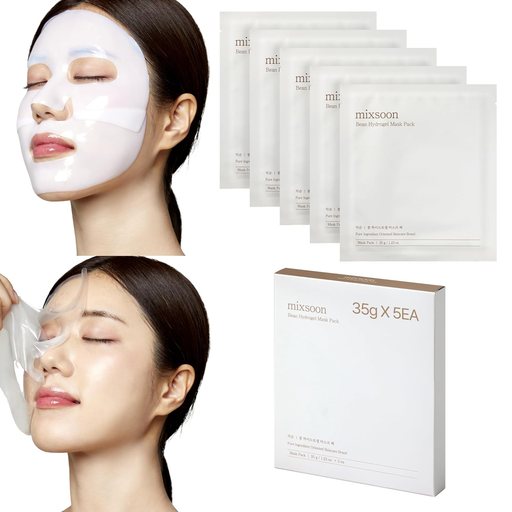
Why this fits the profile: A pack of five single-use masks makes it easy to try a PDRN and collagen routine gently, for example once or twice a week.
The product information states a specific usage frequency of 1–2 times per week and a patch test, so you don’t have to guess with your routine.
Five masks of 35 g; suitable according to the product information for dry, normal and sensitive skin.
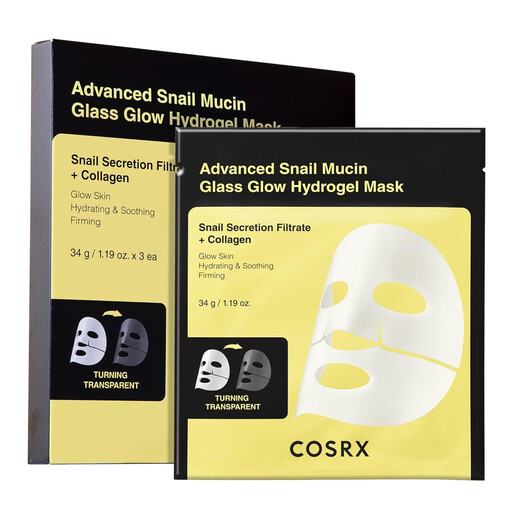
Why this fits the profile: This choice suits anyone who enjoys a longer masking session and is specifically looking for a formula with snail secretion filtrate, niacinamide, collagen, hyaluronic acid and ceramides.
The usage instructions mention 2–3 hours or overnight, so you can adjust the wear time to the formula rather than the mask’s appearance.
Three masks of 55 ml; contains multiple hydrating and barrier-supporting ingredients according to the product list.
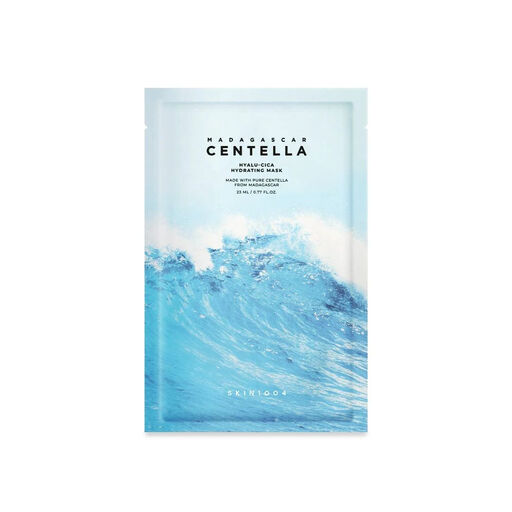
Why this fits the profile: A practical Korean sheet mask for anyone who wants a regular, short hydrating step in their routine for dry, normal, combination or sensitive skin.
The instructions state 10–20 minutes, so you don’t need to treat this mask like an overnight hydrogel mask.
Five masks of 23 ml; contains centella asiatica, glycerin, allantoin, ceramide NP and various forms of hyaluronic acid.
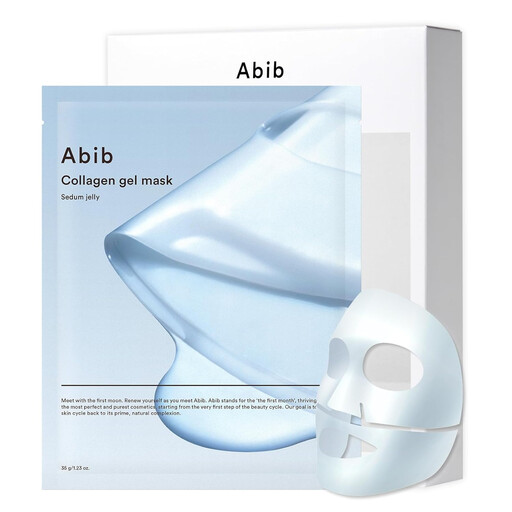
Why this fits the profile: The pack of ten individual masks suits anyone who wants to use a hydrating face mask often without ordering a small pack each time.
The product information states the quantity of ten individual masks and the presence of hyaluronic acid and collagen, so you can compare the pack and formula in advance.
Ten sheet masks; vegan and cruelty-free according to the product description; focused on hydration.
We’ve put together a full, up-to-date list of products that fully meet these strict selection criteria and comply with current European safety regulations.
Use a sunscreen during the day if the packaging warns about light sensitivity, for example with a formula containing retinol. A mask doesn’t replace your daily skincare routine or professional treatment.
That varies by formula. Many products recommend using them one to three times a week. Check the packaging and build up gradually. If you have sensitive skin, it’s wiser to use them less often until you know how your skin reacts.
The expiry date and batch number are on the packaging. Store unopened masks in a cool, dry place away from direct sunlight. Once opened, use a sheet mask immediately; it’s not designed to be reused.
Some products are described as suitable for sensitive skin according to the product description, but that’s not a personal guarantee. Check for perfume and other potentially irritating ingredients, do a patch test and stop if you have a reaction. Do not use the mask on damaged skin.
