
Vandaag of morgen in huis

Kwaliteit gegarandeerd

Welkomstaanbiedingen ontgrendelen: GRATIS bezorging | Tot 80% korting | Gratis 30 dagen JoyPlus-proefperiode
Download de app
A gel face mask feels cooling and often fits the skin closely. However, many Korean gel face masks look similar, even though their ingredients, wear time and packaging can vary considerably. A low price may seem appealing, for example, but a pack containing one mask is not always better value than a set. A mask described as “brightening” may also be less suitable for sensitive skin.
So pay attention to the formula and when you plan to use it, rather than focusing solely on terms such as glass skin, collagen or intensive care. Below, you’ll find the key buying criteria and some popular options for different skin needs.
Words such as “repair”, “lifting”, “anti-ageing” and “repair” sound clear, but they do not automatically tell you what your skin will actually experience. According to some brands’ own research, certain results can be measured after one use, but these results are not guaranteed for every user.
Instead, look for verifiable information:
Some jelly face masks are used for 15 to 30 minutes. Other hydrogel face masks need to be left on for several hours and become transparent as the gel gets thinner. This can be practical as part of an evening routine, but inconvenient if you want to go to bed quickly or are sensitive to prolonged contact with cosmetics.
Always follow the instructions on the packaging. Leaving a mask on for longer than recommended does not automatically produce better results.
A mask may be described as suitable for all skin types, yet your skin may still react to fragrance, retinol, acids or plant extracts. If you are looking for a face mask for dry skin or a face mask for sensitive skin, it is best to carry out a patch test on a small area of skin first.
Do not use a mask on damaged skin, and stop using it if you experience a burning sensation, redness, itching or swelling. If symptoms persist, seek advice from a doctor or dermatologist.
A hydrogel face mask consists of a gel-like sheet that often fits closely to the skin. This helps the essence remain on the skin throughout the recommended wear time. A classic sheet mask is usually made from cellulose or a similar material and often feels lighter.
A jelly face mask may also have a thicker gel texture in a pot or sachet. A wash-off version, such as a gel or clay mask, needs to be rinsed off after a few minutes. Choose according to your routine:
For hydration, you will often see hyaluronic acid, glycerine, panthenol and various forms of sodium hyaluronate. These ingredients help the skin retain moisture, but the effect depends on the overall formula and whether you apply a cream or moisturiser afterwards.
A soothing face mask often contains centella asiatica, heartleaf, allantoin or panthenol. Brand product descriptions associate centella and heartleaf with a soothing feeling; treat this as a product feature rather than a medical treatment.
A collagen face mask usually contains hydrolysed collagen or vegan collagen. According to Abib’s product description, the vegan collagen used is obtained through yeast fermentation. This provides information about the ingredient’s origin, but does not guarantee a firming effect.
A brightening face mask may contain niacinamide, vitamin C, kojic acid or turmeric. Pay particular attention to the warnings: Medicube, for example, lists retinol among the ingredients of the Kojic Acid Turmeric mask and recommends using sun protection during use.
Compare the price per mask rather than looking only at the total price. A set of five or ten sheets makes sense if you use a mask several times a week. A pack containing one mask is useful when you want to try a product first.
Hygienic use is important with pots and resealable packaging. Close the packaging securely after use and store the product in a cool, dry place away from direct sunlight. Check the expiry information and batch number on the packaging.
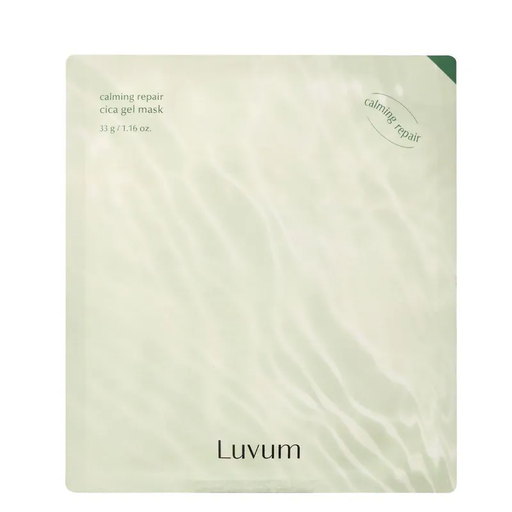
Why it suits this profile: A single-use mask is a practical way to try Korean skincare without immediately buying a large pack.
The quantity is clear: one sheet per pack. The 15–20-minute wear time means you do not have to estimate a long application time yourself.
Centella asiatica, hyaluronic acid and glycerine; gel texture; short application time.
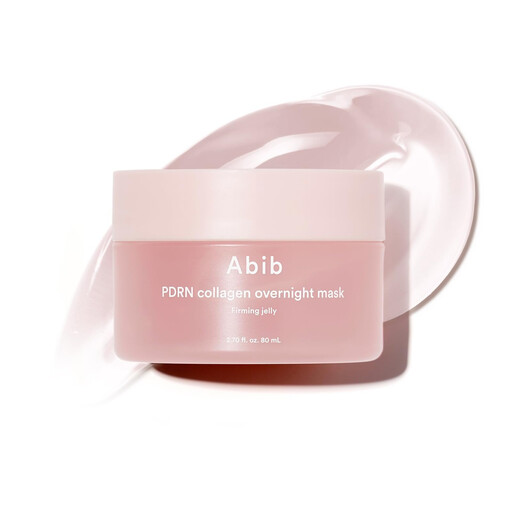
Why it suits this profile: An overnight mask is ideal for users who want to replace the final step of their evening routine with a jelly texture that, according to the description, stays on until morning.
The instructions are clear: use two to three times a week as the final step. This helps prevent excessive daily use.
Plant-based PDRN according to the product description, 300Da low molecular collagen, fragrance-free formula and an 80 ml pot.
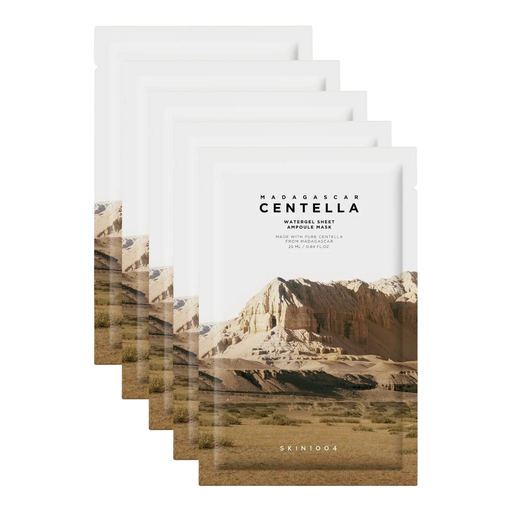
Why it suits this profile: A watergel sheet mask is a natural choice for anyone looking for a lightweight, cooling texture for dry or sensitive skin.
The product description states a wear time of 15–20 minutes and says that it contains no artificial fragrances, parabens, sulphates or drying alcohol.
Centella asiatica essence according to the product information, watergel sheet, five masks per pack and a short application time.
We have put together a complete, up-to-date list of products that fully meet these strict selection criteria and the applicable European safety regulations.
A centella face mask is not automatically suitable for every skin reaction. If you have sensitive skin, a patch test is advisable, particularly with formulas containing fragrance, essential oils, vitamin C, kojic acid or retinol.
That depends on the product. Many sheet masks are used once to several times a week. Luvum states that its Cica Gel Mask should be used two to three times a week, while Abib recommends using its overnight mask two to three times a week. Follow the packaging instructions and do not use several active masks on the same day.
Check the expiry date, batch information and any period-after-opening symbol on the packaging. An individually wrapped sheet mask is better protected against drying out while sealed. Close a pot securely after every use and store it somewhere cool and dry, away from direct sunlight.
A hydrating face mask containing glycerine, hyaluronic acid, panthenol or ceramides may suit dry skin. Apply a moisturiser afterwards to help the skin retain moisture. If your skin is very sensitive or irritated, choose a simple formula and test it on a small area first.
