
Vandaag of morgen in huis

Kwaliteit gegarandeerd

Welkomstaanbiedingen ontgrendelen: GRATIS bezorging | Tot 80% korting | Gratis 30 dagen JoyPlus-proefperiode
Download de app
Korean fruit soju is popular among K-food enthusiasts, those who enjoy sweet drinks, and anyone looking for an approachable cocktail base. However, not every fruit-flavoured bottle is the same. The differences lie in the alcohol percentage, the ingredients used, the sugar content, and the bottle size.
If you buy a Korean soju without comparing, you are likely to run into three common pitfalls:
Fruit soju at 12% is a common choice if you're looking for a lighter Korean alcoholic drink. The products in this selection mostly contain 12% alcohol by volume. Chamisul Grapefruit and Jinro Chamisul Strawberry are examples with 13% alcohol.
A lower percentage doesn't mean the drink is risk-free. Your total alcohol intake also depends on how much you pour. So drink slowly, alternate with water, and never get behind the wheel after drinking alcohol. Alcohol is intended for adults only; do not drink during pregnancy.
A fruit-flavoured soju can taste fresh, sweet, sour or creamy. Pay attention to the difference between:
If you're after a distinctly sweet taste, you could choose soju with mango, strawberry or grape. For a fresher combination, grapefruit, yuzu or green grape might suit you better. Always check the packaging if you have allergies. Product information can vary by batch or importer.
The standard size is around 350 to 360 ml. This format is practical for a dinner, a small group, or a cocktail evening. After opening, product instructions usually recommend sealing the bottle tightly and storing the drink chilled or according to the directions on the packaging.
Also pay attention to the nutritional values. Oppa Grapes, for example, states 60 kcal and 7 grams of sugar per 100 ml. Oppa Mango states 65 kcal and 6 grams of carbohydrates per 100 ml. 7DROPS Peach indicates 93 kcal per 100 ml. These figures are more useful for comparison than terms like "light" or "smooth".
A brief flavour guide can help you decide:
Soju can be drunk chilled straight from the bottle, served with ice, or used as a base for a soju cocktail. Always mix mindfully: soft drinks, fruit juice and syrup can make the drink sweeter and make the alcohol content less noticeable.
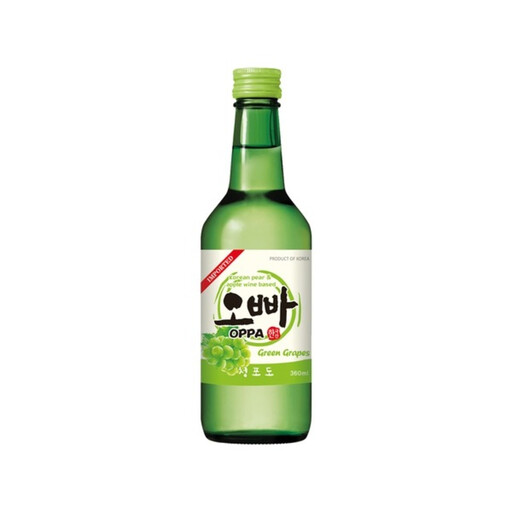
Why this fits the profile: The familiar grape flavour and 360 ml size make this bottle a straightforward choice for anyone trying Korean fruit soju for the first time.
The 12% alcohol content and nutritional information per 100 ml are clearly stated in the product details.
Grape flavour, 12% alcohol, 360 ml and 60 kcal per 100 ml according to the product information.
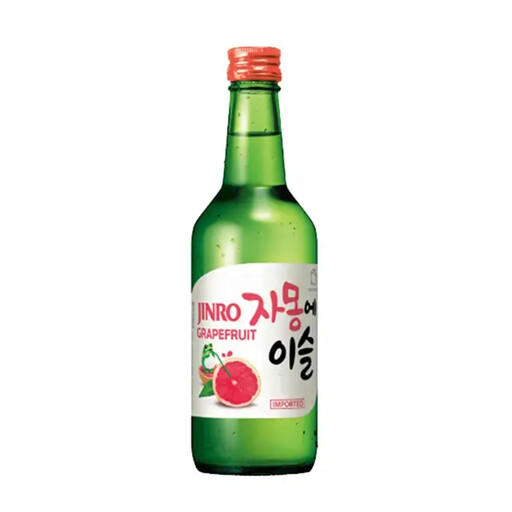
Why this fits the profile: This Jinro soju suits shoppers who want a citrus flavour and a slightly higher alcohol percentage for a dinner or drinks gathering.
The product name states 13.0% alcohol, so you won't confuse this variant with a 12% fruit soju.
Grapefruit flavour, 360 ml and 13.0% alcohol according to the product information; serve chilled or with ice.
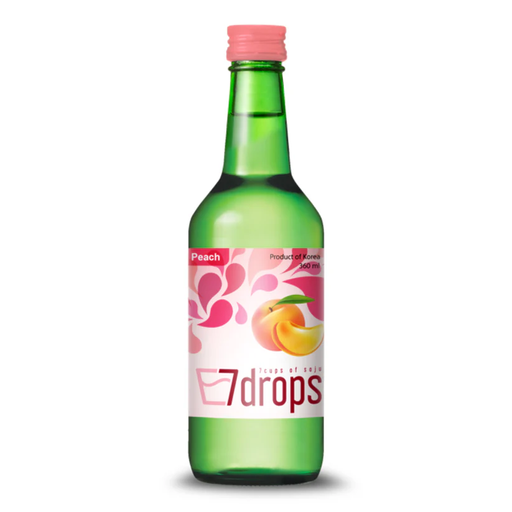
Why this fits the profile: The peach flavour is ideal for parties and cocktails where you want a sweet fruit base to work with.
The ingredients list includes peach juice, peach flavouring and an alcohol content of 12%.
360 ml, 12% alcohol and 93 kcal per 100 ml according to the product details; suitable for serving chilled.
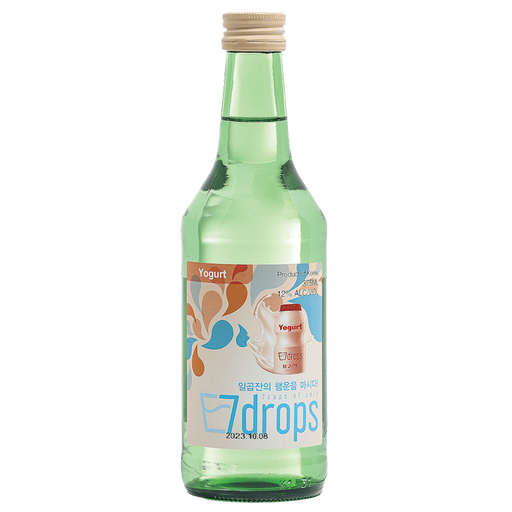
Why this fits the profile: The yoghurt variant is designed for anyone looking for a creamy, lightly sweet flavour instead of a classic fruit soju.
The product information mentions yoghurt flavouring and possible allergens from dairy and cereals; check this before purchasing.
12% alcohol, 360 ml and a distinctive yoghurt profile; according to the product information, approximately 90–120 kcal per 100 ml.
We've put together a full, up-to-date list of products that fully meet these strict selection criteria and comply with current European safety regulations.
A 12% variant with a recognisable fruit flavour is often a practical place to start. Oppa Grapes, Oppa Apple and peach soju have a clear flavour profile. Choose a 350 or 360 ml bottle if possible, so you can try it first without buying a large quantity.
Serve the bottle chilled, straight into small glasses or with ice. For a simple soju cocktail, you can mix fruit soju with sparkling water, lemonade or fruit juice. Bear in mind the extra sugar and drink slowly, because sweet mixers can mask the taste of alcohol.
Store an opened bottle tightly sealed and follow the instructions on the packaging. For the best flavour, keeping it chilled is usually practical. Always check the best-before information, the label and the smell or taste. Do not drink any product whose seal was damaged before opening.
