
Vandaag of morgen in huis

Kwaliteit gegarandeerd

Welkomstaanbiedingen ontgrendelen: GRATIS bezorging | Tot 80% korting | Gratis 30 dagen JoyPlus-proefperiode
Download de app
Korean fruit soju is popular with fans of K-pop, K-drama, Asian food and fruity alcoholic drinks. However, many bottles look alike. An appealing flavour name doesn’t automatically tell you about the alcohol content, volume or ingredients.
So when buying Korean soju, it’s worth looking beyond labels such as peach, grape or lychee. A few simple checks can help you avoid overpaying, buying a multipack that doesn’t suit the occasion or expecting a sweet drink when you’re actually looking for a more neutral soju.
Peach soju, lychee soju and watermelon soju don’t necessarily contain a high proportion of fruit. The product information may list fruit flavouring, syrup or a combination of juice concentrate and sweeteners. Always check the ingredients list.
For example, OPPA Soju Lychee 12% lists lychee flavouring alongside soju as its base drink. OPPA Soju Yuzu, meanwhile, lists ingredients including yuzu concentrate and yuzu flavouring. This gives you a clearer idea of what you’re buying than the name on the front of the bottle alone.
Many flavoured soju varieties contain 12% alcohol. That’s lower than some traditional spirits, but it’s still a full-strength alcoholic drink. A 350 or 360 ml bottle also contains more than one small serving.
Also look out for differences between brands:
A case of 20 bottles, each holding 350 or 360 ml, is handy for a party, a Korean dinner or a larger get-together. But for one or two people, a multipack can leave you with more stock than you need. Compare the number of bottles, bottle size and total volume, not just the price of the case.
Also check the current product page for stock, best-before information, packaging and delivery details. Alcohol is for adults aged 18 and over only.
Start with the alcohol content. 12% soju is common among flavoured varieties. Jinro Lemon Soju is listed at 13% vol. Bottles are often around 350–360 ml. That size is suitable for sharing, serving over ice or using as a cocktail base, but it’s larger than a standard shot bottle.
The flavour on the label is a starting point, not a complete list of ingredients. Look out for terms such as:
For example, OPPA Soju Green Grapes is listed as containing wheat. According to the product information, the lychee variety doesn’t contain any of the 14 allergens regulated by the EU. Always check the packaging, especially if you’re sensitive to certain ingredients.
Many fruit soju varieties are served chilled. OPPA Lychee and OPPA Watermelon list 4 °C as the serving temperature. Other varieties can also be served over ice or used as a cocktail base.
Store unopened bottles in a cool place away from direct sunlight. Seal an opened bottle securely and follow the instructions on the label. Don’t use a bottle if the seal is damaged before opening.
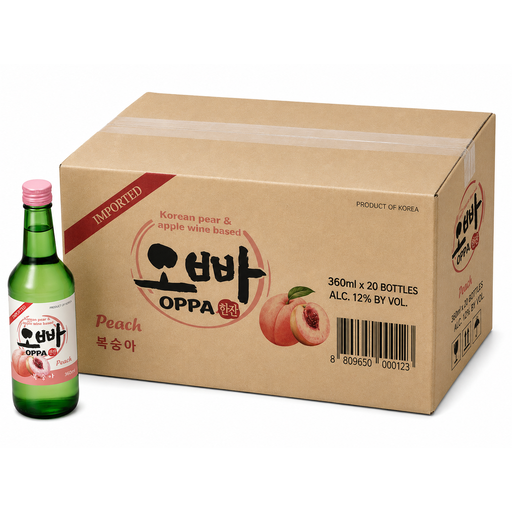
Why it suits this buyer: The large pack contains 20 bottles of 360 ml, making it ideal for parties or several tasting occasions. The peach flavour and 12% alcohol content make it easy to choose a fruity variety without having to mix and match individual bottles.
The product information clearly states 12% vol., 360 ml per bottle and the ingredients, so you can assess the multipack based on its contents.
20 bottles; 360 ml per bottle; peach flavour; 12% alcohol; serve chilled, over ice or as a cocktail base.
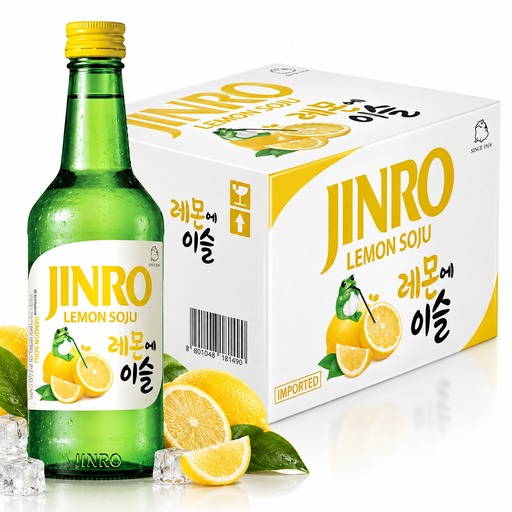
Why it suits this buyer: If you’re looking for a well-known brand and a citrus profile, this is a straightforward choice, with 20 bottles of 350 ml and a clearly stated alcohol content.
The product page lists the brand, origin, bottle size, lemon flavour and 13% vol. So you don’t have to rely on the brand name alone.
Jinro brand; lemon flavour; 13% vol.; 20 bottles of 350 ml; suitable for serving chilled.
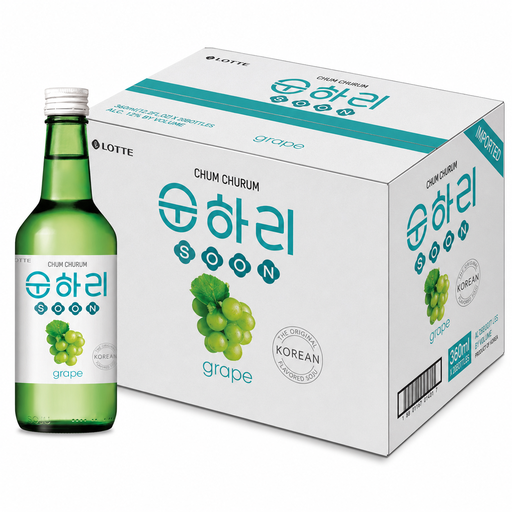
Why it suits this buyer: Grape soju in a case of 20 bottles is a good fit for larger gatherings, regular dinners or keeping a supply for different occasions.
The product information lists 12% alcohol, 350 ml per bottle and the ingredients, including grape flavouring. That gives you a clear idea of what to expect from the flavour.
20 bottles; 350 ml per bottle; grape flavour; 12% vol.; ideal for serving with snacks, meals or at get-togethers.
We’ve put together a full, up-to-date list of products that meet these strict selection criteria and the applicable European safety regulations.
It depends on the variety. Peach, lychee, strawberry, grape and watermelon flavours are usually combined with flavourings, sugar or syrup. Yuzu and lemon can have a fresher citrus profile. Check the ingredients and nutritional information to compare sugar and sweeteners.
Most varieties can be served chilled, straight from the bottle or over ice. Some product pages also suggest using them as a cocktail base. You could serve the drink with a Korean meal, snacks or in a simple mix, but be mindful of the alcohol content.
That depends on the number of adult guests, how long the gathering lasts and what other drinks you’re serving. A 350–360 ml bottle is suitable for sharing, while a multipack of 20 bottles is most practical for larger groups. Serve alcohol-free drinks too, and drink responsibly. Alcohol should be avoided during pregnancy, and you must not drink and drive.
