
Same-day & Next-day Delivery

Quality Guaranteed

Unlock Your Welcome Offers: FREE Delivery | Up to 80% OFF | Free 30-day JoyPlus trial
Download the APP
Korean frozen products make it easy to prepare mandu, gyoza, tteokbokki, kimbap or Korean fried chicken at home. Yet an attractive packet can hide important information. A large bag may look like good value, but it doesn't always fit your freezer or household. And a product with a Korean name isn't automatically suitable for a vegetarian, vegan or gluten-free diet.
As Joybuy Product Recommendation Officer, I focus on verifiable details: weight, portion size, cooking method, ingredients, allergens and storage instructions. That way, you compare products on practical points rather than marketing language.
A family pack can be handy for a family, but less suitable if you only eat Korean snacks occasionally. Check the total weight and divide it by the number of portions. A 300g pack may be more practical for a small household than several kilos, because you need less freezer space and you'll use up what you've opened more quickly.
Korean dumplings, kimchi gyoza and bulgogi gyoza often contain wheat, soya, sesame, egg, fish or shellfish. Even a vegan product can contain wheat or soya. So always check the actual packaging. For example, bibigo Korean BBQ Gyoza Vegan lists wheat flour, wheat gluten, soya and sesame in the ingredients.
Also look out for possible cross-contamination. The product information for various corndogs mentions gluten, soya and celery as present allergens, with possible traces of peanut or egg.
Not every product is suitable for the microwave, air fryer and pan. Kimbap is listed in the product information for the microwave, while the family packs of Korean fried chicken are intended for the air fryer or oven. Depending on the variety, gyoza can be steamed, pan-fried or deep-fried.
So check before you buy that you have the right equipment, and follow the instructions on the packet. Temperature and cooking time can vary from product to product.
Look at three figures:
A pack of 30 gyoza weighing 600g is aimed at a different occasion than a 300g bag. For stocking up your freezer, a multi-pack could be interesting; for trying a new flavour, a smaller pack is more manageable.
Check whether the instructions suit your kitchen:
Always use the instructions on the packet as a guide. A microwave heats differently to an oven or air fryer.
Don't just compare the fat or salt content. Also look at the order of ingredients: ingredients are usually listed in descending order of weight. For the Rengi Korean Chicken Corndog Potato, the corndog mixture makes up 37.53% of the product, and the chicken sausage contains chicken, soya and celery.
For the Rengi Boneless Korean Fried Chicken Sweet & Spicy, the product information states per 100g: 280 kcal, 13g fat, 30g carbohydrates, 10g protein and 0.49g salt. The sweet and spicy sauce contains soya and wheat, among other things. These are product specifications, not a judgement on their suitability for your personal diet.
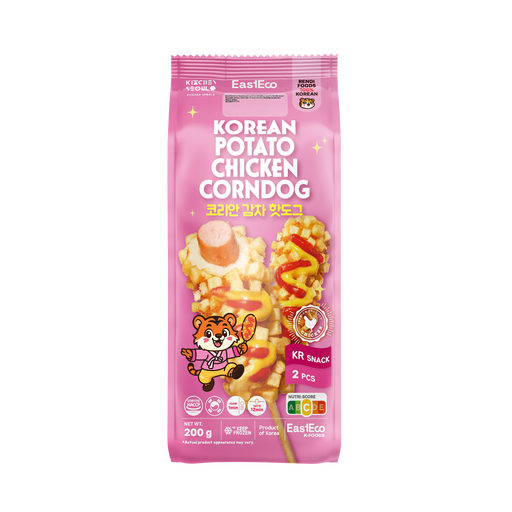
Why this fits the profile: The small pack of two pieces is ideal for trying a Korean snack first without buying a large bulk pack straight away.
The contents and portion size are clearly stated. You don't have to buy a large pack before you know whether the combination of chicken sausage, potato and corndog batter suits you.
Two portions of 100g; product information states cooking from frozen and allergens including gluten, soya and celery.
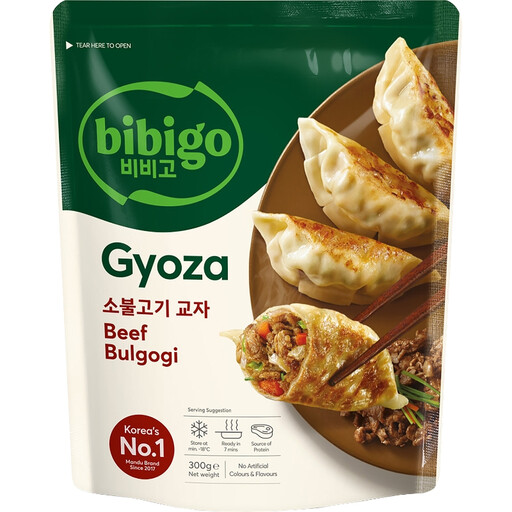
Why this fits the profile: These dumplings suit anyone specifically looking for a beef variety with bulgogi flavour and multiple cooking options.
The product information gives specific cooking times for pan and deep frying. Do check the packet for the current allergen list and instructions.
300g; according to the product information, ready in around seven minutes in the pan or three minutes in hot oil.
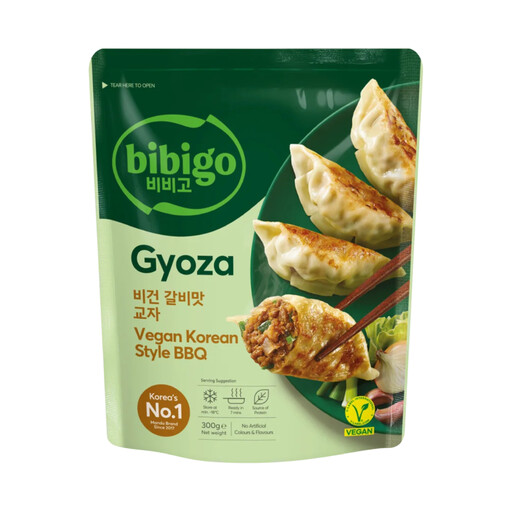
Why this fits the profile: The product name states vegan, and according to the product information the filling consists of vegetables, wheat gluten and soya sauce.
This variety makes the distinction from meat clear. The product does contain wheat and soya; vegan does not automatically mean allergen-free.
300g; according to the instructions, can be steamed or pan-fried in around seven minutes.
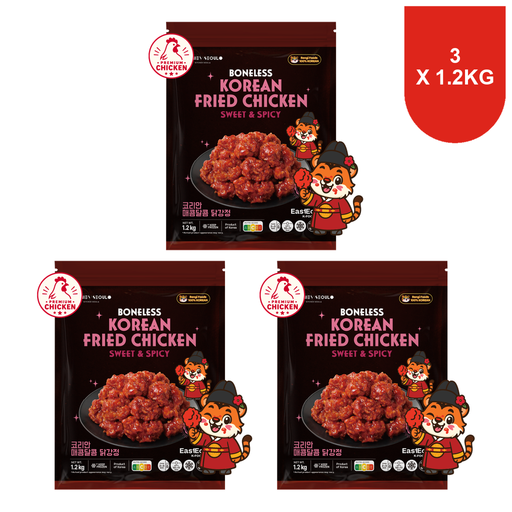
Why this fits the profile: The large pack is aimed at households that regularly serve Korean fried chicken and can keep a stock in the freezer.
The cooking method is clearly stated: heat in an air fryer or oven. Check beforehand whether 1.2kg per pack will fit in your freezer.
We've put together a full, up-to-date list of products that fully meet these strict selection criteria and current European safety regulations.
It depends on the product. Gyoza can be cooked in a pan, steamer basket or deep fat fryer. According to the product information mentioned, kimbap is heated in the microwave. Tteokbokki and Korean rice cakes are usually heated with sauce. Always use the cooking method and time on the label.
Store them frozen at the temperature stated on the packet. The best-before date varies by product and is printed on the packet. After defrosting, you must follow the instructions; various product descriptions indicate that you should keep the product chilled and not refreeze it.
Some are. According to the product information, the Rengi family packs of Korean fried chicken are intended for the air fryer or oven. For gyoza, kimbap, tteokbokki and Korean snacks, the recommended method may be different. So always check the label first and don't just adjust the time or temperature.
