
Same-day & Next-day Delivery

Quality Guaranteed

Unlock Your Welcome Offers: FREE Delivery | Up to 80% OFF | Free 30-day JoyPlus trial
Download the APP
Korean frozen products make it easier to order Korean food quickly and prepare it at home. However, not every product suits every situation. A snack for the air fryer, a family meal and a spicy dish for street food lovers all call for different choices.
Pay particular attention to three common pitfalls: unclear portion sizes, hidden allergens and cooking methods that don't suit your kitchen. With the checkpoints below, you can compare Korean snacks, meals and ingredients based on verifiable product information.
A family pack may look appealing, but first check the total weight and number of portions. A 1.2 kg pack can be suitable for a household, whereas a smaller pack is more convenient if you want to try the product first. Also consider your freezer space: frozen products need to stay frozen and can quickly take up an entire drawer.
Product names like Korean fried chicken, Korean corndog or kimbap describe a style, but don't give all the details about the composition. So check the ingredients list and allergen information. Many products contain wheat, gluten, soya, celery or sesame, for example. Some varieties may also contain traces of peanuts, egg, fish, shellfish or milk.
What's more, with a vegan product, "vegan" doesn't mean it's free from soya or gluten. The bibigo Korean BBQ Gyoza, for instance, lists wheat, wheat gluten and soya sauce in the ingredients.
Not every frozen dish is suitable for the same appliance. Some products are designed for the air fryer or oven, others for the pan, microwave or deep fryer. Check the instructions on the pack and follow the stated temperature and time. Products that already have a sauce can darken more quickly in an air fryer than unsauced snacks.
Compare products per 100 grams, not just per pack. This way you can see differences in energy, fat, carbohydrates, sugar, protein and salt. For example, the Rengi Korean Chicken Corndog Potato states per 100 grams: 290 kcal, 19 g fat, 30 g carbohydrates and 0.5 g salt. Exact values can vary from product to product, so always use the label as your guide.
For a meal, you can combine Korean frozen products. Think of kimbap with gyoza, tteokbokki with extra vegetables, or kimchi jjigae with rice. That way you control the portion and composition yourself.
In the European Union, major allergens must be clearly listed in the ingredients. Check especially for:
The product information for bibigo Chicken & Vegetable Gyoza lists chicken, wheat and soya. The vegan BBQ Gyoza contains, according to the ingredients list, vegetables, wheat gluten and soya sauce.
Frozen products must stay frozen during storage and transport. The product information for several Rengi products mentions refrigerated transport and storage until use. On receipt, check that the packaging is intact and the product still feels frozen.
Store the product at the temperature stated on the pack, usually around -18 °C. Once thawed, a product must be kept chilled and used within the stated period. Do not refreeze after thawing. The best-before date, cooking instructions and storage advice on the pack are your guide.
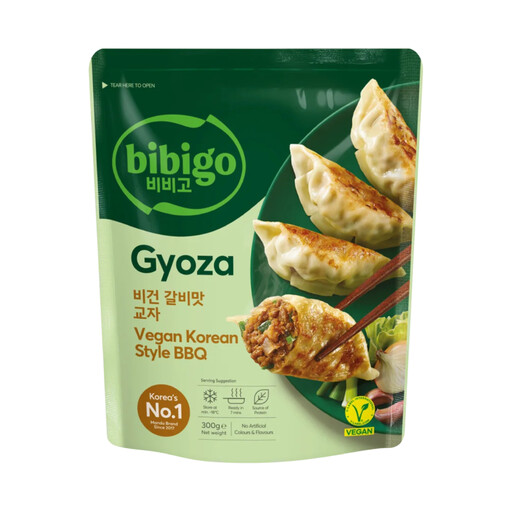
Why this suits the profile: A compact pack to try Korean gyoza first. The instructions mention pan cooking in about 7 minutes or steaming in about 8 minutes.
The 300 g portion stops you buying a large stock straight away. Do note the listed wheat and soya.
Vegan product description, pan and steam cooking, and a clear portion size.
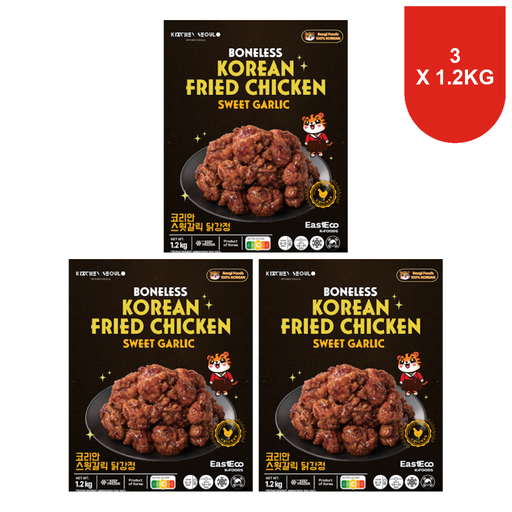
Why this suits the profile: According to the product description, the chicken already has sauce added and can be heated in the air fryer or oven. That suits anyone who prioritises consistent, simple preparation.
The cooking method is clearly stated. Do check the large total quantity and the presence of wheat and soya.
Family pack of 1.2 kg, sauce already added, and suitable for air fryer or oven.
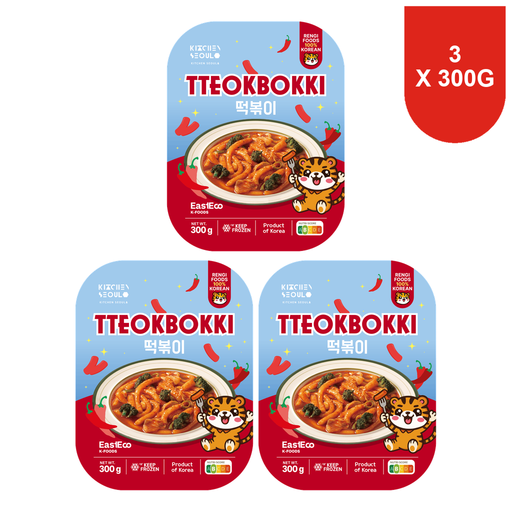
Why this suits the profile: A practical choice for fans of spicy Korean street food. The pack contains rice cakes in sauce and can be used as a snack or part of a meal.
The portions are split across three packs. Check the spiciness and the soya and wheat content beforehand.
Three packs of 300 g, rice cakes with sauce, and a low stated energy value per 100 g.
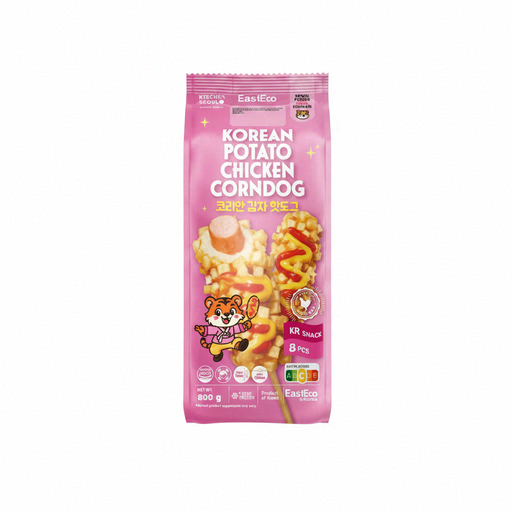
Why this suits the profile: A portion pack with eight Korean corndogs of 100 g each. Handy for a film night, drinks party or quick snack from the oven or air fryer, depending on the pack.
The eight individual portions make the quantity easy to manage. Watch out for gluten, soya, celery, sulphites and possible traces of peanut and egg.
Eight portions of 100 g, chicken sausage in the product and potato in the corndog variety.
We've put together a full, up-to-date list of products that fully meet these strict selection criteria and comply with current European safety regulations.
For ordering and preparing Korean food quickly, products with a short cooking time are practical. Gyoza can go in the pan or steamer, kimbap often in the microwave, and Korean fried chicken in the oven or air fryer. Combine different textures and flavours:
Always check the product pack for the final cooking instructions. Appliances vary in power and temperature distribution.
The shelf life varies by product. Check the date and storage conditions on the pack. Keep the product frozen until use and do not refreeze it once thawed.
Some are. The product information for several Rengi Korean fried chicken and corndog products mentions oven or air fryer cooking. Gyoza and other snacks may have pan or steam instructions instead. Always use the stated time and temperature as a starting point.
That depends on the weight, the number of portions and the combination with rice, vegetables or side dishes. So compare the price per 100 g and work out how many portions you get from a pack. A multi-pack is especially practical if you eat the product regularly and have enough freezer space.
