
当日/次日达

品质保障

开启新人专享福利: 全场免邮 | 低至 2 折 | 免费试用 30 天 JoyPlus 会员
下载 Joybuy
Fancy Korean frozen food, but keen to avoid a disappointing purchase? The packaging may promise street food, restaurant-style dishes or “authentic” flavours, while the practical differences mainly come down to portion size, preparation and ingredients. By checking a few details in advance, you can make a more informed choice from Korean snacks, meals and frozen products.
A family pack may seem appealing for families or an evening with several people. However, it is important to check how many portions the pack actually provides and how much freezer space it requires. A 1.2 kg pack of Korean fried chicken is convenient for several diners, but less suitable if you only want to prepare one portion.
Also look out for multipacks. Three packs of the same product may save you from placing another order, but they take up more space in the freezer and are only practical if you want to eat that flavour regularly.
Not every product is suitable for the same appliance. Some kimbap products are prepared in the microwave, while the product information says that Korean fried chicken should be heated in an air fryer or oven. Gyoza can be prepared in a frying pan, deep fryer or steamer basket.
Before buying, check:
Gochujang, Buldak sauce and red chilli can be particularly prominent in tteokbokki and Flamin-kimbap. Spiciness is a personal matter, so check the product name and ingredients list rather than relying on the photograph alone.
For allergens, the ingredients list is the deciding factor. The products mentioned contain, among other things, gluten, wheat, soya, celery, sesame, barley and sometimes possible traces of peanuts, eggs, milk, nuts, fish or crustaceans. Always check the packaging, as recipes or labels may change.
Frozen products must remain frozen until they are ready to be prepared. The product information for this selection states that the products are stored, packed and transported chilled. The packaging should still be frozen when it arrives. Store the product at the temperature shown on the label, usually around -18 °C, and do not refreeze products once they have thawed.
If you are unsure about the condition of the packaging, a partially thawed product or any damage, it is best to consult the seller’s instructions first.
A 230-gram kimbap is suitable for a quick lunch or light meal. A 300-gram bag of gyoza is ideal for sharing or serving with rice and vegetables. For a family or a film night, family packs of Korean fried chicken or multipacks of corndogs are more practical.
Pay attention to the difference between net weight and the number of pieces. For example, the Rengi Korean Chicken Corndog Potato comes as 8 x 100 grams, while a smaller version contains 2 x 100 grams. This means you do not automatically pay for more than you need.
As well as the flavour name, read the nutritional information per 100 grams. For example, Rengi Korean Fried Chicken Sweet Spicy lists 280 kcal, 13 grams of fat, 30 grams of carbohydrates, 10 grams of protein and 0.49 grams of salt per 100 grams. These values depend on the product and recipe and do not indicate how much you will ultimately eat.
With a vegan option, “vegan” does not automatically mean allergen-free. bibigo Korean BBQ Gyoza contains, among other ingredients, wheat, gluten, soya and sesame. If you have allergies, always check the current label and the warning about possible cross-contamination.
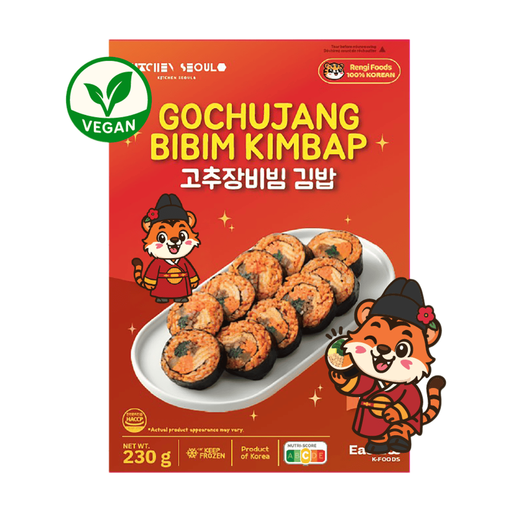
Why it suits this profile: A 230-gram portion and microwave preparation make this kimbap a practical introduction to Asian meals at home.
The weight and microwave preparation are clearly stated. However, check the current label for soya, wheat and sesame.
230 grams; rice, pickled radish, carrot, spinach and mushroom; microwave preparation.
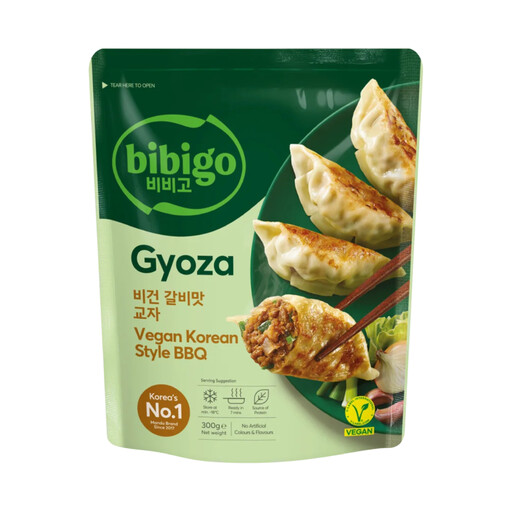
Why it suits this profile: A plant-based option with several preparation methods for shoppers who pay attention to ingredients and texture.
The preparation time is clearly stated: approximately 7 minutes in a frying pan or 8 minutes steaming. “Vegan” does not remove the need to check for soya, wheat and sesame.
300 grams; suitable for a frying pan and steamer basket; filling with cabbage, onion and spring onion according to the product description.
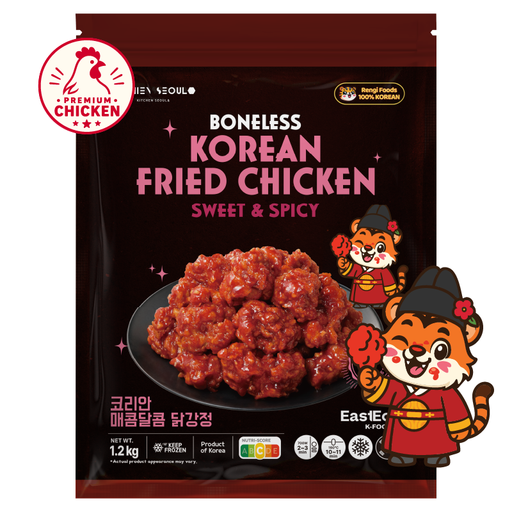
Why it suits this profile: The family pack is designed for several diners and can be heated in an air fryer or oven.
The 1.2 kg portion and preparation method are clear from the outset. Only choose this size if you have enough freezer space and several diners.
Boneless chicken; sweet and spicy sauce; prepare in an air fryer or oven; 280 kcal and 0.49 grams of salt per 100 grams according to the product information.
We have put together a complete, up-to-date list of products that fully meet these strict selection criteria and the applicable European safety regulations.
Follow the preparation instructions on the packaging. Gyoza is often prepared straight from frozen in a frying pan or steamer basket. According to the product description, kimbap can be prepared in the microwave. Heat Korean fried chicken in the oven or air fryer. Times and temperatures vary by product.
Keep them unopened and continuously frozen until the date shown on the packaging. Shelf life may vary by product. Once thawed, store the product in the refrigerator and use it within the specified period. Do not refreeze it.
For minimal preparation, kimbap and gyoza are practical choices. If you want to serve street food, you could choose tteokbokki or a Korean corndog. Korean fried chicken is better suited to a larger meal or a shared occasion, especially in a family pack. Always check the appliance requirements, portion size, spiciness and allergens beforehand.
