
Vandaag of morgen in huis

Kwaliteit gegarandeerd

Welkomstaanbiedingen ontgrendelen: GRATIS bezorging | Tot 80% korting | Gratis 30 dagen JoyPlus-proefperiode
Download de app
A lightweight Korean facial sunscreen SPF 50 can be comfortable for everyday use, but not every popular formula suits every skin type. A radiant finish may feel less comfortable on oily skin, while a mattifying formula can leave dry skin feeling tight. Terms such as “hydrating”, “reef-safe” or “suitable for sensitive skin” are not always enough to base your product choice on.
This practical guide helps you assess protection, texture, ingredients and intended use. That way, you can avoid buying an SPF 50 facial cream that ultimately goes unused.
SPF mainly refers to protection against UVB rays, which can cause redness, among other effects. UVA protection is also important for everyday sun protection. So check whether the product has a UVA rating, such as PA++++, or states that it offers broad-spectrum UVA/UVB protection.
The PA classification is widely used for K-beauty sunscreen. This is useful additional product information, but it does not automatically replace European labelling. When buying, also check the packaging and the information about the responsible market operator.
A watery or lotion-like sunscreen may absorb quickly while still leaving a sheen. Hydrating ingredients such as glycerine, rice extract, birch sap or hyaluronic acid are particularly appealing for dry or combination skin. If you have oily skin, look instead for terms such as “airy”, “light”, “non-sticky” or “matte finish”.
Also pay attention to the ingredients list. A formula may be fragrance-free while still containing certain plant extracts or oils that not everyone finds comfortable.
Mineral sunscreen uses ingredients such as zinc oxide or titanium dioxide. Haruharu Wonder Black Rice Pure Mineral Sunscreen states that zinc oxide may initially leave a slight white cast and needs to be blended in carefully. This is not a hidden flaw, but it is a characteristic worth considering if you have a medium or dark skin tone.
A chemical or hybrid sunscreen often blends in more transparently, but an individual skin reaction is still possible. Always test a new sunscreen on a small area of skin first.

Why it suits this profile: According to the product details, this facial cream with SPF 50+ has a lightweight, hydrating cream texture with 30% rice extract and fermented ingredients.
The product description states that the formula is fragrance-free, leaves no white cast and does not feel sticky. It is also described as suitable for sensitive skin; individual tolerance may vary.
SPF 50+, PA+++, fragrance-free, vegan according to the product information, and suitable for everyday use.
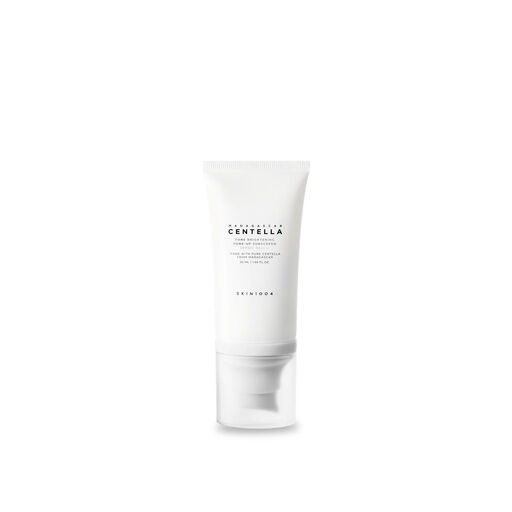
Why it suits this profile: The light peach tint is designed to make the complexion look more even. The product details state that it offers SPF 50+ and PA++++.
The tint makes a white cast less noticeable, but it may still be visible on some skin tones. A patch test helps you assess the colour and comfort before use.
SPF 50+, PA++++, a lightweight texture, tint and ingredients such as niacinamide and Centella Asiatica in the stated formula.
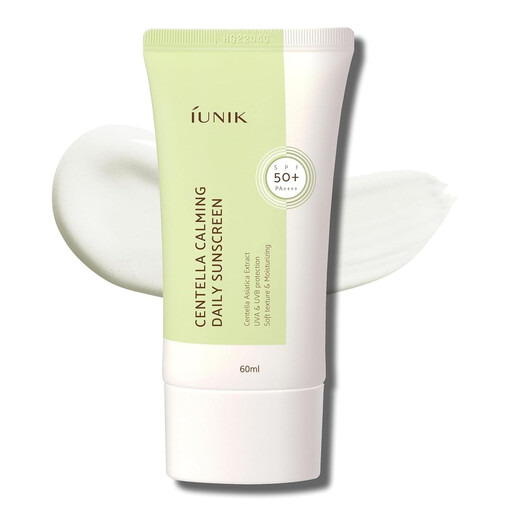
Why it suits this profile: The product information states that it offers SPF 50+, UVA and UVB protection, a fragrance-free formula and is described as vegan.
The product description states that fragrance is not included in the formula. However, always check the current label, especially if you have reacted to cosmetic ingredients in the past.
SPF 50+, PA++++, 60 ml, fragrance-free according to the product information, and designed for everyday use.
We have put together a complete, up-to-date list of products that fully meet these strict selection criteria and the applicable European safety regulations.
Apply sunscreen as the final step in your morning routine, after serum and moisturiser. Spread the product evenly over your face, ears and neck. Applying the correct amount is more important than using a thin layer that feels comfortable. Reapply after prolonged sun exposure, sweating, swimming or drying yourself.
Sunscreen for sensitive skin requires extra care. Avoid applying it to damaged or irritated skin, keep the product out of your eyes, and stop using it if persistent redness, itching or swelling occurs. A cosmetic product is not a substitute for medical advice.
It can be, provided the formula suits your skin and you apply enough of it. Ideally, choose a product with clear SPF 50 or SPF 50+ information and an additional UVA rating. Reapplication is important for outdoor activities.
Check the expiry date and the period-after-opening information on the packaging. Store the tube in a cool, dry place, away from direct sunlight and high temperatures. A change in smell, colour or texture may be a reason to stop using the product.
The price mainly depends on the brand, size, ingredients and texture. SPF 50 is not automatically more expensive than SPF 30. Compare the price per millilitre and consider whether you genuinely enjoy using the formula every day. A product that feels comfortable is generally applied more consistently.
