
Vandaag of morgen in huis

Kwaliteit gegarandeerd

Welkomstaanbiedingen ontgrendelen: GRATIS bezorging | Tot 80% korting | Gratis 30 dagen JoyPlus-proefperiode
Download de app
Korean facial sunscreens are known for their lightweight textures, hydrating ingredients and a finish without an obvious white cast. However, not every product is suitable for everyday use in the UK. A high SPF on the packaging does not tell you everything about the texture, UVA protection or how well a cream sits under make-up.
As a Joybuy Product Recommendation Officer, I filter product information based on verifiable features. This helps you avoid choosing a product based solely on a popular name or appealing claim.
SPF mainly refers to protection against UVB rays. For daily facial protection, UVA protection is also important. On Korean products, this is often shown as PA+++ or PA++++. Also check whether the packaging displays the UVA symbol commonly used in the EU.
An SPF50 product is not automatically suitable for every situation. If you spend a lot of time outdoors, cycle, walk or exercise, you should also consider reapplication and any water-resistance claims.
A gel or serum may feel comfortable on oily skin, but offer too little comfort for dry skin. Conversely, a rich, hydrating sunscreen may become shiny or pill under make-up when you use several skincare products.
That is why you should consider the full formula. Glycerine, hyaluronic acid, rice extract and panthenol are commonly used in hydrating sunscreens. A product containing alcohol, fragrance or essential oils may be less suitable for some sensitive skin types. This does not mean the formula will irritate everyone; skin reactions vary from person to person.
Mineral sunscreen uses filters such as zinc oxide or titanium dioxide. These can leave a visible cast on some skin tones, although this varies depending on the formula and quantity used. Chemical sunscreen uses organic UV filters and is often spread more thinly, but the finish also depends on the formulation.
So check both the ingredients and the product description. If you have sensitive skin, it is sensible to test the product on a small area of skin before using it every day.
For an everyday SPF50 facial sunscreen, these are practical points to check:
An SPF30 product may be suitable for everyday use with limited exposure, but if you are specifically looking for an SPF50 PA++++ sunscreen, check the rating for each product. Not all products in this category have the same SPF and PA values.
“Suitable for sensitive skin” is not a guarantee for every user. According to some brands’ product information, their formulas have been tested for skin irritation or are intended for sensitive skin. This remains a product claim made by the brand, however, and is not a guarantee that it will suit you personally.

Why it suits this profile: If you want to combine a comfortable Korean skincare routine with daily protection, the product information describes a cream formula containing 30% rice extract.
The description mentions a lightweight, non-sticky finish without a white cast. Always check the current packaging and ingredients list when buying.
SPF50+ PA+++, 50 ml, fragrance-free according to the product details, and a hydrating cream base.
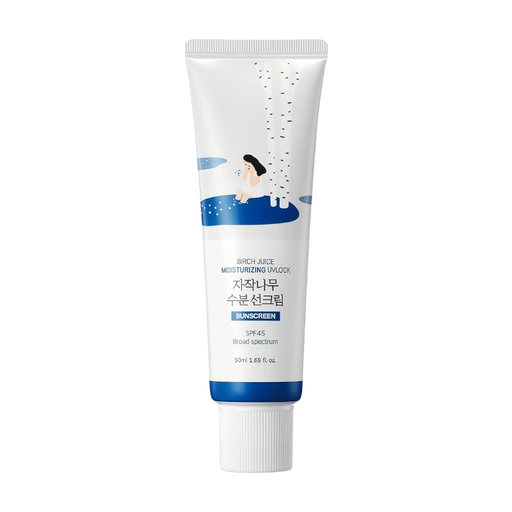
Why it suits this profile: The chemical formula contains several UV filters and moisturising ingredients. This suits users looking for an SPF50 formula with a caring feel for everyday use.
The ingredients list makes the choice of filters verifiable. The cream does not contain zinc oxide as its main UV filter, which may be relevant if you want to avoid a mineral white cast.
50 ml, SPF50 according to the product name, glycerine, sodium hyaluronate and several chemical UV filters according to the list.
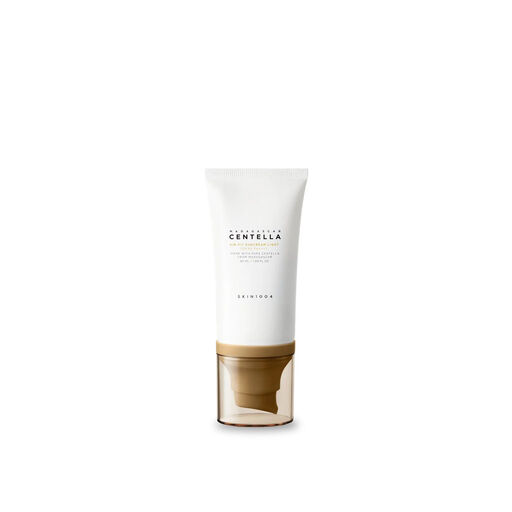
Why it suits this profile: According to the product information, this is a mineral sunscreen containing zinc oxide, SPF30 and PA++++. Its lightweight finish is intended for normal and sensitive skin types.
The product description mentions a minimised white cast, but a mineral formula may look different depending on your skin tone. Test it along your jawline first.
Zinc oxide, Centella asiatica according to the ingredients list, SPF30 and PA++++ according to the product information.
Apply sunscreen as the final step of your morning routine, after serum and moisturiser. Use enough product for your face, ears and neck. Applying too thin a layer reduces the protection compared with the value stated on the packaging.
When using new products, first wait until previous layers have absorbed to reduce pilling under make-up. Reapply when you are outdoors for extended periods and always after swimming, sweating or drying yourself. When buying, check the expiry date, batch information and current ingredients on the packaging.
We have put together a complete, up-to-date list of products that fully meet these strict selection criteria and the applicable European safety regulations.
That depends on the formula. Check for fragrance, alcohol, essential oils and the UV filters used. A patch test can help you assess your personal tolerance. Stop using the product if you experience redness, itching or a burning sensation, and follow the safety instructions on the packaging.
Follow the product’s instructions. Many descriptions recommend reapplying approximately every two hours and after swimming, sweating or drying yourself. Reapplication is particularly important during prolonged exposure to sunlight.
Yes, several lightweight formulas are described as suitable for use under make-up. Apply thin layers of skincare, allow each layer to absorb and test beforehand to make sure the products do not pill when used together.
