
Vandaag of morgen in huis

Kwaliteit gegarandeerd

Welkomstaanbiedingen ontgrendelen: GRATIS bezorging | Tot 80% korting | Gratis 30 dagen JoyPlus-proefperiode
Download de app
Korean facial sunscreen is renowned for its lightweight textures, hydrating ingredients and a finish with no visible white cast. Yet not every formula is suitable for daily use in the UK. A high SPF on the packaging, for example, doesn't tell you everything about the texture, UVA protection or how pleasant the product is to reapply.
SPF mainly tells you about protection against UVB radiation. For daily facial skincare, UVA protection is also important. So look for a rating such as PA+++ or PA++++, but when buying products in the UK, also check whether the packaging carries a European UVA logo. PA is an Asian rating system and is not the same as full EU product testing.
A sunscreen SPF 50 or SPF 50+ offers a higher UVB protection category than SPF 30, according to the product information. That doesn't mean you can apply less. The amount you use and reapplying remain key to the protection you actually get in practice.
Ingredients such as hyaluronic acid, glycerin, rice extract and panthenol can suit a dry skin, but a rich formula can feel heavy on oily or combination skin. Conversely, a very light gel may need an extra moisturiser for dry skin.
Terms like Centella sunscreen or sunscreen for sensitive skin are also no guarantee that everyone will tolerate the product without a reaction. Check the ingredients list, look out for fragrance and test a new formula on a small area of skin first. Stop if you experience redness, itching or irritation, and follow the safety information on the packaging.
A light sunscreen with no white cast is pleasant, especially under make-up. But a product you don't want to reapply defeats its own purpose. For beach days, cycling and sports, water resistance and a practical size matter more than just a glowy finish. Check the specific product description for this; a light facial sunscreen is not automatically water-resistant.
For daily use on the face, many consumers choose SPF 50 or SPF 50+, especially during prolonged sun exposure. Apply sunscreen as the last step of your skincare routine, before make-up. Most product listings recommend reapplying after swimming, sweating or towel drying, and approximately every two hours during extended exposure.
The recommended amount for the face is generous enough to cover the entire face and neck evenly. In practice, the two-finger rule is often used: a strip of product along your index and middle fingers for face and neck. You can apply it in two layers to prevent clumping.
Also check the size. A 50 ml tube is handy for daily use, while a mini of 12 to 20 ml can be suitable for a handbag or short trip. A twin pack can work out more cost-effective when you apply generously every day and reapply regularly.
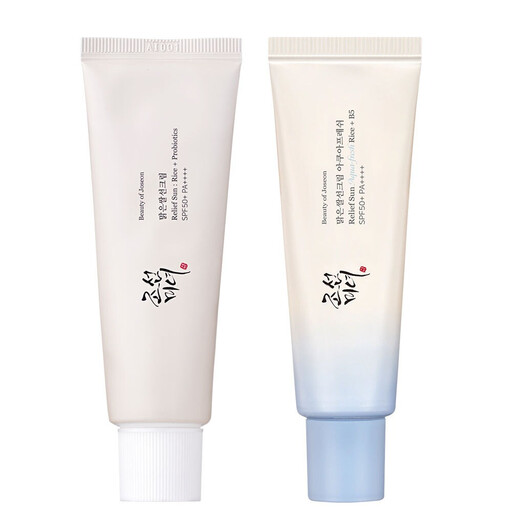
Why this fits the profile: Two 50 ml tubes are practical for daily use at home and on the go. The product description mentions rice extract, fermented grain extracts and a light finish.
The value pack reduces the chance that you'll skimp on application or put off reapplying. Do check the current SPF listing for each variant.
Twin pack of 2 x 50 ml; according to the product description, lightweight texture and no white cast.
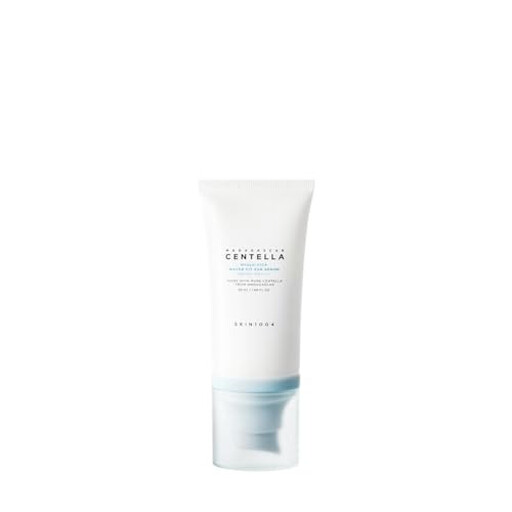
Why this fits the profile: The serum-like formula is aimed at users looking for a hydrating sunscreen with a light, fast-absorbing texture.
According to the product description, the ultra-light formula absorbs quickly and leaves no sticky feeling or white film.
SPF 50+ and PA+++ according to the product listing; Hyalu-Cica combines hyaluronic acid with Centella, according to the brand.

Why this fits the profile: The compact size fits in a bag and is handy for travel, walking or topping up during the day.
The product description mentions a water-resistant formula. Always check the current packaging and instructions for use before swimming or intense exercise.
SPF 50+ and 12 ml content; according to the product information, lightweight and water-resistant.
A hyaluronic acid sunscreen can suit dry skin, while Centella formulas appeal to those looking for a soothing skincare routine. The BIRCH Juice Moisturizing Sunscreen contains, among other things, glycerin, sodium hyaluronate, hydrolysed hyaluronic acid and niacinamide. The ingredients list also mentions chemical UV filters. If you're looking for vegan sunscreen, check the specific product listing and packaging; vegan claims do not automatically apply to every product from a brand.
We've put together a full, up-to-date list of products that fully meet these strict selection criteria and comply with current European safety regulations.
That depends on the formula and the individual. Check for fragrance, alcohol and other ingredients you may be sensitive to. A product description may indicate a formula is suitable for sensitive skin, but that is no guarantee for your skin. Test it on a small area first and do not use sunscreen on damaged or irritated skin.
The duration of protection depends on exposure, perspiration, swimming and towel drying. Product listings generally recommend reapplying after these activities and approximately every two hours during prolonged exposure. Make-up can make topping up more difficult; a thin extra layer or a suitable sunscreen stick can be practical, but check that you're using enough product.
Yes, many light serums, gels and essences are designed for this. Let your skincare absorb briefly first and apply the sunscreen evenly. Then wait until the layer feels dry before applying make-up. If pilling or flaking occurs, the cause can sometimes be the combination of products, the amount used or not enough waiting time.
