
Vandaag of morgen in huis

Kwaliteit gegarandeerd

Welkomstaanbiedingen ontgrendelen: GRATIS bezorging | Tot 80% korting | Gratis 30 dagen JoyPlus-proefperiode
Download de app
Korean facial sunscreens are known for their lightweight textures, hydrating formulas and finishes that work well under make-up. However, not every sunscreen is automatically suitable for daily use in the Netherlands. Attractive packaging or a term such as “water-fit” says little about the protection, ingredients or suitability for your skin.
Pay particular attention to these common pitfalls:
For daily UV protection on the face, many consumers choose SPF50 facial sunscreen. A higher SPF does not mean you need to use less product. Apply sunscreen generously and evenly as the final step in your skincare routine.
As well as the SPF, check the UVA rating. With Korean products, you will often see PA+++ or PA++++. This is an additional indication of UVA protection. For products you use outdoors, also check the information on the packaging, such as water resistance and the recommended method of reapplication.
A lightweight sunscreen or sun essence can be useful when you use several skincare products or wear make-up. A cream with a hydrating finish is generally better suited to dry or tight-feeling skin. For oily or combination skin, a non-greasy or matte finish may feel more comfortable.
A sunscreen with no white cast is particularly important for darker skin tones. Mineral filters such as zinc oxide can sometimes leave a visible cast, although this varies from formula to formula. Chemical UV filters often provide a more transparent finish, but always check the full ingredients list if you are prone to reactions.
Many Korean sunscreens contain hydrating ingredients such as glycerine, hyaluronic acid, rice extract or panthenol. Centella asiatica is often found in products marketed as soothing. According to the brands’ own product information, Centella may contribute to a comfortable skin feel; this is not a medical effect or a guarantee against redness.
If you have sensitive or redness-prone skin, pay extra attention to:
Test a new product on a small area of skin first and stop using it if you experience persistent redness, itching, swelling or a burning sensation. If in doubt, consult a dermatologist.
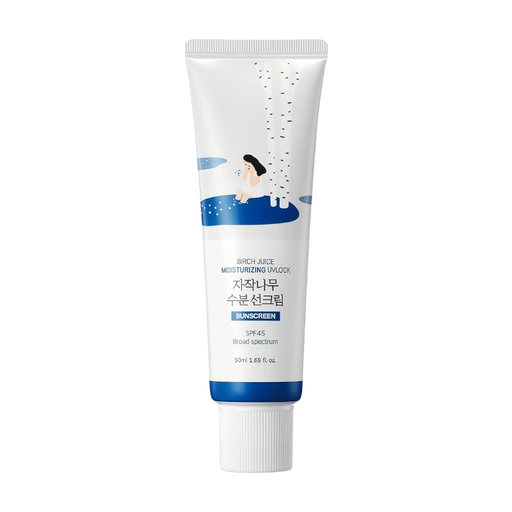
Why it suits this profile: The 50 ml packaging and SPF50 formula make this a straightforward choice for anyone looking for a daily facial sunscreen for the first time. The ingredients list includes glycerine, niacinamide and various forms of hyaluronic acid.
The product information lists the chemical UV filters individually. This allows you to compare the formula rather than relying solely on terms such as “moisturising”.
SPF50, 50 ml, glycerine and hyaluronic acid in the ingredients list; according to the usage information, reapply after swimming, sweating or drying off.
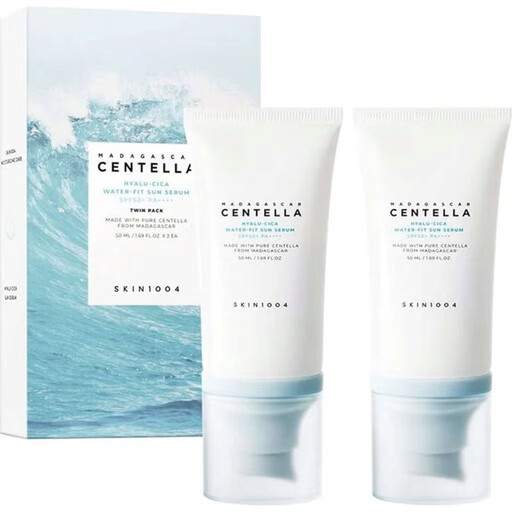
Why it suits this profile: If you apply sunscreen every day, a twin pack containing two 50 ml bottles can be a practical choice. The product description mentions SPF50, vegan credentials, a hydrating formula and suitability for different skin types.
Choosing two tubes means you are not simply focusing on a popular ingredient name: the size, frequency of use and product features are clearly stated.
Twin pack totalling 100 ml; product information states that it is vegan, cruelty-free, hydrating and suitable for sensitive skin, among other skin types.

Why it suits this profile: The compact 12 ml size is practical for a handbag, short trip or reapplying on the go. The product information states SPF50+ and a water-resistant formula.
The small size makes it suitable for reapplication, but the quantity is limited. So check the price per millilitre before ordering.
SPF50+, 12 ml and, according to the product information, water-resistant; reapplication is still necessary after swimming, sweating or drying off.
Apply facial sunscreen as the final step in your morning routine, after serum and moisturiser. Ideally, give the product 15 to 30 minutes to spread across the skin before spending a prolonged period outdoors. Do not forget your ears, neck and hairline.
For daily exposure, reapplication is important. Do this approximately every two hours when spending a long time outdoors and immediately after swimming, exercising, sweating or drying off. A lightweight formula that works well under make-up makes this easier, but the amount applied remains crucial for effective protection.
A 50 ml tube is compact, but with daily use it may run out sooner than expected. Check the expiry information and batch details on the packaging. Store sunscreen in a cool, dry place, away from direct sunlight and high temperatures.
We have put together a complete, up-to-date list of products that fully meet these strict selection criteria and the applicable European safety regulations.
That depends on the ingredients and your individual response. If you are sensitive to fragrance, choose a fragrance-free formula where possible and check the full ingredients list. A product containing Centella or labelled “vegan sunscreen” is not automatically suitable for everyone either. A patch test can help you get an initial indication.
When exposed to the sun for a prolonged period, reapplication is generally advised every two hours. Reapply after swimming, sweating or drying off. SPF50 sunscreen does not remain unchanged on the skin all day.
Look for terms such as lightweight texture, serum, essence or gel, and check whether the product information mentions a non-sticky finish. Apply enough sunscreen first and allow it to absorb briefly. Beauty of Joseon Relief Sun and various Hyalu-Cica formulas are presented in their product descriptions as lightweight and suitable for everyday use; always check how they work with your particular make-up.
