
Livraison le jour même et le lendemain

Qualité garantie

Débloquez vos offres de bienvenue: Livraison GRATUITE | Jusqu'à -80 % | 30 jours d'essai gratuits à JoyPlus
Téléchargez l'application
Korean facial sunscreens are known for their lightweight textures, hydrating ingredients and formulas that sit comfortably under make-up. However, attractive packaging or a promise of “glow” is not enough. The right choice depends on the SPF rating, UVA protection, filters, skin type and wearing comfort.
Anyone who uses sunscreen every day quickly notices which products feel too greasy, start to pill or leave a white cast. By considering the points below, you can avoid a disappointing purchase and find a facial sunscreen that fits your routine.
SPF mainly indicates protection against UVB rays. UVA protection is also important for everyday UV protection. Look for wording such as PA++++, “broad spectrum” or a clear UVA indication on the packaging. Also consider the difference between SPF 30 and SPF 50+: SPF 50+ is particularly practical if you spend a lot of time outdoors, are on holiday or are enjoying sunny days.
A serum-like or watery formula feels comfortable, but it is often applied too thinly. As a result, the level of protection may be lower than stated on the label. Apply an even, generous layer to your face and neck. Reapplication is necessary during prolonged exposure, for example after swimming, sweating or drying yourself.
A product may be described as suitable for sensitive skin, but still contain ingredients that do not agree with you. Check the full INCI list. Pay particular attention to fragrance, essential oils, alcohol denat. and certain preservatives. Test a new sunscreen on a small area of skin first. Stop using it if you experience redness, itching, swelling or a burning sensation.
For everyday use in the Netherlands, many consumers choose SPF 50 facial sunscreen. This is a practical option if you spend time outdoors regularly. A product with SPF 30 may be suitable for shorter exposure, but always check the full SPF and UVA information.
The product descriptions for the selected formulas generally advise reapplying every two hours and after swimming, sweating or drying yourself. No sunscreen remains fully intact throughout the day without limit.
Chemical UV filters absorb UV radiation. The BIRCH Juice Moisturizing Sunscreen lists Diethylamino Hydroxybenzoyl Hexyl Benzoate, Ethylhexyl Triazone and other organic filters.
A mineral sunscreen uses ingredients such as zinc oxide or titanium dioxide. Skin1004 Air-Fit Suncream Light contains Zinc Oxide. Mineral formulas may be more visible on some skin tones, although the product description for this model mentions a lightweight texture and limited white cast.
Hybrid formulas combine both types of filter. If you are unsure, check the INCI list rather than relying solely on terms such as “natural” or “clean”.
Ingredients such as Centella Asiatica, niacinamide and aloe are often found in Korean formulas. Their presence tells you something about the formulation, but does not guarantee a particular result for your skin. Claims about soothing or caring properties come from product information provided by the brand or seller and should not be interpreted as medical effects.
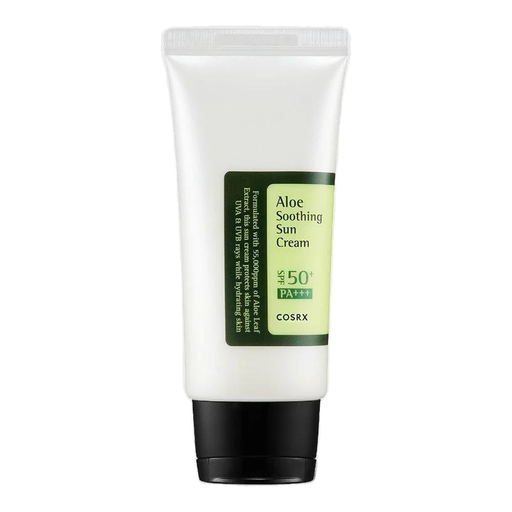
Why it suits this profile: The 50ml size and SPF50+ make this an accessible choice for anyone trying Korean SPF 50 for the first time. According to the product description, the formula is lightweight and suitable for use under make-up.
The product information mentions a combination of chemical and mineral filters, as well as a finish without a white cast. However, check the current packaging and ingredients list before buying.
SPF50+, 50ml, aloe in the product description and a lightweight formula according to the listed product specifications.

Why it suits this profile: This cream is suitable for users who want a nourishing feel alongside SPF 50+. The listed formula contains rice extract, glycerine and fermented ingredients.
The product description mentions a lightweight, fragrance-free formula without a white cast. This is helpful for everyday use, but applying enough product remains essential.
SPF50+ PA+++, 50ml, fragrance-free according to the product details and suitable for use on the face.

Why it suits this profile: The compact size is practical for topping up on the go. According to the product description, the milk formula has a lightweight texture and is water-resistant.
The small size makes it easier to reapply. Check the current packaging for precise water-resistance information.
SPF50+, 12ml and a milk texture according to the product details; suitable for situations where you spend a lot of time outdoors.
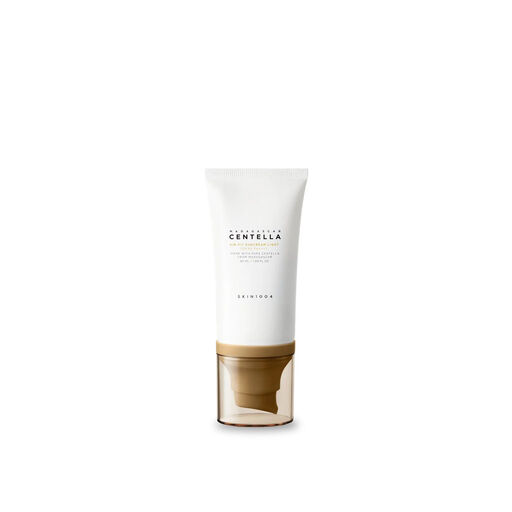
Why it suits this profile: This formula uses Zinc Oxide and contains Centella Asiatica. The stated SPF30 PA++++ may be suitable for everyday use with limited exposure.
The choice of filters is clearly shown in the ingredients list. If you are concerned about a white cast, test the finish on your own skin first.
Mineral sunscreen with Zinc Oxide, 50ml and Centella Asiatica according to the product information.
We have put together a complete, up-to-date list of products that fully meet these strict selection criteria and the applicable European safety regulations.
Store the tube in a cool place away from direct sunlight. Check the expiry information and batch details on the packaging. It is best not to use an opened product if its smell, colour or texture has changed.
It can be, provided the formula is suitable for your skin and you apply it correctly. Check the SPF, UVA indication, ingredients and any warnings. If you have sensitive skin, a patch test is a sensible first step.
For prolonged exposure, product listings generally advise reapplying approximately every two hours. You should also do this after swimming, sweating or drying yourself. Staying indoors does not automatically mean that reapplication is necessary; your circumstances and exposure to daylight determine the practical choice.
Choose a lightweight, fast-absorbing formula that is not sticky and does not roll when you apply other products over it. Aloe Soothing Sun Cream, Beauty of Joseon Relief Sun and SKIN1004 Hyalu-Cica Water-Fit Sun Serum are described in the product information as lightweight options. Always test the combination with your own day cream and make-up, as products can react differently when layered on different skin types.
