
Vandaag of morgen in huis

Kwaliteit gegarandeerd

Welkomstaanbiedingen ontgrendelen: GRATIS bezorging | Tot 80% korting | Gratis 30 dagen JoyPlus-proefperiode
Download de app
Korean facial serums are popular because they often combine several skincare benefits: hydration, a more even-looking complexion, soothing care or support for blemish-prone skin. Still, it is unwise to rely solely on terms such as “glow”, “glass skin” or “deep hydration”. The formula, concentration and directions for use play a much greater role in determining whether a K-beauty serum is right for you.
In this buying guide, you will learn what to look for in a serum for face, which ingredients are relevant and which popular options suit different skin types.
A serum containing dozens of ingredients is not automatically the better choice. Start by looking at the key active ingredients and their order on the ingredients list. Glycerin, hyaluronic acid, panthenol and beta-glucan are particularly useful for hydration. Niacinamide, vitamin C derivatives, alpha-arbutin and tranexamic acid are frequently used in formulas designed to promote a more even-looking complexion.
Also consider the ingredients already present in your other products. Using several potent actives at the same time can make your routine unnecessarily complicated.
A niacinamide serum containing 10% may sound appealing, but a lower concentration can be more comfortable if your skin is prone to reacting. The same applies to an acne serum containing salicylic acid or a serum for pigmentation containing azelaic acid. The product description and full ingredients list are more important than the percentage displayed on the front of the packaging.
Sensitivity varies from person to person. Check whether the formula contains fragrance, alcohol, retinal, retinol, acids or essential oils. A patch test on a small area of skin can help you assess a product cautiously before applying it more widely. Discontinue use if irritation occurs and always follow the warnings on the packaging.
A hyaluronic acid serum is primarily focused on hydration and generally feels lightweight on the skin. A peptide serum contains ingredients such as acetyl hexapeptide-8 or copper peptides. A retinal serum requires greater care: retinal can increase sensitivity to sunlight. Use it according to the instructions, usually in the evening, and apply sunscreen during the day.
When using an azelaic acid serum, introducing it gradually is important. The product information for some 10% formulas recommends starting once or twice a week. Do not immediately combine several exfoliating or highly active products.
Do not compare price alone; consider the amount of product as well. A 15 ml bottle can be convenient for trying a retinal product, while 30 or 50 ml may be more practical for daily use. Check the expiry date, batch information and the period after opening stated on the packaging.
Apply a serum after cleansing and, if desired, after toner. Follow with a moisturiser to complete your routine. In the morning, use sunscreen whenever this is required according to the product warnings.
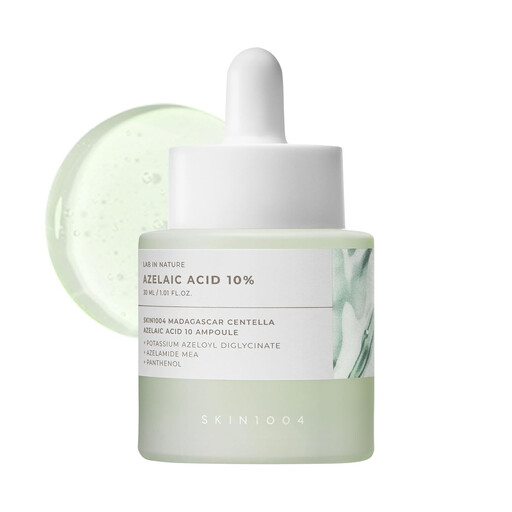
Why it is a good match: According to the product information, this 30 ml ampoule is designed for skin prone to blemishes and visible redness. The formula contains 10% azelaic acid and Centella Asiatica.
The instructions recommend starting every other day, helping you avoid introducing too much of an active ingredient at once.
A niacinamide-free formula with Centella Asiatica, making it relevant for users who prefer to avoid niacinamide.
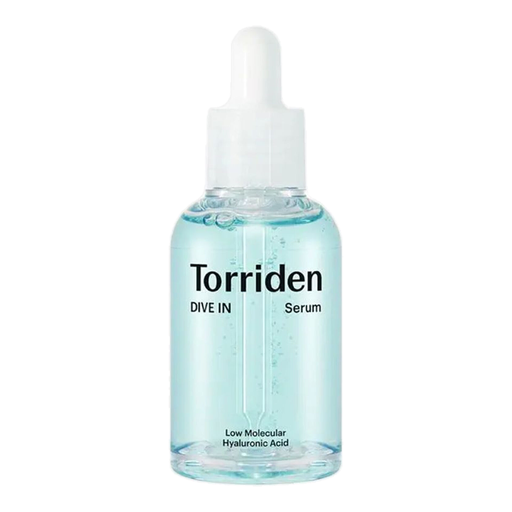
Why it is a good match: The product description highlights a complex of five types of hyaluronic acid, complemented by panthenol, ceramide NP and beta-glucan. This makes it a logical option for a hydration-focused routine.
The formula focuses on hydration rather than multiple exfoliating actives. Do check that the texture remains comfortable beneath your moisturiser.
A 50 ml size, fragrance-free product information and several moisture-binding ingredients.
Explore a current selection of serums with different formulas and skincare goals, allowing you to compare ingredients, size and usage.
Start with a simple, fragrance-free hydrating formula containing ingredients such as glycerin, panthenol, beta-glucan or hyaluronic acid. If you want to try an active ingredient such as retinal or azelaic acid, begin with a small amount and do not use it every day. Always check the warnings and test the product on a small area first.
You can, but introduce products one at a time. Ideally, combine a hydrating serum with one targeted active serum. Take care when combining retinal, retinol, acids and high concentrations of niacinamide. This makes it easier to identify which products your skin tolerates well—and which it does not.
This depends on the bottle size and how many drops you use each time. With daily use, a 30 ml bottle will generally last longer than a 15 ml mini. Store the serum according to the packaging instructions, close the bottle securely and check the recommended period of use after opening.
