
Vandaag of morgen in huis

Kwaliteit gegarandeerd

Welkomstaanbiedingen ontgrendelen: GRATIS bezorging | Tot 80% korting | Gratis 30 dagen JoyPlus-proefperiode
Download de app
A Korean facial serum can be a targeted addition to your daily skincare routine. However, it can be difficult to compare products fairly. Attractive packaging, a long ingredients list or a promise of smoother skin does not automatically mean that a serum is right for your skin.
The most common pitfalls when choosing Korean facial serums are:
Start by choosing based on your goal, and only then consider the brand or packaging.
A gel serum usually feels lightweight and is often suitable for combination or normal skin. A richer lotion-like or oily texture may feel more comfortable on dry skin. For sensitive skin, a short ingredients list, a fragrance-free formula and a low concentration of active ingredients are practical points to consider.
Also check claims such as vegan, alcohol-free, fragrance-free or dermatologically tested in the latest product information. A claim is specific to the product and does not mean that every product from the same brand has the same properties.
A pump bottle limits contact with air and fingers. A dropper bottle requires hygienic use: ideally, avoid touching the skin with the dropper. Vitamin C can be sensitive to light and air. According to product information, the Vitamin C23 serum should be stored in the fridge and used within two months of opening to maintain the stated optimum quality.
With retinal and retinol, the directions for use and sun protection are particularly important. For example, start by using a small amount every few evenings. Stop using the product if you experience persistent redness, itching or a burning sensation. Test a new serum on a small area of skin first, especially if you have sensitive skin.
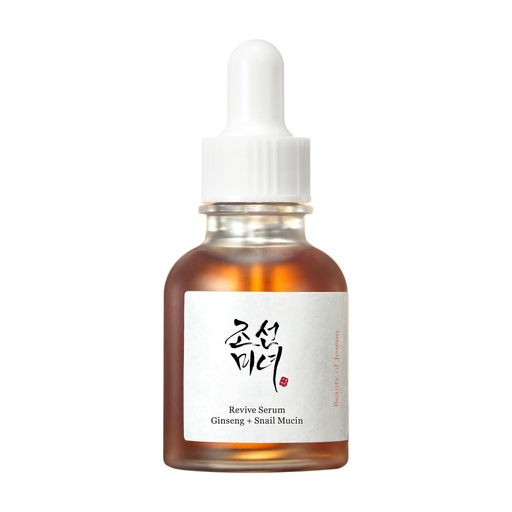
Why it suits this profile: The gel texture and combination of glycerine, niacinamide, sodium hyaluronate and hyaluronic acid are suitable for dry, normal or combination skin looking for extra moisture.
The product information clearly states the skin types and purpose, so you do not have to choose the serum based solely on a general “glow” claim.
30 ml, pump bottle, gel texture and, according to the product specifications, alcohol-free and fragrance-free.
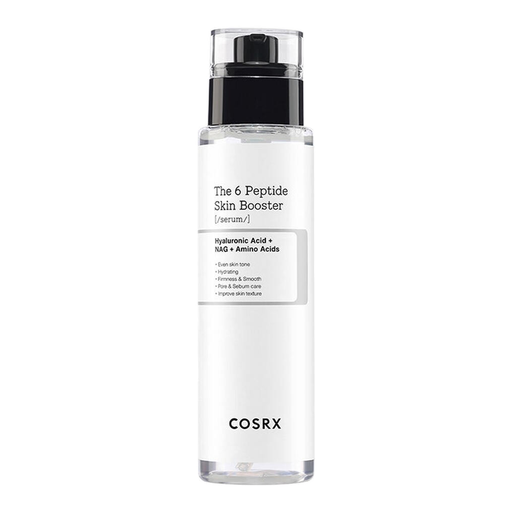
Why it suits this profile: The generous 150 ml size and lightweight formula are ideal for anyone who wants to use a booster every day before applying moisturiser.
The ingredients list names six types of peptides, niacinamide and sodium hyaluronate. Comparable product details make the choice easier to verify than vague terms on the front of the packaging.
150 ml, six types of peptides and suitable for use in the morning and/or evening according to the product description.
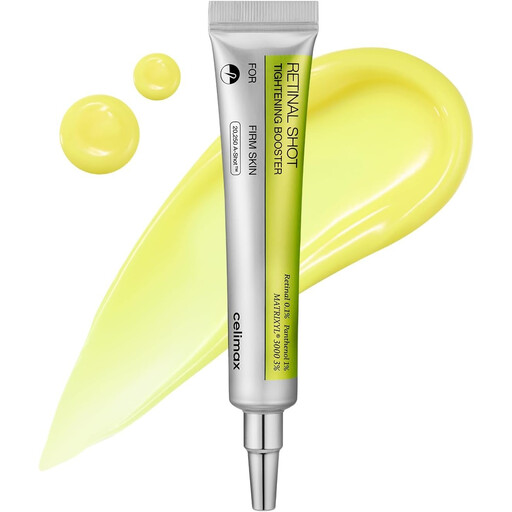
Why it suits this profile: The 0.1% retinal formula is aimed at users who deliberately want to incorporate a vitamin A product for skin texture and fine lines into their evening routine.
The directions recommend starting in the evening, keeping the amount small and using sunscreen during the day. This helps prevent overuse.
0.1% pure retinal, 15 ml and clear warnings about sun sensitivity and gradually increasing frequency of use.
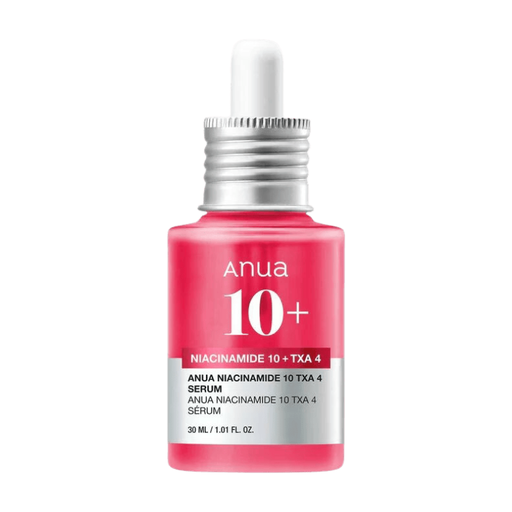
Why it suits this profile: The combination of 10% niacinamide and 4% tranexamic acid is suitable for a routine targeting an uneven complexion, post-acne marks and a dull appearance.
The percentages of the two key active ingredients are clearly stated. This makes it easier to compare the serum with a gentler niacinamide formula.
30 ml, fragrance-free product specification and added hyaluronic acid, panthenol and ceramide.
We have put together a complete, up-to-date list of products that fully meet these strict selection criteria and the applicable European safety regulations.
Cleanse your face, use toner if you wish, then apply a few drops of serum. Gently pat the product into your skin and finish with moisturiser. Use sunscreen during the day. When using active ingredients such as retinal, retinol or a high concentration of vitamin C, it is best to introduce them gradually.
This depends on the size, dosage and frequency of use. A 30 ml bottle used daily will generally last for less time than a 150 ml booster. Always check the shelf-life information on the packaging and follow any instructions regarding use after opening.
You can, but do not combine several strong actives straight away. For example, start with a simple hydrating serum containing hyaluronic acid. Only then add a vitamin C serum, niacinamide serum or retinal serum. product information, for example, warns against using a high concentration of vitamin C at the same time as retinol and certain copper peptides.
