
Vandaag of morgen in huis

Kwaliteit gegarandeerd

Welkomstaanbiedingen ontgrendelen: GRATIS bezorging | Tot 80% korting | Gratis 30 dagen JoyPlus-proefperiode
Download de app
Korean facial serums are popular thanks to their lightweight textures, active ingredients and wide range of options. However, an attractive label does not guarantee that a product will suit your skin or routine. A Korean skincare serum may hydrate, help the skin look more even or support the care of blemishes, but its ingredients and directions for use ultimately determine whether it is a sensible purchase.
A vitamin C serum with a high concentration may sound appealing, but it may be less suitable for sensitive or inexperienced skin. Retinol, retinal, acids and spicules also require a gradual introduction. So, do not just check the percentage. Also look at the recommended frequency of use and any warnings.
Niacinamide serum, azelaic acid serum, vitamin C and retinoids can each have a place in a skincare routine. If you use several strong products at the same time, it becomes difficult to identify which product is causing a reaction. It is better to start with one new serum and give your skin time to adjust.
Terms such as “glow”, “glass skin” or “anti-ageing serum” often describe a desired cosmetic effect rather than a guaranteed result. According to a brand’s own research, certain ingredients may help improve the appearance of the skin, but such claims are not a substitute for independent medical advice. Instead, look at verifiable details such as the ingredients, volume, texture and usage instructions.
An ingredient prominently displayed on the front of the packaging does not always indicate how much of it the formula contains. Check the INCI list and look out for any known sensitivities. A serum for sensitive skin is not automatically suitable for everyone: fragrances, essential oils, acids and high concentrations of active ingredients can also cause a reaction.
Volumes vary considerably, from 9 ml ampoules to 50 or 100 ml bottles. A small size is useful for trying out a formula, while a larger bottle may be more practical for daily use. According to the product description, some vitamin C products should be stored in a cool place and protected from light. Always check the expiry date and the information on the packaging.
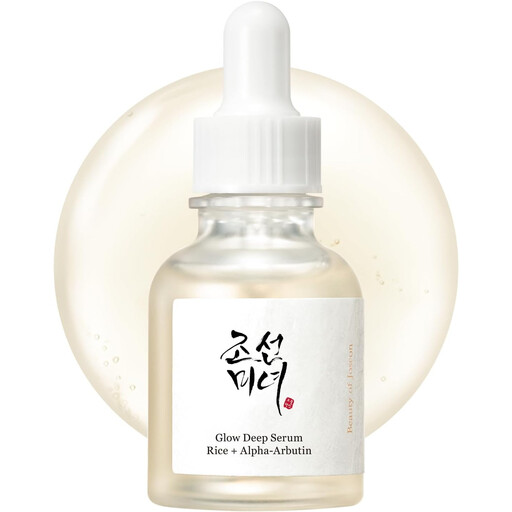
Why it suits this profile: A straightforward choice for anyone looking for a lightweight formula to hydrate the skin and create a more even-looking complexion. The bottle contains 30 ml and is suitable for use alongside a basic routine.
The product description lists a clear formula containing rice bran water, 2% alpha-arbutin and niacinamide. However, check beforehand whether your skin tolerates niacinamide.
30 ml volume; lightweight, hydrating texture; alpha-arbutin listed at 2% in the product information.
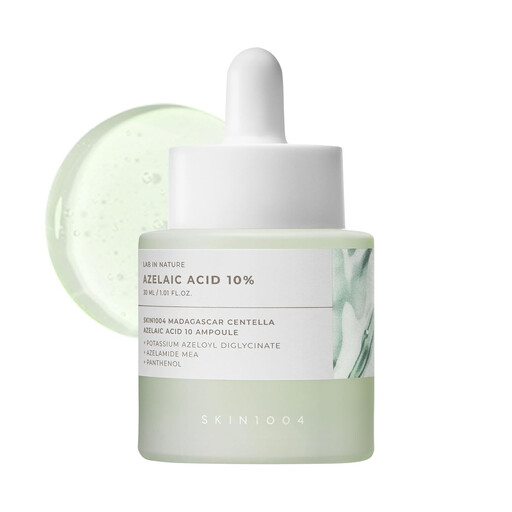
Why it suits this profile: A targeted option for anyone looking for skincare for blemish-prone skin, visible redness and an uneven-looking complexion.
The product information states that it is a niacinamide-free formula and recommends using it every other day during the first week. This makes the introduction schedule clearer for users who avoid combining multiple actives.
10% azelaic acid according to the product name; Centella Asiatica; 30 ml volume; usage guidance of 2 to 3 drops.
We have put together a complete, up-to-date list of products that fully meet these strict selection criteria and the applicable European safety regulations.
Look for a short ingredients list, a fragrance-free formula and a low frequency of use. An azelaic acid serum without niacinamide may be worth considering if you specifically want to avoid niacinamide. Introduce each new product separately.
This depends on the volume, dosage and frequency of use. With a few drops per application, a 30 ml bottle will generally last longer than a 9 ml ampoule. Always follow the shelf-life information on the packaging. According to their product information, vitamin C products may require extra attention to storage and usage period once opened.
Sometimes, but do not immediately combine several strong actives. Start with one hydrating facial serum and only add a brightening serum, niacinamide serum or anti-ageing serum later. It is best to use retinoids and concentrated vitamin C at different times, following the manufacturer’s warnings.
