
Vandaag of morgen in huis

Kwaliteit gegarandeerd

Welkomstaanbiedingen ontgrendelen: GRATIS bezorging | Tot 80% korting | Gratis 30 dagen JoyPlus-proefperiode
Download de app
A Korean facial serum can be a practical addition to your daily skincare routine. However, it is not wise to rely solely on terms such as “glow”, “lifting” or “deep repair”. The right choice mainly depends on your skin type, the active ingredients, the concentration and how easily the product fits into your routine.
In this buying guide, Joybuy Product Recommendation Officer highlights the most important considerations. This helps you avoid buying a serum that is too strong, oxidises quickly or does not suit your skin’s needs.
A vitamin C serum with a high percentage may seem appealing, but a powerful formula is not automatically suitable for sensitive skin. According to the product information, Vitamin C23 contains 23% ascorbic acid. It is recommended to carry out a patch test first, store the product in the fridge and avoid using it at the same time as retinol or other potent active ingredients.
So do not focus only on the percentage. Also consider:
Words such as “repair”, “anti-ageing” and “collagen boost” do not guarantee a visible effect for every user. A brand’s own research may suggest that certain ingredients can contribute to a particular skin appearance, but such claims are not the same as a medically proven effect.
Instead, look at verifiable product information, such as niacinamide, hyaluronic acid, alpha-arbutin, retinal, bakuchiol or the stated volume. An anti-wrinkle facial serum may temporarily leave your skin feeling smoother or plumper, but it is not a substitute for medical treatment.
Combining a vitamin C serum, retinol serum, retinal serum, exfoliant and serum for dark spots can make your skin feel uncomfortable. It is better to start with one goal and one active product. Only add something else later once your skin is tolerating the formula well.
For dry skin, humectants and soothing ingredients are worth considering. According to the product formulations, glycerin, panthenol, beta-glucan and sodium hyaluronate help the skin retain moisture. A hydrating serum with a lightweight gel texture can feel comfortable under a cream.
A serum for sensitive skin should ideally have a short, straightforward formula without fragrance. Also check whether the packaging recommends a patch test. “Suitable for all skin types” is a product description, not a personal guarantee.
Choose the ingredient based on your main skincare goal:
With a formula containing retinal, retinol, vitamin C or azelaic acid, it is important to build up use gradually. Always follow the label. During the day, wear sunscreen as part of a routine containing ingredients that may increase sensitivity to the sun.
Vitamin C formulas are sensitive to light, heat and air. For the Vitamin C23 serum, recommends storing it in the fridge and using it within two months of opening to help preserve the active ingredients. Also check the expiry date and batch information on the packaging.
Pay attention to the size too. A 500 ml bottle, such as Naturie Hatomugi Essence, is worth considering if you want to use an essence generously every day. A 15 or 20 ml serum containing a potent active ingredient, on the other hand, calls for careful dosing.
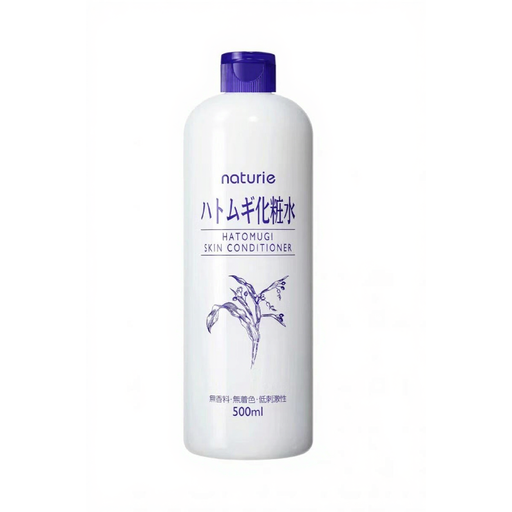
Why it suits this profile: The generous size and lightweight, non-greasy lotion texture are ideal if you want to add simple hydration first, without immediately buying several active serums.
The product information focuses on hydration and ease of use, rather than a high concentration of potent actives. This makes it easier to keep your routine straightforward.
500 ml size, lightweight texture and layering as described by the product information.
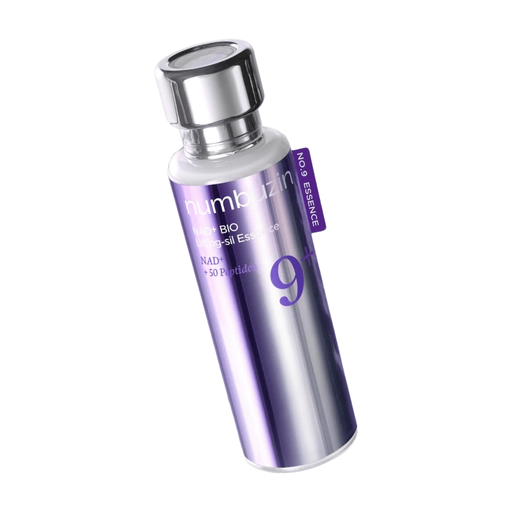
Why it suits this profile: If you are looking for a richer essence for mature or dry skin, you can compare the ingredients list with your own preferences. The formula contains niacinamide, adenosine, sodium hyaluronate, beta-glucan and peptides, among other ingredients.
The detailed ingredients list shows which substances are present. Always check the current list on the packaging, particularly if you have sensitive skin.
50 ml size, fragrance-free formula according to the product information, and several hydrating and conditioning ingredients.
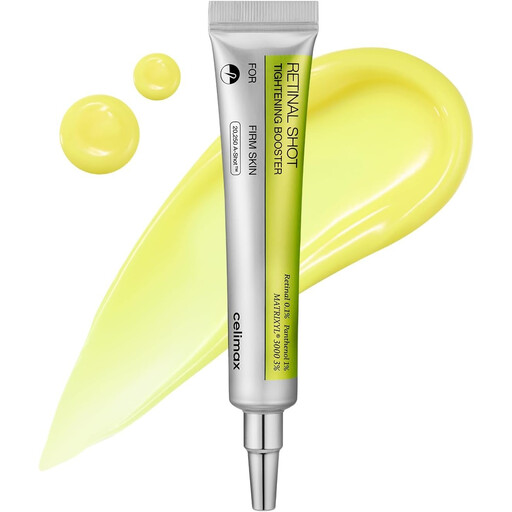
Why it suits this profile: This product is aimed at users specifically looking for a retinal serum. The product information states that it contains 0.1% pure retinal and 3% Matrixyl 3000 for evening use.
The instructions advise building up use gradually, applying it every other evening. They also warn against using too much product, contact with the eyes and inadequate sun protection during the day.
0.1% retinal, 15 ml size and clear instructions for night-time use according to the product description.

Why it suits this profile: According to the product description, this serum contains vitamin C, niacinamide, allantoin and sea buckthorn extract. The formula is described as vegan, fragrance-free and free from colourants.
The product information states that it contains no fragrance or colourants. Even so, check the current packaging and test a small amount before using it daily.
30 ml size, watery non-sticky texture and a formula with vitamin C and niacinamide according to the product description.
We have put together a complete, up-to-date list of products that fully meet these strict selection criteria and the applicable European safety regulations.
A facial essence is usually lighter and more focused on providing an additional layer of moisture. A serum often contains a more clearly targeted active ingredient. Both can be used in the same routine, but this is not essential.
Look for a formula containing glycerin, hyaluronic acid, panthenol, beta-glucan or ceramides. An essence with a lightweight texture can be applied in several layers. Finish with a cream to help prevent the moisture from evaporating too quickly.
This may overload the skin more quickly, particularly when both formulas are concentrated. It is best to use them at different times, for example vitamin C in the morning and retinal in the evening. Start with a low frequency and follow the warnings on the label.
This varies by formula and packaging. Check the shelf-life information on the packaging. Vitamin C can be particularly sensitive to air, heat and light; some products have additional storage recommendations. A change in smell, colour or texture is a reason to stop using the product.
