
Vandaag of morgen in huis

Kwaliteit gegarandeerd

Welkomstaanbiedingen ontgrendelen: GRATIS bezorging | Tot 80% korting | Gratis 30 dagen JoyPlus-proefperiode
Download de app
A Korean facial serum can be a useful addition to your daily skincare routine, but the wide range of options can make choosing difficult. Are you mainly looking for hydration, a soothing serum or support for your skin barrier? You will soon come across terms such as “glow”, “intensive repair” and “deep action”. On their own, these words reveal little about the formula.
That is why the right choice starts not with the packaging, but with your skincare goal, the ingredients list and the directions for use.
A serum containing dozens of plant extracts may appear comprehensive, but more ingredients do not automatically mean that the product is better suited to your skin. Pay particular attention to which active ingredients appear near the top of the ingredients list. Glycerine, panthenol, hyaluronic acid, ceramides and Centella Asiatica are often used in hydrating or soothing formulas.
Also look out for ingredients your skin has reacted to in the past. A serum may contain perfume, alcohol or essential oils, for example. If you have sensitive skin, a simple formula is often easier to assess than a product containing many potential irritants.
A brand may present a serum as gentle or soothing. Whether this is based on the brand’s own research or the product description, it does not mean that every user will have the same experience. Always check the official ingredients list and safety warnings.
For example, the serum for sensitive skin from Beauty Of Joseon is described as free from essential oils. However, the formula does contain alcohol. This will not necessarily be a problem for everyone, but it is relevant information if your skin quickly feels dry or tight.
An azelaic acid serum, niacinamide serum or vitamin C formula may be specifically suited to a particular skin concern. However, combining several active serums straight away makes it more difficult to determine what your skin can and cannot tolerate.
Start with one new product. If the formula is more intensive, begin with a small amount and gradually build up how often you use it, as indicated in the directions for the ANUA Azelaic Acid 10 Hyaluron Redness Soothing Serum. Stop if you experience persistent redness, itching, swelling or a burning sensation, and follow the warnings on the packaging.
A hydrating facial serum often contains moisture-binding ingredients such as glycerine, betaine, panthenol or different forms of hyaluronic acid. These types of serum are suitable for dry or dehydrated skin, especially when followed by a moisturiser to help lock in moisture.
Common ingredients in soothing serums include Centella Asiatica, panthenol, allantoin and green tea. Centella serum formulas generally have a lightweight texture. However, check whether the product also contains perfume or other ingredients you would prefer to avoid.
If your main concern is an uneven complexion or visible blemishes, you may wish to look for ingredients such as niacinamide, vitamin C, arbutin or tranexamic acid. The results depend on the complete formula and how you use it. Cosmetics are not a substitute for treatment from a doctor or dermatologist.
A facial ampoule is usually fluid and concentrated, but the term is not regulated in the same way everywhere. Look at the actual ingredients and directions for use rather than relying solely on the word “ampoule”.
A watery formula, such as the SKIN1004 Madagascar Centella Ampoule, can be pleasant when you use several layers of skincare. A gel- or lotion-like texture may be better suited to dry skin looking for greater comfort. Also check the volume: 20, 30, 50 and 100 ml are common sizes. A larger bottle is only better value if you use the product regularly and finish it within its shelf life.
Check the packaging for the expiry date, batch code and period after opening. Store the serum according to the instructions, usually in a cool place away from direct sunlight. Use the product only on the skin and avoid contact with the eyes.
Products containing azelaic acid are often best introduced gradually. During the day, also use a sun protection product in line with the product instructions. A patch test on a small area of skin can help you assess a new formula cautiously, but it cannot guarantee that irritation will not occur.
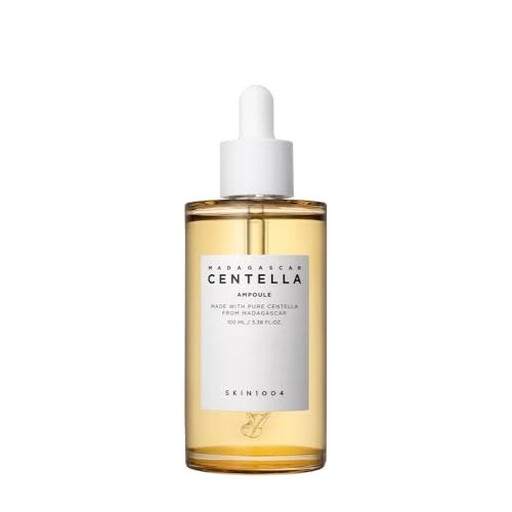
Why it suits this profile: The watery texture and 55 ml size make this a straightforward starting point for anyone looking for a simple Centella serum.
The product description identifies Centella Asiatica extract as a key ingredient, so you do not have to rely solely on marketing terms.
55 ml; lightweight formula; product description mentions hydrating and soothing use.
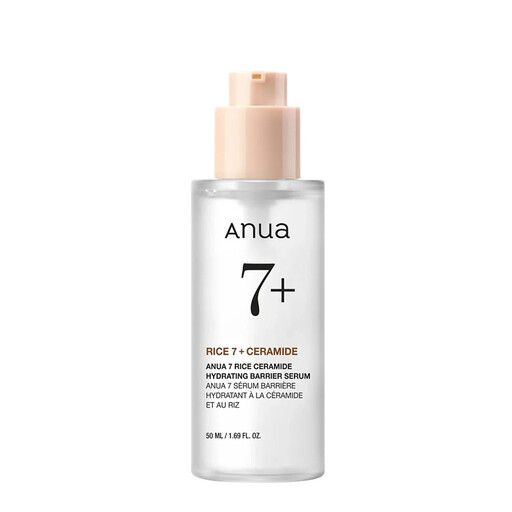
Why it suits this profile: This serum focuses on hydration and the skin barrier, with ingredients including glycerine, panthenol, sodium hyaluronate and Ceramide NP.
The ingredients list makes the barrier-focused formula easy to verify. Bear the listed fragrance in mind if you prefer to avoid perfume.
50 ml; Ceramide NP; directions recommend using 2–3 drops morning and evening.
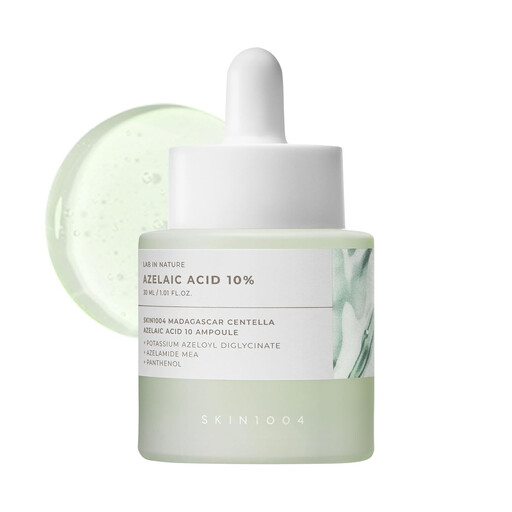
Why it suits this profile: The formula contains 10% azelaic acid and Centella Asiatica and is intended for a targeted routine for blemish-prone or redness-prone skin.
The concentration is clearly stated. Introduce it gradually as directed, and do not combine it straight away with several strong active products.
10% azelaic acid; niacinamide-free formula; directions recommend gradually building up use.
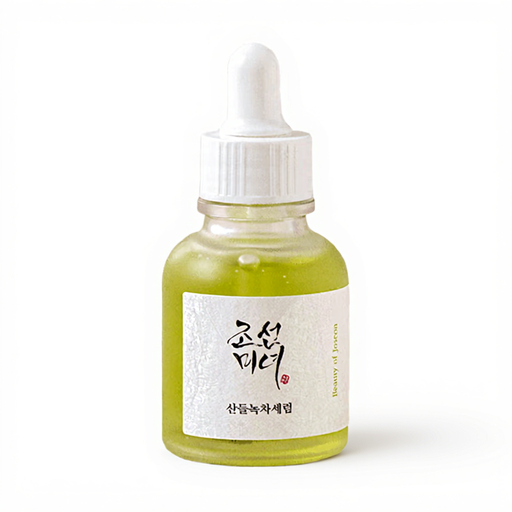
Why it suits this profile: According to the product information, the lightweight formula contains green tea water, panthenol and Centella Asiatica, and is intended for a hydrating, soothing routine.
The product details state, among other things, that it is alcohol-free, fragrance-free and vegan. Always check the current packaging when purchasing.
30 ml; 5% panthenol according to the product description; use 2–3 drops at a time.
We have put together a complete, up-to-date list of products that fully meet these strict selection criteria and the applicable European safety regulations.
First cleanse your face and use toner if desired. Then apply a few drops of serum to your face and neck. Gently pat the product into your skin and finish with a moisturiser. During the day, use sun protection when this is appropriate according to the product instructions. Start with one serum so that you can monitor your skin’s reaction properly.
This depends on the volume and the amount used each time. At 2–3 drops per application, a 50 ml bottle will generally last longer than a 20 or 30 ml version. Also check the period after opening and store the serum away from direct sunlight. A larger size is not automatically better value if you cannot finish it before it expires.
This varies from person to person and depends on the formula. Azelaic acid may cause tingling, dryness or irritation when you first use it. Follow the brand’s directions, test it on a small area of skin first and introduce it gradually. Do not use it on damaged skin, and stop if you experience clear or persistent irritation.
