
Vandaag of morgen in huis

Kwaliteit gegarandeerd

Welkomstaanbiedingen ontgrendelen: GRATIS bezorging | Tot 80% korting | Gratis 30 dagen JoyPlus-proefperiode
Download de app
A Korean facial serum can be a useful addition to your daily skincare routine. However, it is not wise to rely solely on terms such as “glow”, “glass skin” or “intensive action”. The right choice mainly depends on your skin type, the ingredients and how easily the product fits into your routine.
A vitamin C serum with 23% ascorbic acid may sound appealing, but a high concentration can be less comfortable for some users. A niacinamide serum with 10% or an azelaic acid serum with 10% should also be introduced gradually.
Pay attention to:
According to a brand’s own research, ingredients may help with hydration, a more even-looking complexion or smoother-looking skin. This is not a guarantee that every user will achieve the same result. Product descriptions such as “reduces dark spots” or “improves elasticity” should therefore be viewed as the manufacturer’s cosmetic claims, not as a guaranteed personal result.
Using several powerful ingredients at the same time can make your routine unnecessarily complicated. For example, do not simply combine a strong vitamin C serum, retinol or retinal and an exfoliating product in one routine. Start with one new product and see how your skin responds.
When using ingredients that may increase sensitivity to sunlight, it is important to apply a broad-spectrum sunscreen during the day. Always follow the instructions on the packaging.
Do not use five serums for five different purposes. Decide what matters most right now:
The ingredients list provides more information than a prominent claim on the packaging. Also look for substances you personally prefer to avoid, such as fragrance, alcohol or certain plant extracts. Ingredients can change, so check the list on the packaging for the most recent version.
A serum for sensitive skin is not automatically suitable for everyone with sensitive skin. If in doubt, carry out a patch test on a small area of skin first. Stop using the product if you experience persistent redness, itching, swelling or a burning sensation.
A serum is only practical if you use it correctly. It is usually applied after cleansing and, if desired, toner, followed by a moisturiser. Use two to three drops unless the product instructions state otherwise.
Also pay attention to:
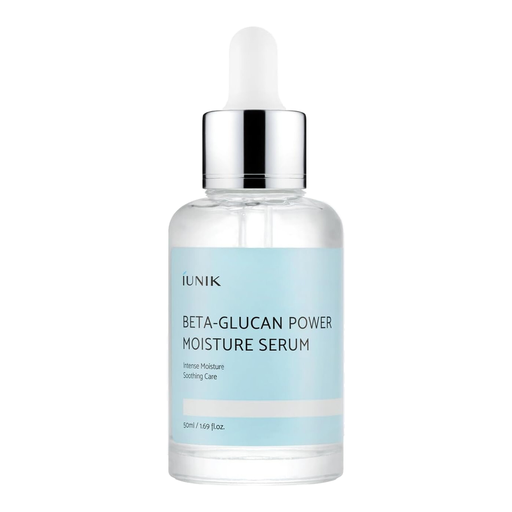
Why it suits this profile: A straightforward choice for anyone mainly looking for hydration and wanting to start with a simple serum routine. The formula states that it contains 100% beta-glucan and comes in a 50 ml size.
The focus is on moisturising care, without a long list of several strong acids or retinoids in the product description.
Beta-glucan as the main ingredient, quick absorption according to the product description and a 50 ml size.
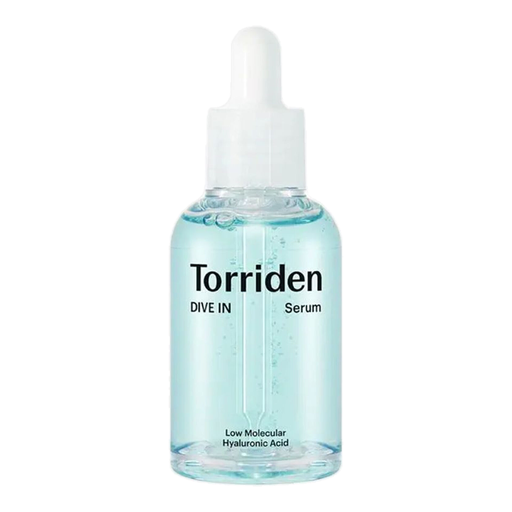
Why it suits this profile: Suitable for users looking for a hydrating serum with several supporting ingredients and who already have an extensive Korean skincare routine.
The product information mentions five types of hyaluronic acid and states that the formula is fragrance-free, making the choice easy to verify based on the ingredients.
Contains hyaluronic acid, panthenol, ceramide NP and beta-glucan; according to the product description, it is suitable for all skin types.
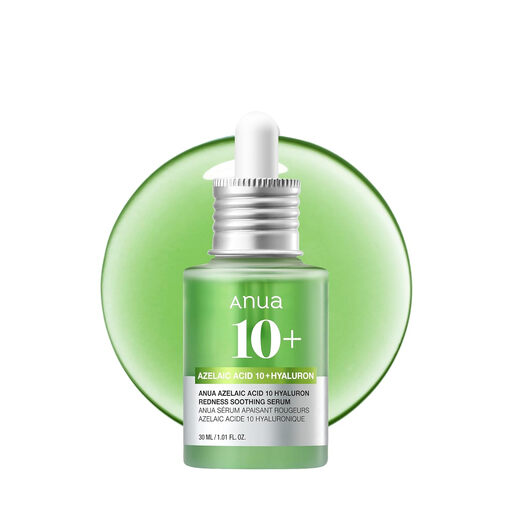
Why it suits this profile: For anyone specifically looking for an azelaic acid serum for an uneven complexion, visible redness or skin prone to blemishes.
The usage instructions recommend starting with 1 to 2 drops once or twice a week. This helps beginners avoid using too much active ingredient straight away.
Contains 10% azelaic acid, panthenol, glycerine, centella asiatica and ceramide NP. Sunscreen is required during the day according to the product information.
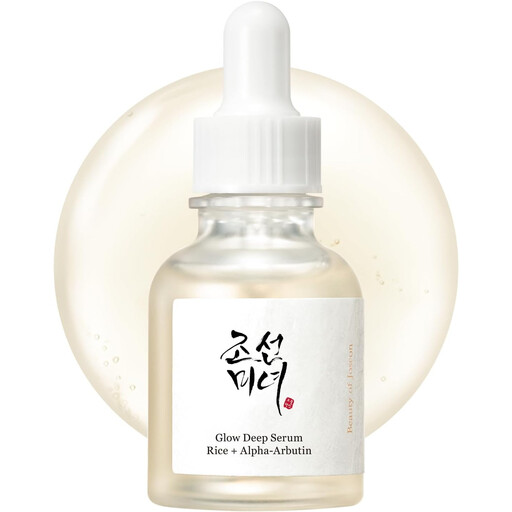
Why it suits this profile: A sensible option for anyone looking for a lightweight, hydrating formula for a dull-looking complexion and visible pigmentation.
The formula states specific amounts: 68.6% rice bran water and 2% alpha-arbutin. This makes it easier to compare the product with other options.
Contains alpha-arbutin, niacinamide, glycerine and panthenol; the packaging states that it contains 30 ml.
We have put together a complete, up-to-date list of products that fully meet these strict selection criteria and the applicable European safety regulations.
When trying a new product, start by using it infrequently. Do not introduce several active serums at once. For example, a hydrating serum with hyaluronic acid can be used at a different time from a product containing retinal or a high concentration of vitamin C.
Look for a short ingredients list and soothing substances such as panthenol, beta-glucan, centella asiatica and allantoin. Avoid introducing several active ingredients at the same time. A patch test is still advisable, even with a product that the brand’s own research says is suitable for sensitive skin.
This depends on the formula. A hyaluronic acid serum is often used in the morning and evening, while azelaic acid, high-concentration vitamin C and retinal are best introduced gradually. Follow the usage instructions and reduce the frequency if irritation occurs.
Check the expiry date and the period after opening on the packaging. Store the product according to the instructions. Some vitamin C formulas need to be refrigerated and have a shorter recommended period of use after opening. If the scent, colour or texture changes noticeably, stop using the product.
