
Vandaag of morgen in huis

Kwaliteit gegarandeerd

Welkomstaanbiedingen ontgrendelen: GRATIS bezorging | Tot 80% korting | Gratis 30 dagen JoyPlus-proefperiode
Download de app
A Korean facial serum can be a useful addition to your routine, but not every product suits every skin type. A lightweight gel texture can feel comfortable on oily skin, while dry or mature skin may benefit more from hydrating ingredients followed by a nourishing cream.
The biggest mistake isn’t necessarily choosing the wrong brand, but picking a serum based on a bold claim without checking the formula and instructions for use.
A niacinamide serum with a high percentage may sound appealing, but a potent formula may be less suitable for sensitive or freshly cleansed skin. Also look for supporting ingredients such as panthenol, glycerine, hyaluronic acid or centella asiatica.
When using acids, retinol or azelaic acid, it’s important to build up gradually. Even a product described as suitable for daily use may cause irritation in practice if you combine it with several other active serums.
Phrases such as “minimises pores”, “removes pigmentation” or “boosts collagen” often describe a cosmetic aim, not a guaranteed result. A brand’s own research may measure certain visible improvements under specific conditions. That doesn’t mean every user will see the same effect.
So look for verifiable information: ingredients list, concentration, volume, frequency of use and warnings.
Combining a retinol serum with AHA, BHA, azelaic acid or a spicule product can put unnecessary strain on your skin. Start with one active product and use it for a few weeks before adding a second. During the day, pair active ingredients with a sunscreen offering suitable protection.
Ingredients are listed in descending order of quantity, with exceptions for ingredients present in low concentrations. Also check that the ingredients on the packaging match the online information; formulas can change.
For cosmetics sold in the EU, relevant details include an ingredients list, the responsible person and safety information. Also check the batch number, expiry date or period after opening. For products containing retinol, acids or azelaic acid, warnings about sun exposure, eyes and irritated skin are especially important.
A pump bottle limits contact with air and fingers. A dropper can be practical, but needs to be closed and stored carefully. Check the volume too: many serums contain 30 ml, while some ampoules contain as little as 9 ml. This affects the price per millilitre and how long the product will last.
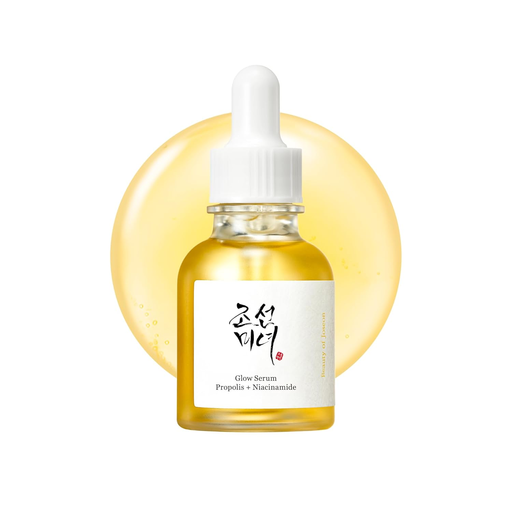
Why it suits this profile: According to the product information, the formula combines 60% propolis extract and 2% niacinamide in a lightweight, honey-like texture for everyday use.
The stated concentrations and ingredients are clearly listed, so you don’t have to rely on a generic glow claim alone.
30 ml, niacinamide, glycerine and sodium hyaluronate; easy to slot into an existing routine.
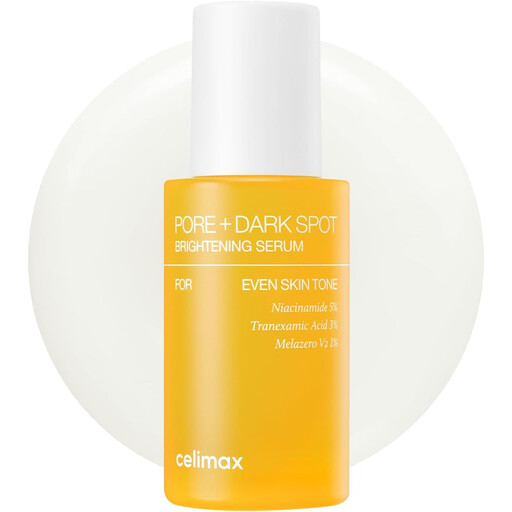
Why it suits this profile: A good option if you’re looking for a serum for visible pores with a lightweight gel texture and a fragrance-free formula, according to the product description.
The product information gives specific percentages: 5% niacinamide and 3% tranexamic acid, rather than relying on a vague claim about pores.
30 ml, hyaluronic acid, allantoin and a pump dispenser; designed to target pores, skin tone and hydration.
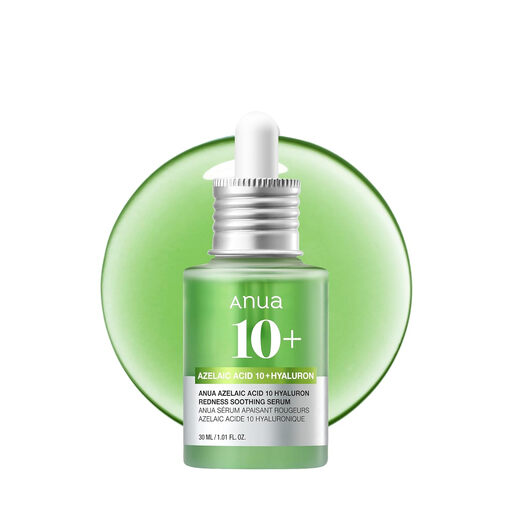
Why it suits this profile: The instructions recommend starting with 1–2 drops once or twice a week, then gradually increasing use.
The warnings mention possible dryness, patch testing on a small area of skin and avoiding broken skin.
10% azelaic acid, panthenol, allantoin, centella and ceramide NP; suitable for a routine targeting redness and uneven skin tone.
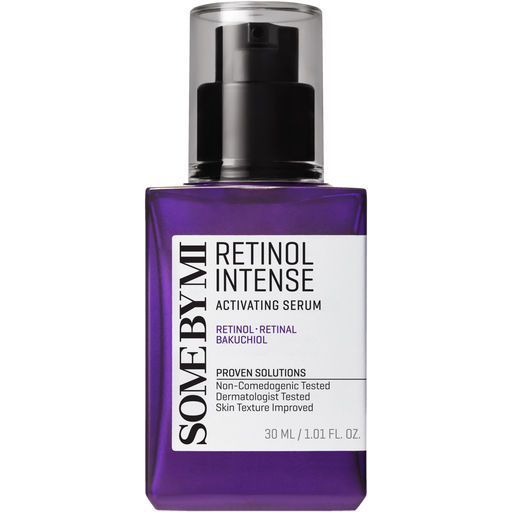
Why it suits this profile: The product information lists 0.1% retinol, retinal, bakuchiol, panthenol and ceramide NP for a gradually established evening routine.
The instructions recommend using a small amount less often at first. They also advise against combining it with acids.
30 ml, retinol and retinal combined with beta-glucan, panthenol and ceramides; designed for evening use.
We’ve put together a complete, up-to-date list of products that meet these strict selection criteria and the applicable European safety requirements.
It depends on the volume and how much you use. A 30 ml bottle used a few drops at a time may last several weeks. Always check the period after opening and store the serum in a cool, dry place away from direct sunlight.
That depends on the formula. A hydrating facial serum with glycerine or hyaluronic acid is often used daily. It’s best to introduce retinol, azelaic acid and exfoliating acids gradually, following the product instructions.
Look for a lightweight, non-sticky formula with ingredients such as niacinamide, azelaic acid, centella or panthenol. Don’t use several potent active products at once, and consult a doctor if you have persistent or severe skin problems.
