
Vandaag of morgen in huis

Kwaliteit gegarandeerd

Welkomstaanbiedingen ontgrendelen: GRATIS bezorging | Tot 80% korting | Gratis 30 dagen JoyPlus-proefperiode
Download de app
A Korean facial serum can be a targeted step in your skincare routine. However, it is easy to overpay for eye-catching packaging, a lengthy ingredient list or a promise that does not truly match your skin. The right choice therefore starts not with the trend, but with your skincare goal, the formula and the instructions for use.
A serum containing dozens of ingredients is not automatically suitable for your skin. Pay particular attention to the first ingredients on the INCI list. These are generally the components present in the highest concentrations. Also look for well-known active ingredients such as niacinamide, hyaluronic acid, vitamin C, azelaic acid, peptides, retinol or retinal.
A formula may contain several active ingredients, but that can also make it less suitable for sensitive or reactive skin. It is better to start with one clearly defined skin goal, such as hydration or redness, rather than introducing several intensive products at once.
Words such as “glow”, “lifting”, “collagen” or “pigment correction” often describe a brand’s positioning. A brand’s own research or product description may mention certain visible effects, but this is not a guarantee for every skin type.
Consider a vitamin C serum, anti-aging serum or serum for dark spots as cosmetic skincare. It is not a substitute for medical treatment. For persistent acne, pronounced redness or skin irritation, consulting a GP or dermatologist is the wiser choice.
A retinol serum, retinal serum or 10% azelaic acid may be appealing to some users, but starting with a high frequency from day one increases the risk of irritation. Always check the warnings on the packaging. Use sun protection during the day when advised in the product information.
If you have sensitive skin, perform a patch test first and introduce one new product at a time. This makes it easier to assess which product works well for you and which may be causing irritation.
Use this simple guide:
A 15, 20, 30 or 50 ml serum can offer different value depending on how it is used. A compact retinal serum, for example, may be intended for small amounts and limited use, while a hyaluronic acid serum may be applied across the entire face every day.
Also consider the texture. A gel texture often feels lightweight, while an oilier or richer formula may be better suited to dry skin. If you use multiple layers, check whether the serum works well with your moisturiser and sunscreen. Pilling, meaning small rolls forming on the skin, can occur when products are layered together.
Check:
With products containing vitamin C, retinol or retinal, light and heat can affect the formula. Never use a product on damaged skin and avoid contact with the eyes. If you experience burning, itching, swelling or persistent redness, discontinue use.
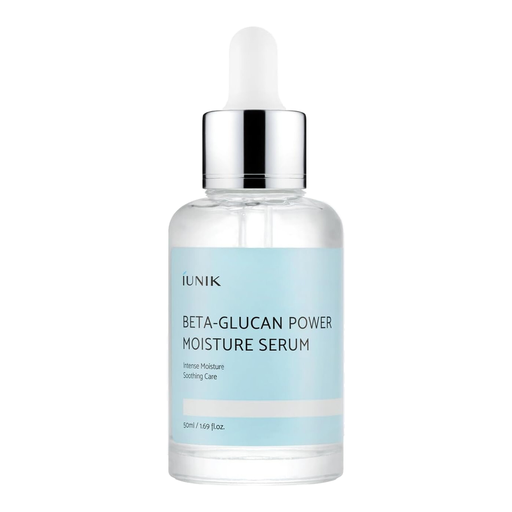
Why This Fits Their Persona: A practical choice for anyone starting with a single K-beauty serum and looking to provide comfortable care for dry skin.
The product information specifies a formula with beta-glucan and a 50 ml size. This makes it easy to compare the quantity and price per millilitre, rather than paying for a small bottle with an abundance of active-ingredient claims.
50 ml size; designed as a hydrating serum; apply after cleansing or toner.
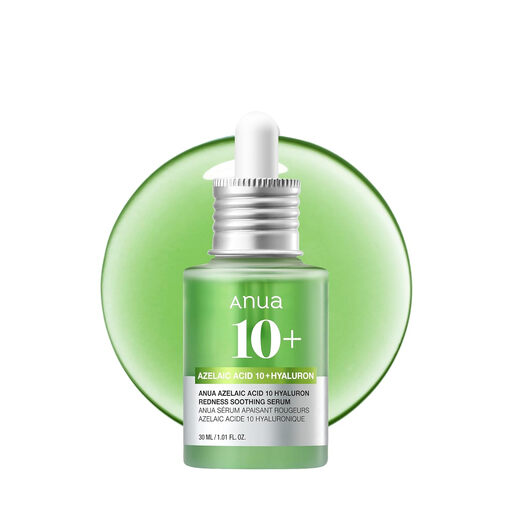
Why This Fits Their Persona: Well suited to users who want to address an uneven-looking complexion or visible redness alongside hydration.
The instructions recommend starting with one or two applications per week. This helps prevent applying an active serum too frequently from the outset.
10% azelaic acid according to the product name; contains panthenol, ceramide NP and sodium hyaluronate; 30 ml size.
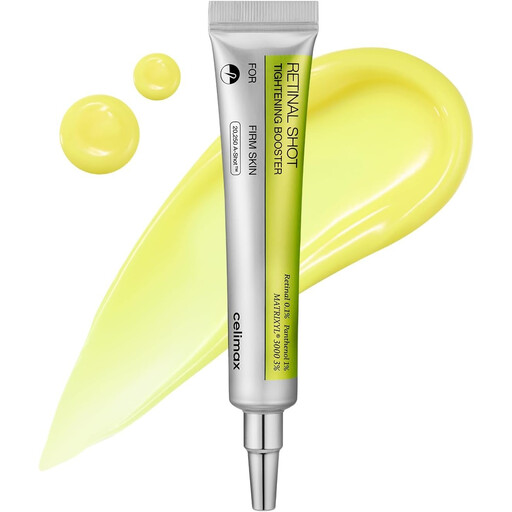
Why This Fits Their Persona: A targeted option for those already familiar with retinoids and looking to build an evening routine.
The packaging states 0.1% retinal and recommends starting every other evening. The small size and dosage warning make it clear that this is not a generous, everyday serum.
0.1% retinal and 15 ml size according to the product information; for evening use only; sunscreen the following morning is recommended.
We have put together a current selection of products suited to different skincare goals and the stated EU safety information.
Apply a serum after cleansing and, if desired, after toner, but before your moisturiser. Use a small amount and gently pat it into the skin. A hydrating serum with hyaluronic acid or beta-glucan can often be used morning and evening, provided the packaging allows it.
Do not immediately combine several potent active ingredients. For example, do not use a retinol serum, retinal serum, exfoliating acid and strong vitamin C serum on the same evening if your skin is not accustomed to them. During the day, sunscreen is essential in a routine containing retinoids and in routines using multiple products aimed at evening the complexion.
Look for a short, fragrance-free formula with hydrating or soothing ingredients such as panthenol, beta-glucan, ceramides or hyaluronic acid. Test a small amount first. “Suitable for sensitive skin” is a product claim; your own skin’s response remains the deciding factor.
This can work in some routines, but it is best to introduce them separately. That way, you can see how your skin responds. Check the product instructions and use sunscreen during the day. A formula such as the Dr. Althea Vitamin C Boosting Serum contains, according to the ingredient list, niacinamide, vitamin C derivatives and hyaluronic acid, among other ingredients.
Follow the expiry date and the period-after-opening symbol on the packaging. Close the bottle immediately after use and store it according to the stated instructions. If the smell, colour or texture changes, replacing the product is advisable, even if the expiry date has not yet passed.
