
Vandaag of morgen in huis

Kwaliteit gegarandeerd

Welkomstaanbiedingen ontgrendelen: GRATIS bezorging | Tot 80% korting | Gratis 30 dagen JoyPlus-proefperiode
Download de app
A Korean facial serum can be a targeted addition to your skincare routine, but the wide range of options can make choosing difficult. One formula focuses on hydration, while another targets a dull complexion, visible pores or blemishes. A high concentration or eye-catching packaging alone says little about whether a product is right for your skin.
Pay particular attention to the ingredients list, directions for use and warnings. This can help you avoid buying several active serums at once or using a product that is unsuitable for sensitive skin.
A serum containing lots of botanical extracts, peptides and acids may look appealing, but more ingredients also mean more potential causes of irritation. Start by considering the main purpose:
According to brands’ own product information, these ingredients may help support certain visible skin concerns. This does not guarantee the same results for every user.
A blemish serum, a serum for dark spots or an anti-ageing serum may feel more powerful than a simple hydrating facial serum. When using active ingredients, start with a small amount and low frequency. Azelaic acid, retinol, retinal and formulas containing exfoliating ingredients all require particular attention to the directions for use.
Do not apply several new products at the same time straight away. If redness, itching, a burning sensation or swelling occurs, stop using the product. Always check the current packaging too, as ingredients may change.
A brand may describe a serum as gentle, vegan, fragrance-free or suitable for sensitive skin. Even so, check the full INCI list. For example, according to the product description, the MEDICUBE PDRN Pink Peptide Serum contains fragrance. This may be relevant if you prefer to avoid fragrance.
Patch testing on a small area of skin is a sensible precaution. Do not use the product on damaged skin and avoid contact with the eyes.
The concentration can help you compare products more fairly, but it does not tell you everything about tolerability. Examples from the range include:
A percentage is only meaningful when considered alongside the rest of the formula, your skin type and the recommended frequency of use.
A lightweight essence or watery serum often works well underneath a moisturiser and sunscreen. A gel serum can feel comfortable on oily or combination skin. A richer formula may be better suited to dry skin, but may feel less comfortable if your skin becomes shiny quickly.
Pay attention to the size:
Apply most serums after cleansing and, if desired, toner, followed by a moisturiser. During the day, sunscreen should be the final step.
Check the expiry date, batch information and period after opening on the packaging. Store serum in a cool, dry place away from direct sunlight, with the cap tightly closed. Protection from light is particularly important for vitamin C, retinol and retinal products.
Preferably use retinol or retinal products in the evening. According to product information from brands including SKIN1004 and celimax, these ingredients may increase sensitivity to sunlight. During pregnancy or breastfeeding, only use a retinol product after consulting a healthcare professional.
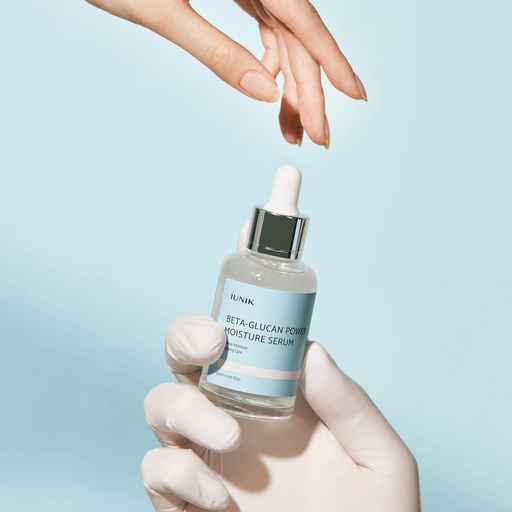
Why it suits this profile: A simple starting point for anyone who wants to add hydration without immediately combining several active ingredients. The size is 50 ml.
The directions are straightforward: apply after cleansing or toner and gently pat into the skin. Stop using it if irritation occurs and check for allergies beforehand.
Focused on hydration; 50 ml size; from South Korea according to the product information.
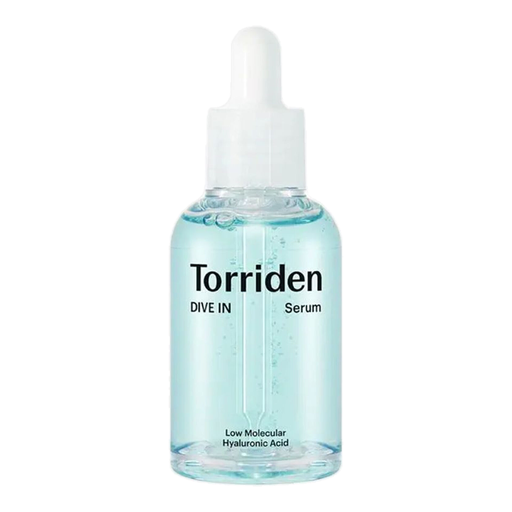
Why it suits this profile: For anyone looking for a fragrance-free, vegan formula containing several types of hyaluronic acid. The brand description also mentions panthenol, ceramide NP and beta-glucan.
The product information clearly states the texture and advises using it after cleansing and toner. This allows you to plan where it fits into your routine in advance.
50 ml size; fragrance-free according to the product description; five types of hyaluronic acid according to the brand description.
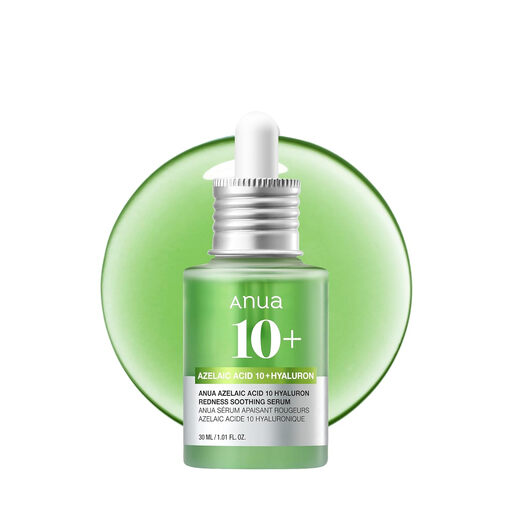
Why it suits this profile: For users specifically looking for an azelaic acid serum with hydrating ingredients such as panthenol, beta-glucan and hyaluronic acid.
The directions advise starting with 1–2 drops once or twice a week. This supports a gradual introduction.
10% azelaic acid according to the product name; 30 ml size; contains hyaluronic acid, ceramide NP and centella according to the ingredients list.
We have put together a complete, up-to-date list of products that fully meet these strict selection criteria and the applicable European safety regulations.
Choose a hydrating facial serum containing ingredients such as hyaluronic acid, glycerine, beta-glucan, panthenol or ceramides. A serum does not usually replace a moisturiser: apply a cream afterwards to help support the skin’s hydrated feel.
That depends on the exact formulas and your skin’s tolerance. The Ordinary’s product information advises using its niacinamide formula alternately with certain vitamin C products. Always check the label and avoid introducing several active products at the same time.
Check the expiry date and period after opening on the packaging, often indicated by, for example, 12M. Store the serum according to the instructions. A change in smell, colour or texture may be a reason to stop using the product. Careful storage is particularly important for retinol serum or vitamin C serum.
