
Vandaag of morgen in huis

Kwaliteit gegarandeerd

Welkomstaanbiedingen ontgrendelen: GRATIS bezorging | Tot 80% korting | Gratis 30 dagen JoyPlus-proefperiode
Download de app
A Korean facial serum can be a useful addition to your routine, but choosing the right one is not always straightforward. There are formulas for hydration, dull complexions, pigmentation, fine lines, a delicate skin barrier and uneven skin texture. The packaging often makes big promises, while the formulation and usage advice determine whether a product is right for you.
The three most common buying pitfalls:
A hydrating serum often contains humectants such as glycerine, panthenol and hyaluronic acid. These help attract moisture and are generally suitable for dry, normal or dehydrated skin. A serum for dry skin usually feels more comfortable when you apply a cream over it.
For a dull complexion or visible pigmentation, you can look for niacinamide, alpha-arbutin, tranexamic acid or vitamin C derivatives. A serum for pigmentation is not a substitute for sun protection: use a sunscreen with a suitable SPF during the day.
For fine lines and less smooth texture, retinol, retinal, bakuchiol and peptides are often used. According to brands’ own research, these ingredients may contribute to a smoother or firmer-looking appearance, but the effects vary from one skin type to another and depend on how long the product is used. Treat this as cosmetic product information, not a medical promise.
Read the full ingredients list, especially when looking for a serum for sensitive skin. Look out for fragrance, alcohol denat., essential oils and any ingredients you have reacted to in the past. “Vegan”, “alcohol-free” or “dermatologically tested” are product specifications, but they do not automatically mean that a formula is suitable for everyone.
Retinol and retinal require extra care. Start with a small amount and use the product in the evening. Build up the frequency gradually. Some retinoid products advise against use during pregnancy or breastfeeding unless otherwise recommended by a healthcare professional. Always follow the label and the warnings on the packaging.
A 150 ml bottle may seem attractively priced, but a concentrated serum of 15 or 30 ml may be more economical when you only need a few drops. A pump bottle limits direct contact with the contents; with a dropper, it is important to use the product hygienically.
Vitamin C formulas can be sensitive to light, heat and air. With COSRX Vitamin C23, for example, it is recommended that you store the product in a cool place and use it within the stated period after opening. Check the expiry date and the period after opening on the packaging. Stop using the product if you experience persistent redness, itching, swelling or a burning sensation.
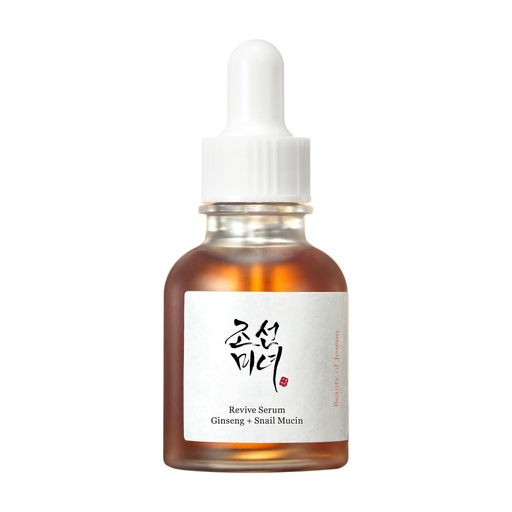
Why it suits this profile: The gel texture and combination of ginseng, glycerine, niacinamide and hyaluronic acid are suitable for a simple routine for dry, normal or combination skin.
The product information states 30 ml, a pump bottle and a clear ingredients list. This makes it easier to assess the quantity and how to use it than with a formula that relies only on vague glow claims.
30 ml, gel texture, pump packaging and ingredients such as glycerine, niacinamide and several forms of hyaluronic acid.
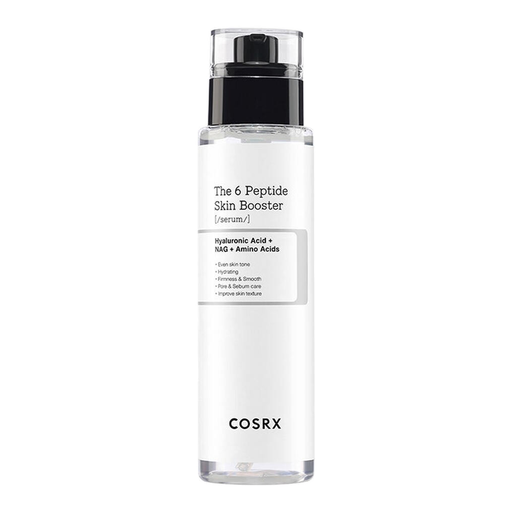
Why it suits this profile: The generous quantity is practical if you want to use a serum regularly as a set step after toner.
The formula lists six types of peptides and niacinamide. You therefore know which product properties the manufacturer highlights, without relying solely on a general anti-ageing claim.
150 ml, six named peptide ingredients, glycerine and sodium hyaluronate; suitable for use in the morning and evening according to the product information.
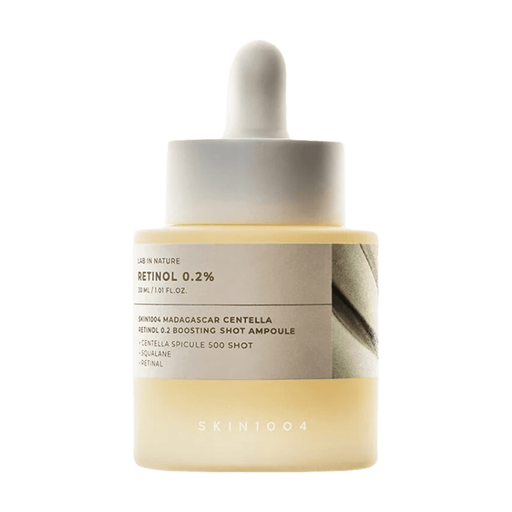
Why it suits this profile: This is a small, targeted option for users who specifically want to add retinol and retinal to their evening routine.
The instructions recommend building up to using it two to three times a week. This helps prevent you from using a retinol serum every day straight away.
9 ml, retinol and retinal in the ingredients list, plus centella, panthenol and sodium hyaluronate. Use only as directed on the label.

Why it suits this profile: The watery texture, vitamin C, niacinamide and allantoin are a good match for anyone looking for a lightweight formula without fragrance or colourants.
The product description explicitly states that it is a vegan formula without fragrance or colourants. If you have allergies, always check the current packaging.
30 ml, lightweight texture, vitamin C, niacinamide, allantoin and a formula without fragrance or colourants according to the product information.
We have put together a complete, up-to-date list of products that fully meet these strict selection criteria and the applicable European safety regulations.
Apply a serum after cleansing and, if desired, after toner. Usually use one to three drops or one to two pumps, depending on the label. Follow with a moisturiser. During the day, sun protection should be the final step, especially when using a vitamin C serum, retinol serum or retinal.
If you have sensitive skin, introduce one new product at a time. First test a small amount on a limited area of skin and wait to see how your skin reacts. Do not immediately combine several potent active ingredients. A hyaluronic acid serum or simple hydrating serum is often an easy starting point; a product containing retinoids requires a slower build-up.
That depends on the formula. According to the label, a hydrating serum with glycerine or hyaluronic acid can often be used daily. Start by using active ingredients such as retinol, retinal or a high-strength vitamin C serum less frequently, and only increase use if your skin tolerates it well.
Check the expiry date and the period after opening on the packaging. Store the product in a cool, dry place away from direct sunlight. Vitamin C formulas can be particularly sensitive to air and light, so follow the manufacturer’s specific storage advice.
Look for a short, easy-to-understand ingredients list and hydrating ingredients such as glycerine, panthenol, ceramides and hyaluronic acid. Avoid introducing new potent active ingredients to irritated skin and always carry out a patch test first.
