
Vandaag of morgen in huis

Kwaliteit gegarandeerd

Welkomstaanbiedingen ontgrendelen: GRATIS bezorging | Tot 80% korting | Gratis 30 dagen JoyPlus-proefperiode
Download de app
A Korean facial serum can be a targeted addition to your skincare routine. However, not every Korean skincare serum is suitable for every skin type. A lightweight gel may feel comfortable on oily skin, while dry or sensitive skin may benefit more from hydrating ingredients and a simple formula.
The biggest mistake is often not choosing a serum that promises too little, but buying one based on a striking claim without checking the ingredients, concentration or instructions for use.
A niacinamide serum, vitamin C serum or serum with azelaic acid is often advertised with a percentage on the front of the packaging. However, a higher concentration may also increase the chance of tightness, dryness or irritation. So check the full formula and the recommended usage schedule.
For example, ANUA’s serum with 10% azelaic acid recommends starting with 1–2 drops, once or twice a week. That’s a practical indication that you don’t need to apply a large amount every day straight away.
Words such as “glow”, “firming”, “anti-ageing” and “dark spot correction” often describe what a product aims to do, but they don’t predict the same results for every user. According to the brands’ product descriptions, certain ingredients may help skin look hydrated, more even or smoother. These aren’t medical claims, and there’s no guarantee that pigmentation, acne or redness will disappear.
Above all, check that the product suits your needs:
Active ingredients sometimes need extra care. A vitamin C serum with a high concentration may be sensitive to light and temperature. For example, Vitamin C23 recommends cool storage and use within two months of opening. Other serums may state a longer period after opening on the packaging.
Always check the expiry date, batch code, PAO symbol and official ingredients list on the packaging. Product information can change, so if in doubt, the packaging is the most up-to-date source.
Start by choosing a serum to suit your skin’s needs, then check the formula. A hydrating serum, for example, may contain glycerine, panthenol, sodium hyaluronate or beta-glucan. If you have sensitive skin, also look out for fragrance, alcohol and several potent active ingredients in one routine.
It’s best to introduce a formula containing azelaic acid, vitamin C, retinoids or salicylic acid gradually. During the day, use a broad-spectrum sunscreen if the product information recommends it or if you’re using active ingredients.
A gel or watery texture usually feels light and often suits combination or oily skin. A richer serum with several hydrating or soothing ingredients may be a better choice for dry skin.
Pay attention to the packaging too:
Cosmetics sold on the European market should include details such as an ingredients list, the responsible person, volume and safety information. Check that these details are available on the product page and packaging. “Dermatologically tested”, “vegan” or “hypoallergenic” doesn’t mean every skin type will tolerate the product without a problem. A patch test is still sensible, especially with a serum for sensitive skin.
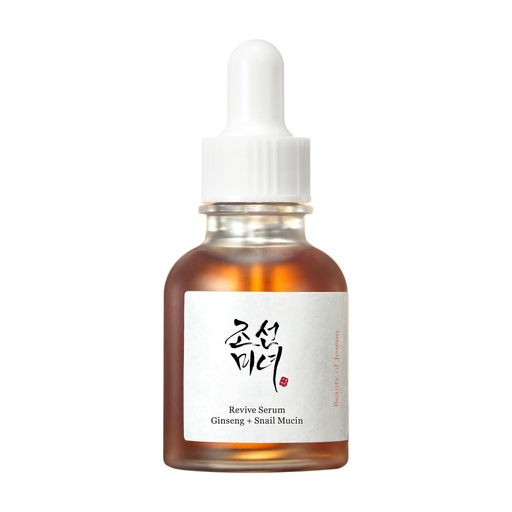
Why it suits this profile: Its gel texture and combination of 3% snail mucin filtrate, ginseng root water, glycerine and hyaluronic acid make it a good option if you’re looking for your first serum to hydrate your skin and leave it feeling comfortable.
The product information lists specific ingredients and clearly states the dose: 1–2 pumps. That means you don’t have to rely on a vague glow claim.
30 ml, pump bottle, gel texture and, according to the product specifications, an alcohol-free and fragrance-free formula.
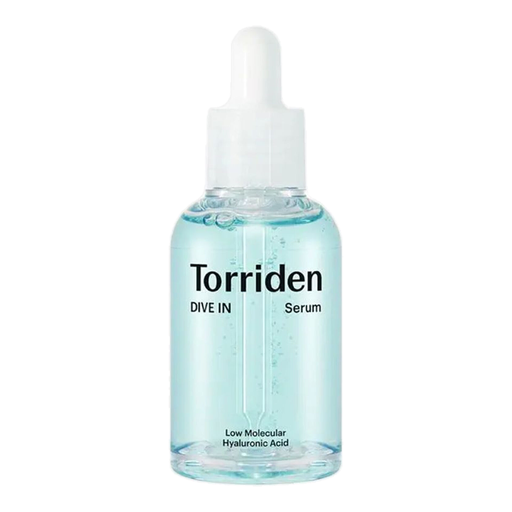
Why it suits this profile: The specifications list five types of hyaluronic acid, panthenol, ceramide NP and beta-glucan. That makes it a good choice if you’re looking for a comprehensive hydrating formula.
The choice is based on the listed ingredients and 50 ml volume, not just terms such as “intense hydration” or “plumping”.
50 ml, a fragrance-free formula according to the product information, and suitable for use in the morning and evening.
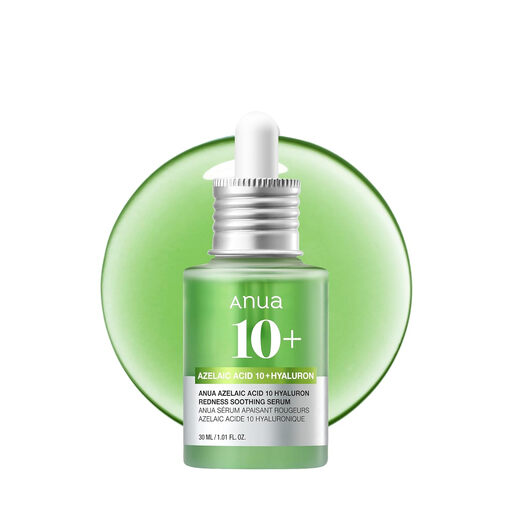
Why it suits this profile: This serum is aimed at people specifically looking for azelaic acid, hydration and care for skin with visible redness or blemishes.
The instructions recommend introducing it gradually and doing a patch test. They also warn about dryness and pilling, and advise against using it without daily sun protection.
10% azelaic acid, panthenol, allantoin, centella asiatica, sodium hyaluronate and ceramide NP in a 30 ml formula.
We’ve put together a complete, up-to-date list of products that meet these strict selection criteria and the applicable European safety requirements.
Don’t combine several potent active ingredients straight away. A simple routine makes it easier to work out which products suit your skin.
According to the product information, a hydrating serum can often be used in the morning and evening. With vitamin C, azelaic acid, retinal or salicylic acid, it’s best to follow the instructions and introduce the product gradually. Stop using it if irritation persists, and seek medical advice if your symptoms don’t go away.
It depends on the volume and how much you use. A 30 ml bottle will last longer if you use one or two drops than if you apply it generously. After opening, follow the PAO symbol and any specific instructions. Store the serum somewhere cool and dry, away from direct sunlight.
Look for a simple, fragrance-free formula and start by using it less often. For hydration, look for glycerine, panthenol, hyaluronic acid or beta-glucan. If you’re using azelaic acid or exfoliating ingredients, patch testing and daily sun protection are important. A serum isn’t a substitute for treatment from a doctor or dermatologist if you have persistent skin problems.
