
Vandaag of morgen in huis

Kwaliteit gegarandeerd

Welkomstaanbiedingen ontgrendelen: GRATIS bezorging | Tot 80% korting | Gratis 30 dagen JoyPlus-proefperiode
Download de app
Korean facial cleansing is about more than having fresh-feeling skin after washing. The right combination of products can remove make-up, sunscreen, sebum and everyday dirt without making your routine unnecessarily complicated. Yet many shoppers choose a product based on a bold claim, familiar packaging or a popular ingredient name. This can leave you with a cleanser that makes your skin feel tight, doesn’t cleanse effectively or soon gets left unused in the bathroom.
A product described as suitable for all skin types may feel different in practice on dry, sensitive or oily skin. So pay attention to its texture, fragrance, oils and active ingredients. A cleansing oil or cleansing balm is particularly practical for removing make-up and sunscreen. A gel or foaming cleanser is often a better fit for the second cleansing step.
A tight or squeaky feeling after washing is sometimes seen as proof that pores have been thoroughly cleansed. It could also mean that too much of your skin’s natural oil has been removed. If you have sensitive or dry skin, it’s better to choose a gentle facial cleanser and wash with lukewarm water. Hot water and prolonged massaging can make your skin feel less comfortable.
Terms such as “deep cleansing”, “glow” or “pore care” are no substitute for checking verifiable information. Look at the product contents, directions for use, ingredients list, expiry date and warnings. According to some brands’ own product information, for example, products are dermatologically tested, vegan or non-comedogenic. Treat these as product features stated in the description, not as a guarantee that the product will suit every skin type or user.
With double cleansing, first apply an oil or balm texture to dry skin. This step can loosen make-up, sunscreen and oily residue. Follow with a water-based cleanser, such as a low pH cleanser or gel cleanser, to wash away any remaining dirt and sweat.
A cleansing oil usually emulsifies when you add water, turning into a milky liquid that you can rinse off. A cleansing balm melts with your body heat and works in a similar way. Micellar water is handy for a quick make-up removal step, but follow the instructions on the label: some formulas are designed to be rinsed off, while others aren’t.
A low pH cleanser has an acidity level that, according to the product description, is closer to the skin’s natural environment. That doesn’t automatically mean that every product is suitable for sensitive skin. Also check whether it contains fragrance, essential oils or exfoliating ingredients.
For sensitive skin, simple formulas with gentle cleansing agents are often a sensible place to start. If you’re looking for a cleanser for oily skin, you could look for a lightweight gel texture and ingredients such as salicylic acid. Salicylic acid may help some people with oily skin, but it isn’t a medical treatment. Use the product as directed on the packaging and stop if irritation occurs.
A large pack may seem like good value, but only if you use the product regularly. For holidays, trying a product for the first time or a short trial period, a size of 25 to 50 ml may be more practical. Check the shelf life after opening, batch information and storage advice on the packaging. Store cleansers in a cool, dry place away from direct sunlight, and make sure the packaging is properly closed.
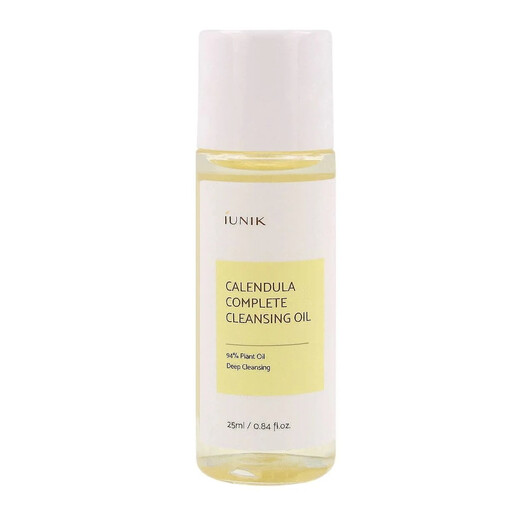
Why it suits this profile: The compact size is ideal if you’re trying a Korean cleansing oil for the first time or want to take a product with you when you travel. According to the product information, apply the oil to dry skin and emulsify it with water.
You don’t have to buy a large pack straight away, before you know whether an oil-based texture suits your routine.
25 ml; suitable for the first cleansing step; clear emulsifying instructions.
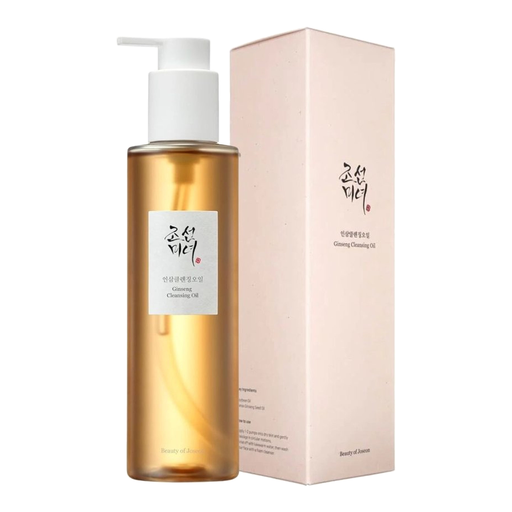
Why it suits this profile: The pump bottle and 210 ml size make it a good choice for everyday use. The product information lists ingredients including soybean oil and ginseng seed oil, and describes how to use it on dry skin.
The ingredients list and directions for use are available, so you can check for fragrance, oils and potential sensitivities beforehand.
210 ml; pump bottle; oil-based formula for make-up and sebum.
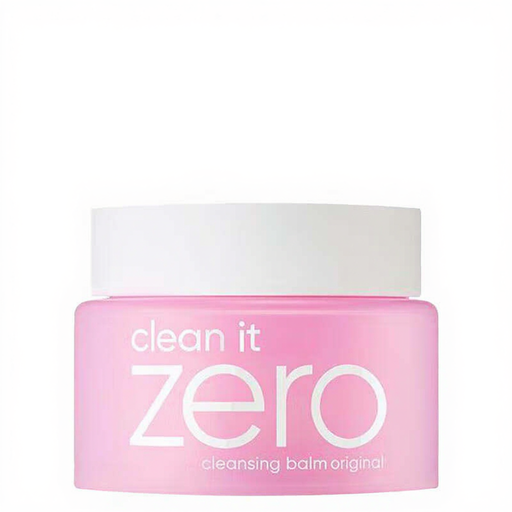
Why it suits this profile: A balm is handy if you wear a lot of make-up or use waterproof products every day. According to the directions, scoop out the balm, massage it into dry skin and then add water.
The solid texture helps prevent spills and makes it easy to control how much you use. There’s no need to rub harder if make-up doesn’t come off easily.
100 ml; melt-away balm texture; designed for make-up and impurities.
We’ve put together a complete, up-to-date list of products that meet these strict selection criteria and current European safety regulations.
Start with a cleansing oil or cleansing balm on dry skin. Gently massage it over your face, add water and emulsify. Rinse with lukewarm water. Then use a gentle water-based cleanser, such as a gel cleanser. If you’re not wearing make-up or sunscreen, one suitable cleansing step is often enough.
Look for a short ingredients list and check for fragrance, essential oils and exfoliating ingredients. A low pH cleanser may feel comfortable, but test a new product on a small area of skin first. Stop using it if you experience redness, stinging, itching or swelling, and follow the safety information on the packaging.
It depends on the size of the product and how often you use it. A 150 to 200 ml bottle will generally last longer with daily use than a travel size, but the exact amount you use will vary. Always check the expiry date, batch number and open-jar symbol on the packaging.
