
Livraison le jour même et le lendemain

Qualité garantie

Débloquez vos offres de bienvenue: Livraison GRATUITE | Jusqu'à -80 % | 30 jours d'essai gratuits à JoyPlus
Téléchargez l'application
A good facial cleanser removes dirt, sebum, make-up residue and sun cream without leaving your skin feeling tight after washing. Korean skincare offers plenty of choice, from low-pH cleansers and cleansing foams to pore cleansers containing acids or clay.
However, eye-catching packaging or a long ingredients list does not guarantee a suitable purchase. Pay particular attention to the formula, intended use and your skin type.
A product that lathers heavily or leaves your skin feeling tight may seem especially thorough. However, that sensation does not automatically mean your skin has been cleansed more effectively. An overly stripping facial cleanser can feel uncomfortable, particularly on dry or sensitive skin.
Therefore, check the recommended use and the ingredients. A cleanser for all skin types is convenient, but it is not always the most suitable choice if you have excess sebum, blocked pores or skin that becomes irritated easily.
A salicylic acid cleanser or pore cleanser may be worth considering for oily, combination or blemish-prone skin. However, results vary from person to person. According to the brand’s product description, the Salicylic Acid Daily Gentle Cleanser contains 0.5% salicylic acid and is intended for combination, oily and blemish-prone skin. This is product information, not a guarantee of a particular result.
Care is also needed with AHA or BHA products. SOME BY MI states that the product may increase sensitivity to sunlight. Use sun protection during the day and follow the warnings on the packaging.
A rich fragrance can be pleasant, but fragrances and essential oils are not suitable for everyone. The ingredients list for, for example, Shiseido Senka includes fragrance and alcohol. The Salicylic Acid Cleanser contains, among other ingredients, tea tree oil and lemon peel oil. If you have sensitive skin, it is sensible to check the ingredients in advance and test a small amount first.
Choose your cleanser according to your daily needs:
A low-pH cleanser is formulated with an acidity level closer to the skin’s natural acid mantle. However, check that the pH is actually stated on the product page or packaging; “gentle” is not a technical measurement.
Texture also matters. A gel cleanser often lathers lightly, while a foam cleanser creates a richer cleansing foam. A mousse or ready-to-use bubble cleanser can be convenient if you do not want to work up the lather yourself first. Take a look at our selection of gentle mousse cleansers.
Do not compare just the price, but also the amount: for example, the selected products range from 120 g to 200 ml. Also check:
A product description may mention hydration, soothing properties or fresher-looking skin. Treat this as information from the brand or seller, rather than a guaranteed effect.
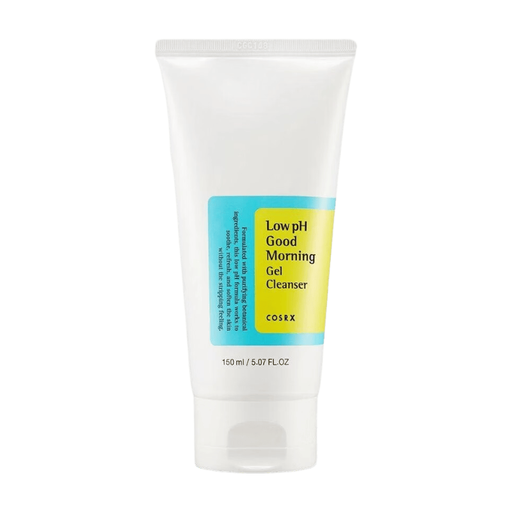
Why it suits this profile: The gel texture and stated low-pH formula make this a straightforward choice for anyone starting out with Korean skincare and looking for a cleanser for daily use.
The product information does not mention a complicated usage routine. However, the formula contains tea tree oil and betaine salicylate, among other ingredients, so check the full ingredients list first if you have sensitive skin.
150 ml; gel texture; according to the product description, suitable for morning and evening use and aimed at excess sebum.
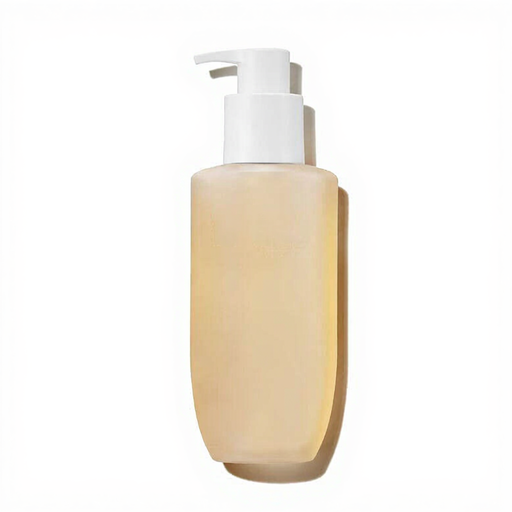
Why it suits this profile: The pump dispenser and 200 ml size are ideal for anyone who values a polished routine with a ready-to-use foam texture.
The directions state that two pumps should be mixed with water. The ingredients list contains fragrance and limonene, so check this beforehand if you prefer to avoid perfume.
200 ml; pump foam; according to the product description, suitable for all skin types and suitable for use with a cleansing oil in the evening.

Why it suits this profile: This option is aimed at users specifically concerned with excess sebum and blocked pores who are considering a salicylic acid cleanser.
The product information states a concentration of 0.5% salicylic acid. Carry out a patch test, avoid the eyes and mouth, and stop using it if redness or irritation occurs.
150 ml; 0.5% salicylic acid according to the product description; recommended for combination, oily and blemish-prone skin.
We have put together a complete, up-to-date list of products that fully meet these strict selection criteria and the applicable European safety regulations.
If you wear make-up or waterproof sun cream, double cleansing in the evening may be more practical. A cleanser is intended for external use; avoid contact with the eyes and always follow the label.
Start by looking for a short, clear ingredients list and avoid any ingredients you have reacted to in the past. A hydrating facial cleanser or gentle mousse may feel more comfortable than a product containing acids, perfume or several essential oils. Test a new product on a small area of skin.
That depends on the formula and how your skin reacts. According to the product information, the Salicylic Acid Daily Gentle Cleanser is offered for daily use, but it contains 0.5% salicylic acid. Start cautiously, follow the warnings and stop using it if irritation occurs.
How long it lasts depends on the size, the amount used and how often you wash. A 150 ml bottle will generally last longer when you use a small amount per wash than when you use it generously. Check the expiry information and batch number on the packaging.
