
Vandaag of morgen in huis

Kwaliteit gegarandeerd

Welkomstaanbiedingen ontgrendelen: GRATIS bezorging | Tot 80% korting | Gratis 30 dagen JoyPlus-proefperiode
Download de app
Choosing a Korean facial cleanser may seem straightforward, until you have to compare cleansing oils, foams, balms and exfoliating formulas. A product may promise smoother pores, balanced sebum or softer skin, but that does not automatically mean it will suit your routine.
The most common buying mistakes come from three pitfalls:
Your goal determines which Korean cleanser makes sense:
For dry skin, an oil-based first step can feel pleasant. If you have sensitive skin, it is sensible to look out for fragrance, essential oils and exfoliating acids. Oily or combination skin may benefit from a lightweight oil or foaming cleanser, but “deep cleansing” does not mean that a product should leave your skin feeling harsh.
According to the product information, the Beauty of Joseon Ginseng Cleansing Oil contains ingredients including soybean oil, olive oil, sunflower oil and ginseng seed oil. The manufacturer describes the formula as suitable for all skin types, with particular attention to dry skin. The stated benefits relating to collagen and skin rejuvenation should be viewed as a brand claim from the product description, not as an established effect.
Also consider whether you want a fragranced or fragrance-free product. The Medicube Zero Foam Cleanser lists fragrance among its ingredients. According to the product information, the Torriden Dive In Low Molecular Hyaluronic Acid Cleansing Foam contains ingredients including glycerine, panthenol, allantoin and several forms of hyaluronic acid, but an ingredients list alone cannot predict individual tolerance.
A larger size is not automatically better value if you do not enjoy using the product or use it too infrequently. Pay attention to:
For cosmetics sold on the European market, correct labelling, ingredient information and details of the responsible party are important. For parallel-imported products, also check the packaging, language and instructions for use. Product variants may differ between markets.
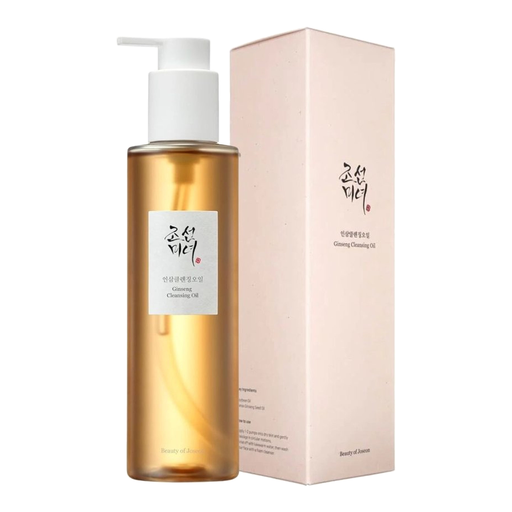
Why it suits this profile: If you wear a lot of make-up or sun cream, this gives you a generous first cleansing step with a pump bottle and an oil-based texture.
The instructions state that it should be used on dry skin and rinsed off with lukewarm water. This makes it clear that it is an oil cleanser, not a foaming cleanser.
210 ml capacity; ingredients list includes soybean oil, ginseng seed oil and vitamin E.
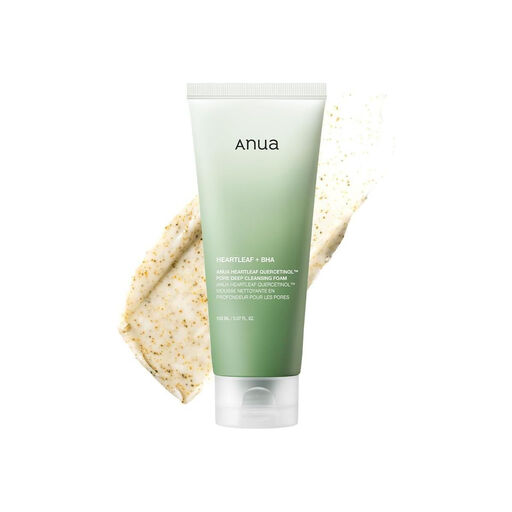
Why it suits this profile: This foaming formula is intended for users who want to add a water-based step to their double cleansing routine after using an oil cleanser.
The product information lists a fragrance component. It is therefore important to check the ingredients if you are sensitive to fragrances.
150 ml capacity; the ingredients list includes salicylic acid, panthenol and several forms of hyaluronic acid.
We have put together a complete, up-to-date list of products that fully meet these strict selection criteria and the applicable European safety requirements.
With double cleansing, you first use a cleansing oil or cleansing balm to loosen make-up, sun cream and sebum. This is followed by a cleansing foam or another water-based facial cleanser. This method can be practical in the evening, especially when you wear several layers of skincare or make-up.
Dry skin does not automatically need to be double-cleansed twice a day. Consider what you have actually been wearing and how your skin feels after washing. For example, you can alternate a cleansing oil with a gentler cleanser on days when you are not wearing make-up.
Take care with exfoliating products. The Beauty of Joseon Apricot Blossom Peeling Gel states that it should be used once or twice a week. Products containing AHA, BHA or PHA may increase sensitivity to sunlight; follow the label and use sun protection during the day. Some of the Some By Mi products containing AHA, BHA and PHA are body cleansers. Do not use these on the face unless the packaging explicitly permits it.
That depends on the complete formula and your personal tolerance. Ideally, choose a product with clear ingredient information, look out for fragrance and acids, and test a new cleanser on a small area of skin first. Stop using it if irritation occurs.
A mild cleanser is usually used once or twice a day according to the label. A peeling gel or exfoliating facial cleanser often has a lower recommended frequency. Always follow the product instructions rather than relying solely on the marketing name.
Both are oil-based first cleansing steps. A cleansing balm starts as a solid balm and turns into an oily texture when massaged into the skin. A cleansing oil is liquid from the outset. The main differences are texture, dispensing and personal preference; both can form part of a double cleansing routine.
